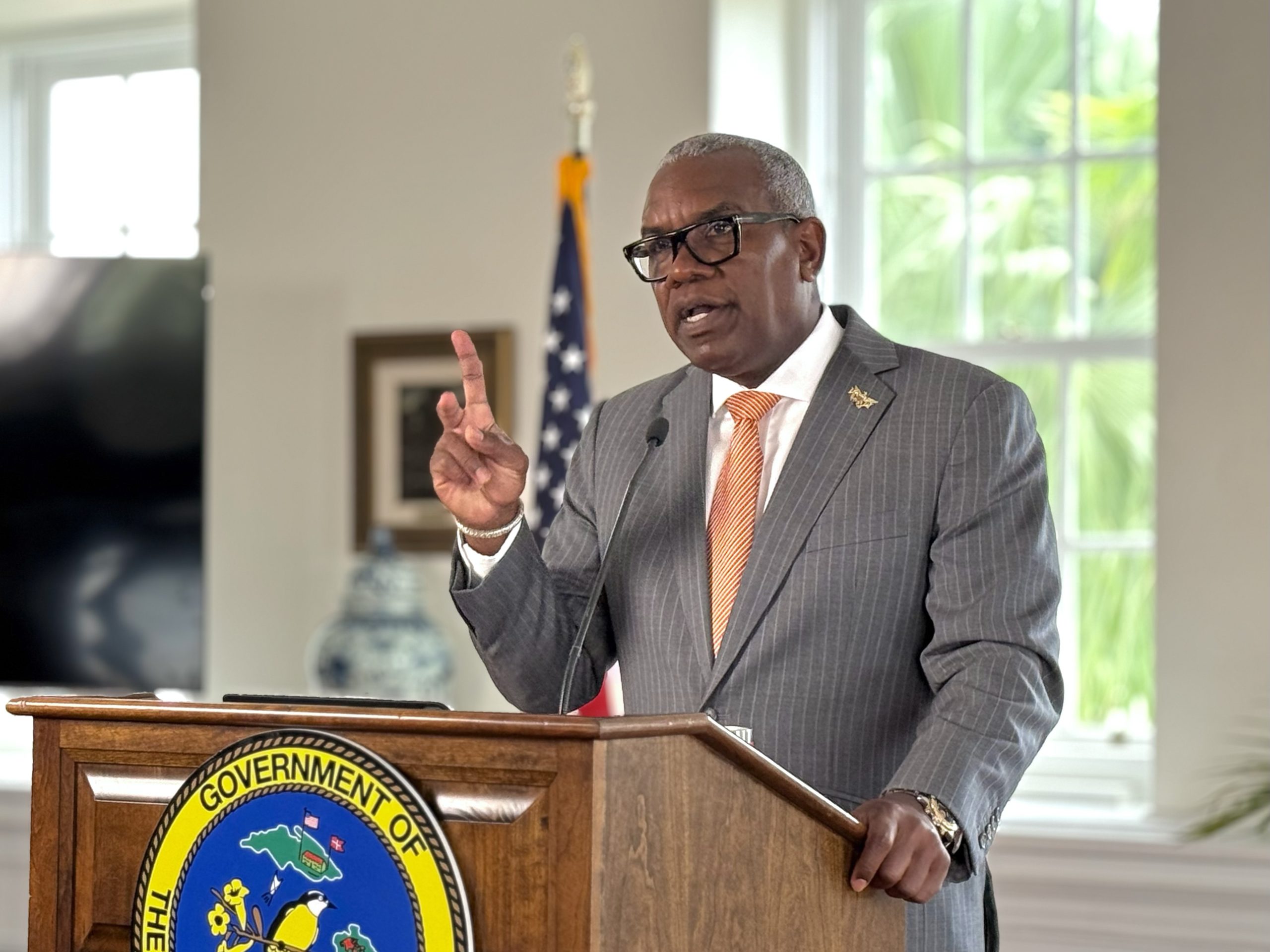
Governor Bryan Criticizes Legislature for Delaying USVI Horse Racing Agreement
Governor Albert Bryan Jr. expressed sharp disappointment following the 36th Legislature’s decision to delay action on a revised horse racing agreement during a July 21, 2026, special session. The move effectively stalls the reconstruction of St. Croix’s Randall “Doc” James Racetrack and leaves the future of territorial horse racing in limbo.
Legislative Stagnation and the Impact on Territory Infrastructure
The impasse centers on a proposed agreement between the Government of the Virgin Islands and Southland Gaming, which aimed to establish a unified racing framework across the territory. According to Governor Bryan, the Senate’s failure to hold a substantive vote represents a missed opportunity to leverage private investment for public infrastructure. The Governor, who convened the special session on July 11, 2026, criticized Senate President Milton Potter for not inviting administration or stakeholder testifiers to the floor, characterizing the lack of discourse as a failure to provide the transparency required for such a significant economic project.
The financial stakes are substantial. Phipps Racetrack on St. Thomas ahead of schedule, has indicated that the current uncertainty is unsustainable. In a July 10 letter to the Governor, the firm reported investing $785,000 in the first 11 races at the St. Thomas facility, excluding purse money. The company estimates that an additional $2.8 million is required to reach a break-even point, a commitment they argue cannot be maintained without a finalized, long-term regulatory path.
Regulatory Concerns and the VLT Policy Debate
While the Governor views the delay as an obstruction to development, members of the Legislature have raised concerns regarding the policy implications of the agreement. Senator Kenneth Gittens of St. Croix has been a vocal critic of the deal’s structure, specifically the inclusion of provisions for Video Lottery Terminals (VLTs). According to Senator Gittens, the introduction of these gaming machines on St. Croix represents a major public policy shift that necessitates more rigorous oversight than the current agreement provides.

The concern among some lawmakers is that the agreement could bind the territory to long-term obligations without sufficient regulatory safeguards. Senator Gittens noted that the potential impact on existing casinos and the broader St. Croix economy requires deliberate, comprehensive review. This tension between the immediate need for infrastructure investment and the long-term implications of gaming regulation remains the primary hurdle for the bill’s advancement.
The Economic Vacuum for Local Stakeholders
The delay has tangible consequences for the horsemen, vendors, and service providers who depend on the resumption of racing. With the Randall “Doc” James Racetrack still in need of significant work, the lack of a formal agreement leaves local contractors and event organizers without a clear timeline.

The uncertainty also impacts the broader sports ecosystem.
The Path Forward for Territorial Sports
Governor Bryan has warned that the Legislature’s reluctance to act could signal a lack of seriousness toward economic development to potential private investors. The sentiment from the administration is that the “games are getting tiring,” with the Governor noting that the refusal to provide an “up or down” vote denies the public a definitive answer on the future of the Sport of Kings in the USVI. As the 2026 season progresses, the window for meaningful action on the Randall “Doc” James Racetrack continues to narrow, leaving stakeholders to navigate a period of fiscal and operational stagnation.
Whether the Legislature eventually moves to reconsider the agreement or allows it to expire in committee remains the central question for the remainder of the legislative term.
Disclaimer: The insights provided in this article are for informational and entertainment purposes only and do not constitute medical advice or sports betting recommendations.