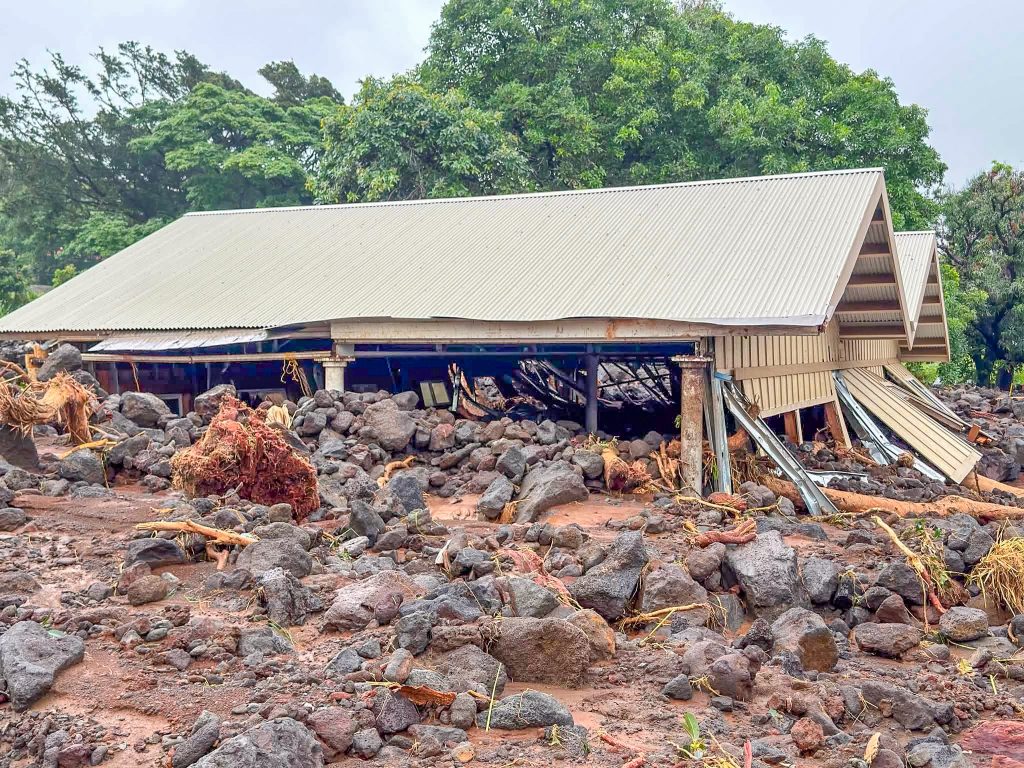
Gov. Josh Green Announces Recovery Efforts Following Hurricane Lala
Hurricane Lala has prompted a comprehensive shutdown of all state offices, public schools, and judiciary facilities across Hawaiʻi as of Monday, Aug. 17, 2026. While the storm did not make landfall, severe wind gusts reaching 91 mph and record-breaking rainfall triggered widespread power outages, impacting over 117,000 customers statewide and necessitating extensive emergency recovery operations.
Infrastructure Resilience and the Cost of Operational Interruption
The operational paralysis caused by Hurricane Lala highlights the fragility of regional utility grids. According to data provided by Aloha State Daily, approximately 117,120 Hawaiian Electric customers were without power as of 11 a.m. Monday, with the heaviest concentration of outages on Oʻahu. The fiscal impact of such widespread downtime extends beyond immediate repair costs; it forces a sudden suspension of revenue-generating activities for private enterprises and halts public sector productivity.
Quantifying the Storm’s Economic Footprint
Meteorological records confirm the intensity of the event. Hilo recorded 6.82 inches of rain, eclipsing a 1969 record of 5.1 inches, while Kahului saw 0.29 inches, surpassing the 1993 record, as reported by Aloha State Daily. This level of precipitation, coupled with wind gusts peaking at 91 mph, has necessitated a massive deployment of utility repair crews from Oʻahu to assist local teams on Hawaiʻi Island.

While essential services including emergency response, hospital operations, and correctional facilities remain active, the broader economic impact is felt through the closure of commercial harbors—which only resumed operations Sunday at 4 p.m.—and the disruption of retail and professional services.
Utility Grid Failures and Long-Term Capital Expenditure
The storm serves as a stark reminder of the volatility inherent in Pacific operations during El Niño cycles.
Recovery Logistics and Public-Private Coordination
Recovery efforts are currently bifurcated between municipal cleanup and private sector restoration. While the City and County of Honolulu have moved into full cleanup mode, with refuse and landfill operations returning to schedule, rural areas like Nāʻālehu remain significantly restricted. Nāʻālehu Elementary School will remain closed through at least Thursday, Aug. 20, due to persistent road access issues.

The reliance on third-party initiatives, such as Starlink’s provision of free internet service through Sept. 17, underscores the importance of private enterprise in bridging the gap during state-declared emergencies.