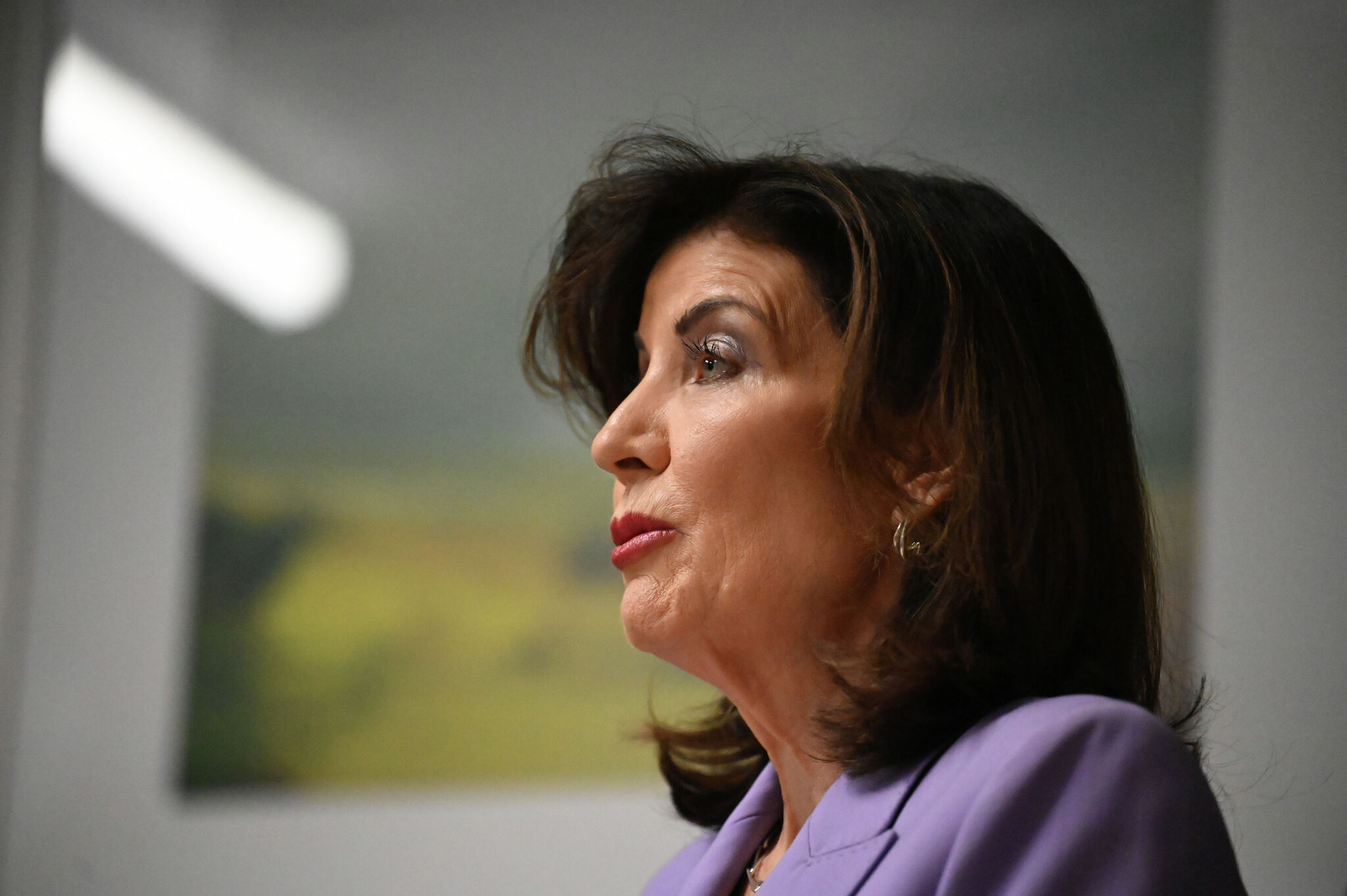
Gov. Hochul Proposes New Formula to Prevent New York Minimum Wage Freeze
New York’s scheduled January minimum wage increase is slated to halt for the first time since 2024 due to private-sector job losses, prompting Gov. Kathy Hochul to propose a more flexible adjustment formula that requires legislative approval next year to bypass the current statutory freeze mechanism.
Economic Shifts Halt New York Wage Increases
New York’s minimum wage will not rise in January, marking the first interruption to annual inflation-linked adjustments since the policy took effect in 2024. According to the Hochul administration, the state recorded a decline in thousands of private-sector jobs throughout the year, hitting sectors like hospitality and private higher education particularly hard. That downward trend triggered a specific section of state law requiring regulators to freeze the minimum wage rather than boosting it at the start of 2027.
The state Department of Labor utilizes a methodology outlined in state law to evaluate employment data from January, April, and July. If the number of jobs recorded in July drops below the counts from both January and April, the state must hold the minimum wage steady for the following January. In January, New York recorded over 10 million jobs, a historic high according to the U.S. Bureau of Labor Statistics and the state Department of Labor. By April, employment dropped to 9.97 million, rebounded slightly in May, and then fell over the subsequent two months to end July at 9.96 million.
The Cost of Living Pressures Facing Workers
While employment metrics triggered the statutory freeze, consumer costs continue to climb across the state. Inflation rose 3.4 percent in the year ending in August, driven in part by a 27 percent national hike in gasoline costs, according to the U.S. Bureau of Labor Statistics. Gov. Kathy Hochul attributed these financial pressures to federal trade tariffs and geopolitical conflicts, citing data from the right-leaning National Taxpayers Union Foundation estimating that tariffs have cost the average New York household $1,856 since January 2025.

State Comptroller Thomas P. DiNapoli released a report in July noting that while New York’s hospitality sector rebounded following the coronavirus pandemic, a decline in international tourism has stunted continued progress. Compounding these pressures, private higher education institutions face enrollment declines. The Association of International Educators recorded a 17 percent drop in new international student enrollment nationwide last fall compared to the prior year, impacting a state that maintains the second-highest number of international students in the country.
Hochul Proposes a Flexible Regulatory Formula
In response to the impending wage freeze, Gov. Kathy Hochul announced plans to pitch a legislative proposal next year that would alter how regulators determine minimum wage freezes. The current framework relies on specific multi-month drop comparisons, but the new proposal would establish a threshold requiring a 0.25 percent decline in the monthly rate of employment leading up to July to trigger a freeze. This proposed metric would use the median rate from three, six, and 12-month periods from July, mirroring employment loss patterns historically observed during economic recessions.
“This change is good for workers and businesses as it will ensure that those hardest hit by Trump’s affordability crisis keep pace with the cost of living, maintain their purchasing power, contribute to the state economy, and support our small business community,” Gov. Kathy Hochul said in a statement provided to the Times Union.
Because the proposed adjustments require legislative approval, employers and workforce advocates are closely monitoring upcoming sessions in the state Legislature, where Democratic majorities have historically supported wage increases.
Timeline of State Wage Adjustments and Triggers
Under current New York statute, the mandatory wage freeze mechanism activates based on strict seasonal employment evaluations. The threshold relies entirely on the comparison between January, April, and July data points compiled by state labor regulators. Because the July employment count fell below both winter and spring benchmarks, the Department of Labor is expected to confirm the wage standstill. The proposed legislative fix aims to prevent similar freezes during localized industry contractions that do not reflect a broader statewide or national recession.