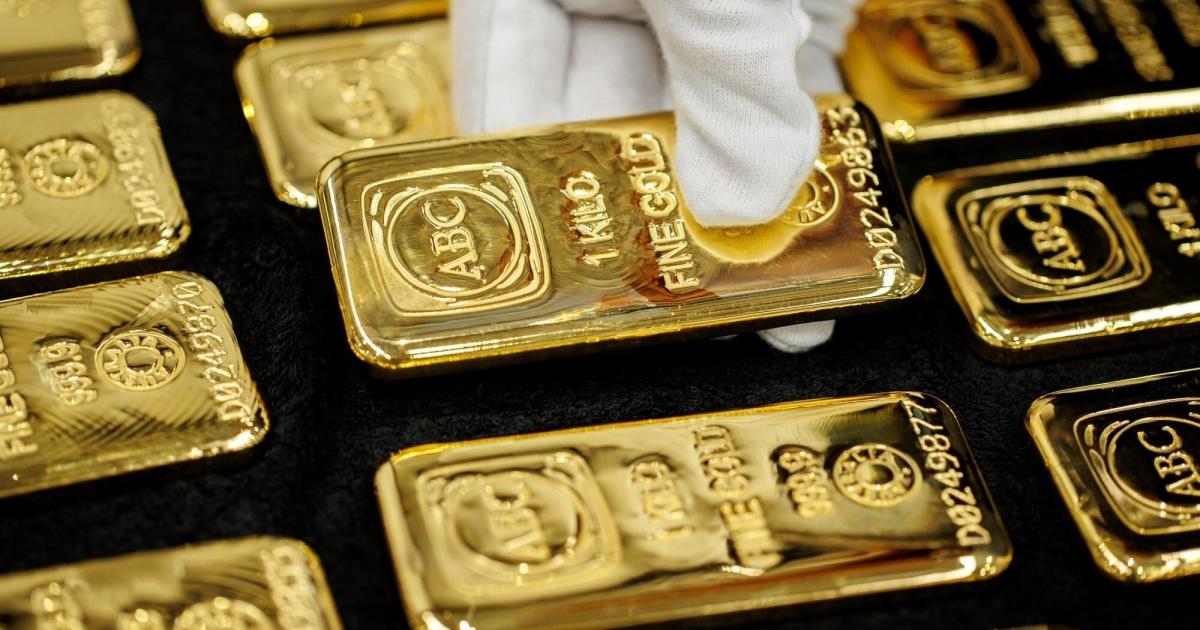
Gold and Silver Prices Fall to Weekly Lows Amid US Interest Rate Hike Bets
Gold prices plummeted to a weekly low, dropping approximately 3% to $4,510.99 per ounce as aggressive bets on US interest rate hikes intensified. This volatility, fueled by persistent inflation data and a hawkish Federal Reserve outlook, is forcing institutional investors to reassess liquidity, precious metal hedges, and broader capital allocation strategies.
The sudden contraction in gold’s spot price marks a definitive shift in market sentiment. For months, bullion served as the primary sanctuary for capital seeking refuge from inflationary erosion. However, the narrative has pivoted. As the market digests the latest signals from the Federal Open Market Committee (FOMC), the “safe haven” premium is being cannibalized by the rising opportunity cost of holding non-yielding assets in a high-rate environment.
The mechanics of this sell-off are rooted in the tightening correlation between real yields and precious metals. When the Federal Reserve signals a commitment to quantitative tightening, the upward pressure on the yield curve makes gold—which pays no interest—increasingly unattractive compared to short-term Treasuries. This isn’t merely a temporary dip. it is a structural repricing of risk.
“The velocity of this correction suggests the market is no longer just hedging against inflation; it is actively pricing in a regime of higher-for-longer interest rates that will squeeze liquidity across all commodity classes.”
This sentiment is echoed in recent discussions among institutional desks. While gold struggles to find a floor, silver has faced an even more brutal liquidation, with prices collapsing alongside the yellow metal. This synchronized retreat suggests that the liquidity drain is systemic, affecting the entire precious metals complex as traders rotate into USD-denominated cash equivalents.
The Yield Curve and the Death of the Inflation Hedge
To understand why gold is shedding value so rapidly, one must look at the interplay between the US Dollar Index (DXY) and real interest rates. According to recent data from the Federal Reserve, the trajectory of monetary policy is shifting from “wait-and-see” to “aggressive containment.” As basis points are added to the federal funds rate, the real yield—the nominal rate adjusted for inflation—climbs. This is the death knell for speculative gold positions.
For corporate treasuries, this creates a significant fiscal problem. Many mid-to-large cap enterprises utilize gold or silver as a component of their hedging strategy to mitigate currency volatility or supply chain cost fluctuations. As these assets lose value, the efficacy of these hedges diminishes exactly when they are needed most. Firms are finding themselves caught in a pincer movement: rising operational costs due to inflation, coupled with the devaluation of their traditional hedging instruments.
This volatility necessitates a move toward more sophisticated, dynamic hedging models. Organizations that failed to account for a hawkish pivot are now scrambling to consult with commodity advisory firms to restructure their positions before the next quarterly reporting cycle.
Three Critical Shifts Triggered by the Commodity Retreat
The current downturn in precious metals is not an isolated trading event; it is a signal of a broader macro realignment. This trend forces a re-evaluation of three core pillars of corporate finance:

- Re-calibration of Treasury Management: With the strengthening dollar and rising yields, the traditional “buy and hold” approach to precious metal reserves is becoming a liability. Finance departments are increasingly turning to treasury management services to implement more agile, yield-focused cash management strategies that can withstand rapid interest rate shifts.
- Heightened Risk Mitigation Requirements: The collapse in silver and gold prices exposes the fragility of static hedging. As volatility spikes, the demand for specialized risk management consultants has surged, as firms look to build multi-layered defense mechanisms that include derivatives and more liquid asset classes.
- Strategic Capital Reallocation: Institutional investors are moving away from “inflation-protection” assets and toward “growth-and-yield” assets. This shift is causing a massive migration of capital from the commodities sector into high-quality corporate debt and equity, fundamentally altering the liquidity landscape of the global markets.
The Silver Collapse: A Warning for Industrial Demand
While gold is the headline-grabber, the collapse in silver prices offers a more sobering outlook for the industrial sector. Unlike gold, which is primarily a monetary asset, silver maintains a heavy industrial component, utilized extensively in electronics, photovoltaics, and automotive technologies. The precipitous drop in silver suggests that the market is pricing in not just higher rates, but a potential slowdown in global manufacturing activity.
If the “higher-for-longer” rate environment successfully cools the economy, the industrial demand for silver will likely crater. This creates a secondary problem for B2B manufacturing firms: the unpredictability of raw material costs. A manufacturer cannot effectively budget for Q3 or Q4 if the volatility of their primary inputs is driven by the whims of the FOMC’s next meeting. This uncertainty is the primary driver behind the current surge in demand for predictive analytics and supply chain intelligence services.

The data is clear: the era of easy, predictable commodity pricing is over. We are entering a period defined by high-conviction monetary policy and intense market sensitivity to every basis point of movement in the yield curve.
As we move into the next fiscal quarter, the focus for C-suite executives must shift from reactive panic to proactive structural adjustment. The ability to navigate this volatility will distinguish the resilient from the insolvent. To find the specialized partners required to navigate this new landscape—from commodity experts to liquidity specialists—explore the vetted professionals in the World Today News Directory. In a market this volatile, the right expertise is your only true hedge.