
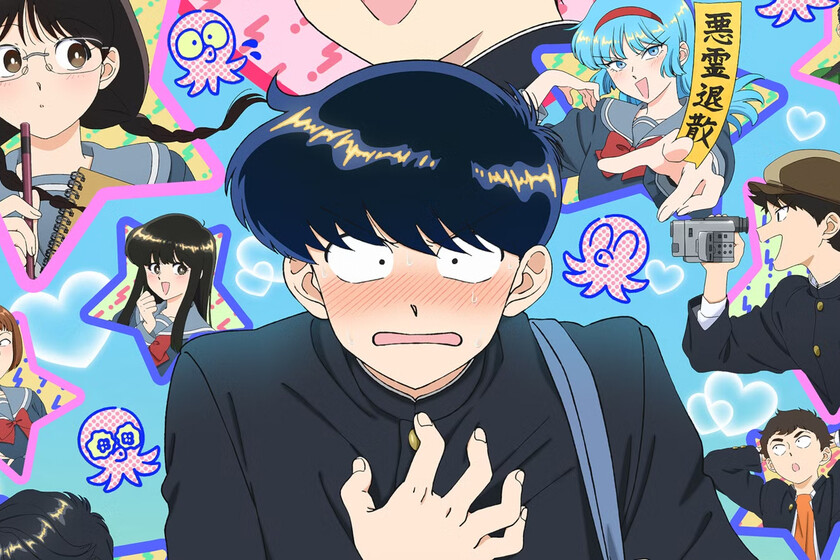
Go For It Nakamura-kun Anime Review A Must Watch Spring Romantic Comedy
Debuting on Crunchyroll this April 2026, Go For It, Nakamura-kun! is positioning itself as a breakout hit in the Boys Love (BL) sector, leveraging a retro 90s aesthetic to capture mainstream rom-com audiences. While production delays threatened initial momentum, strategic positioning as a universal slice-of-life title rather than a niche genre piece is driving early social sentiment, signaling a lucrative shift in SVOD acquisition strategies for LGBTQ+ content.
The Spring 2026 anime season is traditionally a bloodbath for attention spans, dominated by high-octane shonen battles and fantasy epics like Witch Hat Atelier. Yet, amidst the noise of magical combat and shadow realms, a quiet revolution is brewing in the romance sector. Go For It, Nakamura-kun! (known domestically as Ganbare! Nakamura-kun!!) isn’t just another high school drama. It’s a case study in brand repositioning. By stripping away the heavy tropes often associated with the Boys Love genre and focusing on universal awkwardness and pastel-soaked nostalgia, the production committee is effectively widening the total addressable market (TAM) for the series.
This isn’t accidental. The industry has learned that pigeonholing content limits backend gross potential. When a title leans too hard into specific genre tags, it alienates the casual viewer. The creative team behind Nakamura-kun! understands that the real currency here isn’t just the romance between Okuto Nakamura and Aiki Hirose; it’s the relatability of the “closeted crush” experience, packaged in a visual style that screams comfort food. This approach mirrors the success of titles like Skip and Loafer, proving that emotional resonance often outperforms budget-heavy spectacle in the streaming retention metrics.
The Economics of the “Slow Burn” and IP Management
Production delays are the silent killer of anime hype cycles. Nakamura-kun! suffered its own share of scheduling friction, a common logistical nightmare in an industry currently grappling with labor shortages and tight animation pipelines. However, from a public relations standpoint, this delay was spun into anticipation. The source material, a manga by Syundei published by Akane Shinsha, is compact—only two volumes at the time of adaptation. This scarcity creates a “fear of missing out” (FOMO) dynamic, but it also presents a significant intellectual property risk.
With such a limited source library, the anime risks outpacing the manga, forcing the studio into filler territory or an original ending that could alienate purists. This is where the value of specialized entertainment IP attorneys and licensing experts becomes critical. Securing the rights for a potential second season or negotiating spin-off media before the first episode airs is not just legal due diligence; it is a financial imperative to protect the franchise’s long-term equity. Studios that fail to lock down these ancillary rights early often see their profit margins eroded by complex royalty disputes down the line.
According to recent data from Variety’s 2026 Streaming Trends Report, romance anime saw a 14% year-over-year increase in completion rates on major SVOD platforms, outperforming action genres in the 18-34 demographic. This shift suggests that audiences are fatigued by high-stakes world-ending plots and are craving intimate, character-driven narratives. Nakamura-kun! is riding this wave perfectly, offering a low-stakes environment where the biggest conflict is mustering the courage to speak to a crush.
“The success of shows like Nakamura-kun! proves that the ‘niche’ label is dead. Audiences don’t care about the genre tag; they care about the emotional payoff. If you can make them laugh and cry over a high school confession, you’ve won the retention war regardless of the characters’ genders.” — Elena Ross, Senior VP of Content Strategy at a leading global streaming aggregator.
Visual Nostalgia as a Cost-Efficiency Strategy
Visually, the series is a masterclass in budget optimization. The decision to utilize a “90s retro” aesthetic—characterized by soft pastel palettes, rounded character designs, and a lack of frantic digital effects—isn’t just an artistic homage to classics like Ranma ½; it is a smart financial move. High-fidelity 3D integration and complex particle effects drain production budgets. By opting for a hand-drawn, softer appear, the studio reduces rendering costs while simultaneously tapping into a potent vein of millennial and Gen Z nostalgia.
This aesthetic choice also serves as a buffer against the “uncanny valley” effect that plagues many modern CGI-heavy productions. It feels human. It feels warm. In an era where digital perfection often feels sterile, the slight imperfections of a retro-inspired style create a stronger emotional bond with the viewer. This is brand equity in its purest form: the show feels like a memory you haven’t had yet.
Navigating Cultural Sensitivity and Brand Safety
However, bringing a BL title to a global mainstream audience is not without its reputational risks. The history of LGBTQ+ representation in anime is fraught with fetishization and stereotyping. A misstep in localization or marketing could trigger a significant backlash, turning a heartwarming story into a PR crisis. The line between “charming trope” and “offensive stereotype” is thin, and in the court of public opinion, there is no appeal process.
This is why top-tier production committees are increasingly relying on crisis communication firms and cultural sensitivity consultants during the localization phase. It is not enough to simply translate the dialogue; the cultural context must be adapted to ensure the humor lands without punching down. For a show relying on the “closeted” narrative, the marketing must walk a tightrope between celebrating the queer experience and ensuring it remains accessible to conservative markets without diluting the core message. A failure here doesn’t just hurt one show; it can damage the studio’s brand reputation for years.
the physical rollout of such a hit requires logistical precision. If Nakamura-kun! achieves the predicted breakout status, People can expect a surge in demand for related merchandise and potential live events. This influx requires robust event logistics and security vendors to manage fan gatherings, pop-up shops, and convention appearances. The infrastructure must be ready to handle the “otaku economy” before the hype peaks, ensuring that the physical execution matches the digital quality.
The Verdict: A Blueprint for Future Rom-Coms
As we move deeper into 2026, Go For It, Nakamura-kun! stands as a testament to the power of restraint. It doesn’t need magic spells or shadow demons to captivate an audience; it just needs a well-timed blush and a perfectly animated hesitation. It proves that in a market saturated with noise, the quietest voice often carries the furthest. For industry professionals, the takeaway is clear: the next substantial franchise might not be the one with the biggest budget, but the one that understands the human heart best.
The series premieres on April 2nd, 2026, exclusively on Crunchyroll. Whether it becomes a decade-defining classic or a fleeting seasonal favorite remains to be seen, but its strategic execution offers a roadmap for how to elevate genre content into cultural phenomena. For those looking to capitalize on this shift, whether through legal representation for emerging creators or PR management for established studios, the opportunities in this sector are vast and largely untapped.
Disclaimer: The views and cultural analyses presented in this article are for informational and entertainment purposes only. Information regarding legal disputes or financial data is based on available public records.