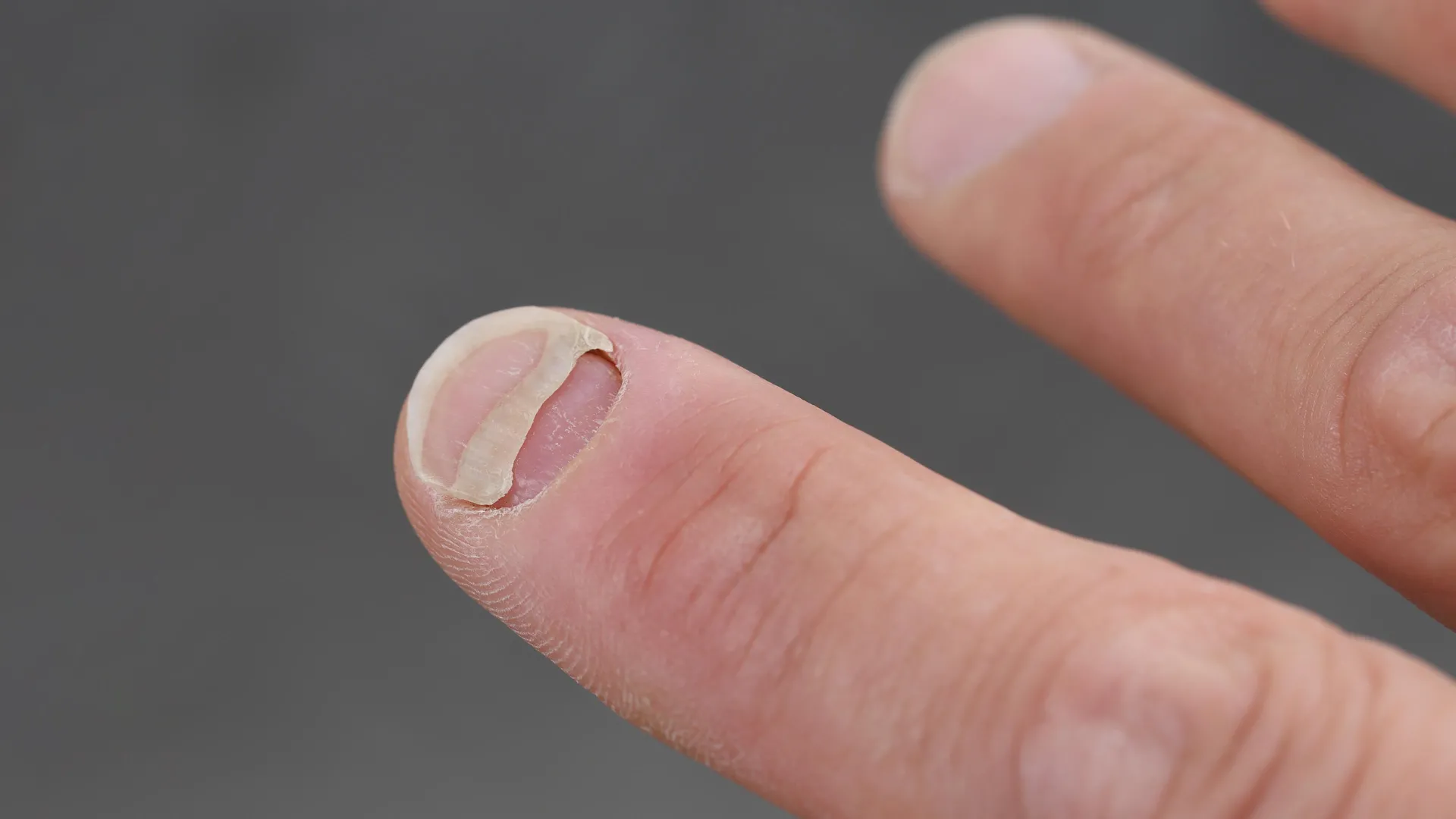
GLP-1 Weight Loss Drugs Linked to Nail Detachment and Hair Loss
“Until now, nail changes associated with GLP-1 therapies had essentially been anecdotal,” said study author Dr. Charles Taïeb, following the presentation of new research at the European Academy of Dermatology and Venereology (EADV) Congress 2026. Popular weight-loss and type 2 diabetes medications, including Ozempic, Wegovy, Mounjaro, Zepbound, Victoza, and Trulicity, have been linked in a multinational study to a significantly higher incidence of nail detachment, discoloration, and broader hair and scalp complications.
-
Key Clinical Takeaways:
- GLP-1 receptor agonist users reported a 39% rate of nail detachment (onycholysis), compared to just 9% among control groups who never took the drugs.
- Two-thirds (66%) of individuals taking these medications reported at least one nail disorder, with nail discoloration affecting 46% of users versus 17% of nonusers.
- A companion analysis revealed that 50% of GLP-1 users experienced unusual hair loss alongside scalp inflammation symptoms like itching, redness, or scaling.
Multinational Investigation Tracks Nail Discoloration and Detachment Rates
The findings stem from the first controlled study designed to examine the relationship between GLP-1 receptor agonists and nail health. Researchers analyzed 575 individuals using the medications and compared them against a control group of 1,329 individuals suffering from obesity and/or type 2 diabetes who had never used GLP-1 therapies. Participants in the investigation were recruited across France, the United States, Brazil, and Mexico. While overall nail disorders affected 66% of the medication group compared to 53% of controls, nail detachment proved markedly more pronounced, occurring at more than four times the rate in patients taking the drugs.
Nail detachment—medically known as onycholysis—involves the nail separating from the nail bed. Although typically non-dangerous on its own, this separation creates vulnerable exposed areas prone to physical irritation or secondary infection. Persistent changes of this nature may sometimes signal underlying nutritional deficiencies or dermatological conditions.
Weight Loss Alone Fails to Fully Account for Observed Dermatological Shifts
A primary clinical question facing investigators was whether rapid weight reduction—a common physiological mechanism associated with GLP-1 therapy—drove the observed nail and hair alterations by affecting patient nutrition or other physiological processes. However, the study data indicated that weight loss did not entirely explain the divergence between cohorts. Even when researchers restricted their statistical analysis strictly to participants who had lost weight, GLP-1 users continued to report substantially higher rates of nail disorders than non-users.
Despite these clear correlations, researchers cautioned that the findings establish an association rather than direct causation. Approximately half of the medication users noted that they experienced nail problems prior to initiating their GLP-1 regimen. When statistical adjustments were made for pre-existing skin conditions and nutritional shortfalls, the margin between groups narrowed, though nail detachment and discoloration still remained two to three times more frequent among medication users.
Companion Study Identifies Concurrent Scalp Inflammation and Hair Loss
Beyond fingernails, the research team conducted a companion investigation evaluating hair and scalp health among the same patient cohort. Unusual hair loss was documented in 50% of GLP-1 users, contrasted with 34% of control participants, while reduced hair volume or density affected 42% of users compared to 19% of nonusers. New-onset hair shedding starting after treatment initiation appeared at more than twice the frequency in the treatment group.
The data demonstrated that hair shedding rarely occurred in isolation. Most impacted participants experienced accompanying scalp symptoms, including localized redness, flaking skin, and itching. “This suggests that what is happening on the scalp may go beyond the classical shedding seen after rapid weight loss and involve an inflammatory component,” explained study author Dr. Bruno Halioua. “Scalp inflammation was the rule rather than the exception, which clinicians do not currently look for and which may be treatable.” DUCRAY Laboratories, a company of the Pierre Fabre Group focused on dermatological and hair care products, provided institutional support for the research.
The research team intends to launch prospective studies incorporating biological monitoring and standardized clinical assessments of skin, hair and nails from the beginning of treatment to establish when the changes first appear, identify the mechanisms behind them, and determine whether they improve or disappear over time.
Disclaimer: The information provided in this article is for educational and scientific communication purposes only and does not constitute medical advice. Always consult with a qualified healthcare provider regarding any medical condition, diagnosis, or treatment plan.