Global Study Reveals 1 in 3 Media Workers Face Sexual Harassment-But Only 31% Report It
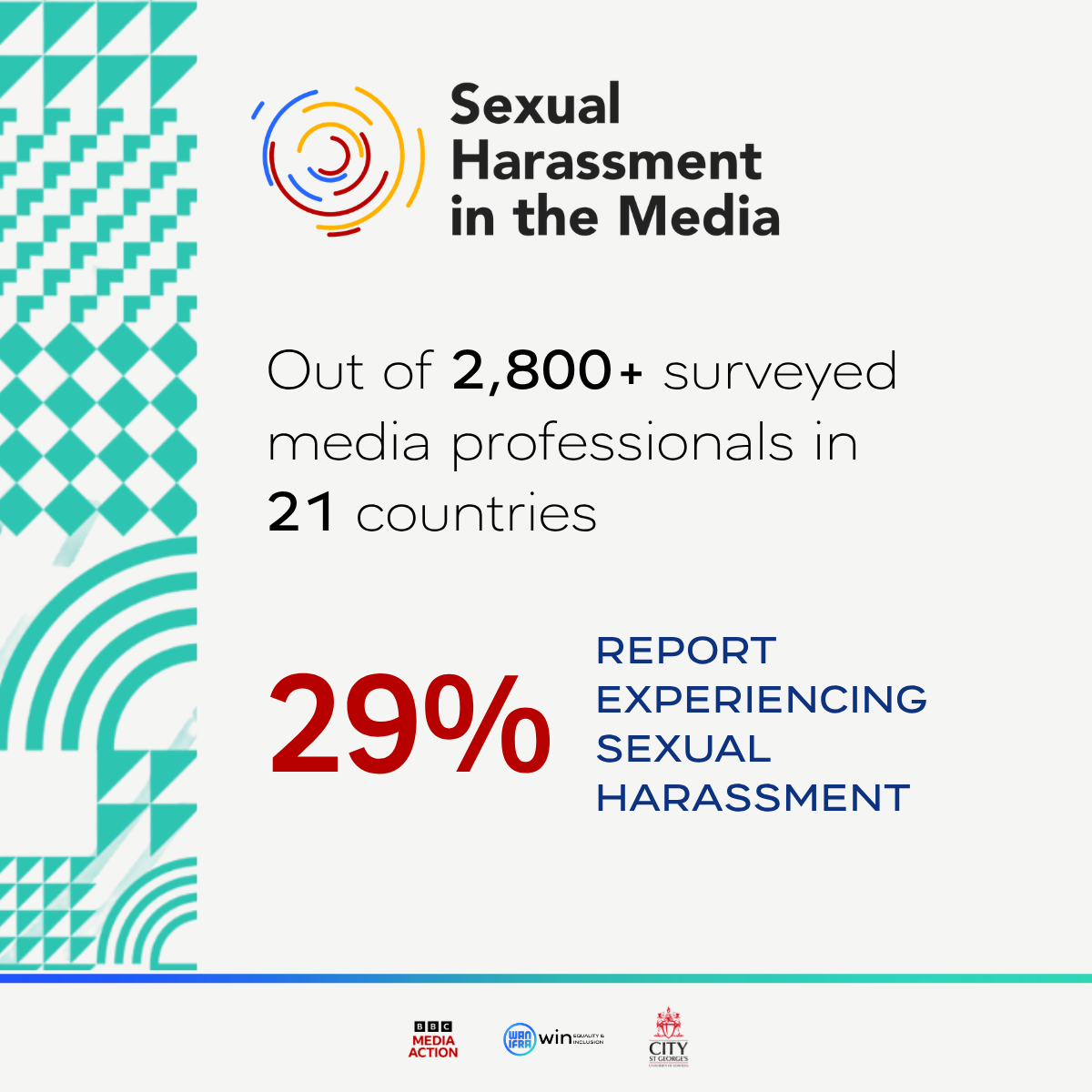
A landmark 21-country study reveals that nearly 3 in 10 media professionals experience sexual harassment, with women facing disproportionate risks and systemic underreporting. Released May 21 by WAN-IFRA Women in News, City St George’s University of London and BBC Media Action, the research exposes how workplace cultures in journalism—from Lagos to Kyiv—perpetuate violence, erode trust, and threaten industry integrity. The findings demand urgent action from newsrooms, governments, and legal systems worldwide.
The Problem: A Crisis of Trust and Accountability
Sexual harassment in media workplaces isn’t just a human resources issue—it’s a systemic threat to journalistic independence. The new study, spanning 2,800+ respondents across Sub-Saharan Africa, the Arab region, Southeast Asia, and Ukraine, confirms what many survivors have long known: media organizations are failing to protect their employees. With 69% of harassment cases going unreported and only 65% of reported incidents resulting in organizational action, the data paints a picture of institutional complacency.
The gender disparity is staggering. Women are 2.4 times more likely to experience verbal harassment and 1.8 times more likely to face online abuse than their male counterparts. Yet men’s underreporting suggests a broader cultural problem: harassment is often treated as a “women’s issue,” obscuring how it warps power dynamics across entire newsrooms. This isn’t just about individual victims—it’s about the erosion of editorial integrity when fear silences voices.
Regional Disparities: Where the Crisis is Most Acute
The study’s geographic spread reveals alarming variations. Africa leads with 33% of respondents reporting harassment, followed closely by the Arab region at 31%. Southeast Asia (19%) and Ukraine (12%) show lower but still troubling rates—particularly when considering Ukraine’s inclusion for the first time in this study, reflecting its unique challenges in a conflict-affected media landscape.
In Sub-Saharan Africa, where 60% of media organizations lack formal harassment policies, the lack of infrastructure is palpable. A 2025 UN Women report found that only 12% of Nigerian media houses provide mandatory sexual harassment training. Meanwhile, in the Arab region, cultural taboos around discussing gender-based violence create additional barriers to reporting.
Economic and Professional Fallout: The Hidden Costs
The human toll is clear, but the economic consequences are equally devastating. Newsrooms losing talent to harassment face higher turnover costs—estimated at 1.5-2x annual salary per departure—while survivors often leave entirely. The study found that 42% of harassed journalists considered leaving the industry, with women twice as likely to do so. This brain drain weakens local media ecosystems, particularly in regions where independent journalism is already under threat.

For organizations, the legal risks are mounting. In the UK, the 2021 Workplace Harassment Act now requires employers to proactively prevent harassment, with fines up to £100,000 for non-compliance. Similar legislation is under review in South Africa and Kenya, creating a patchwork of accountability that media organizations must navigate.
The Solution: Where to Turn for Help
The study’s authors emphasize that policy changes alone won’t suffice. Media organizations must implement multi-layered solutions:
- Independent reporting mechanisms: Many organizations rely on HR departments to handle harassment complaints—a conflict of interest. External ombudsmen or third-party hotlines (like those offered by WAN-IFRA Women in News) provide neutral avenues for survivors.
- Cultural audits: Organizations like Gender Changers specialize in assessing newsroom cultures to identify harassment enablers, from unchecked power imbalances to toxic “locker room” norms.
- Legal defense networks: For survivors facing retaliation, organizations such as IFEX’s Legal Defense Fund provide pro bono support to journalists in legal disputes.
- Regional compliance consultants: Firms like Dentons’ Media Practice Group help organizations navigate evolving harassment laws across jurisdictions.
Directory Bridge: Who Can Help Your Organization Respond
Media organizations grappling with these findings have three critical paths to action:
- [Media Workplace Culture Consultants] – Specialized firms that conduct anonymous surveys and cultural diagnostics to identify harassment hotspots before they escalate.
- [International Legal Compliance Firms] – Organizations assisting with drafting region-specific harassment policies that meet local labor laws while protecting whistleblowers.
- [Survivor Support Networks] – Confidential counseling and legal aid services tailored to journalists, often with experience in high-stakes media environments.
The Long Game: Why This Study Changes Everything
This isn’t just another report—it’s a wake-up call. The data forces a reckoning: media organizations that fail to act won’t just face reputational damage; they’ll accelerate the extremely crises they claim to cover. The study’s interactive platform (available here) allows newsrooms to benchmark their cultures against global peers, creating unprecedented transparency.

The most striking finding? The correlation between harassment rates and newsroom diversity. Organizations with more women in leadership reported 30% lower harassment incidents—a clear incentive to prioritize gender equity. Yet progress remains slow. In 2020, only 37% of media executives globally were women (ITU data). Without intentional intervention, that number won’t budge.
The Kicker: A Crisis That Demands Collective Action
The media’s role in holding power to account is under siege—not just from external threats, but from the very cultures it claims to serve. This study doesn’t just document a problem; it maps a path forward. The question now is whether the industry will act with the urgency the data demands.
For organizations ready to respond, the World Today News Directory connects you with verified experts in media workplace reform, legal compliance, and survivor support—because the time for half-measures is over. The integrity of journalism depends on it.