
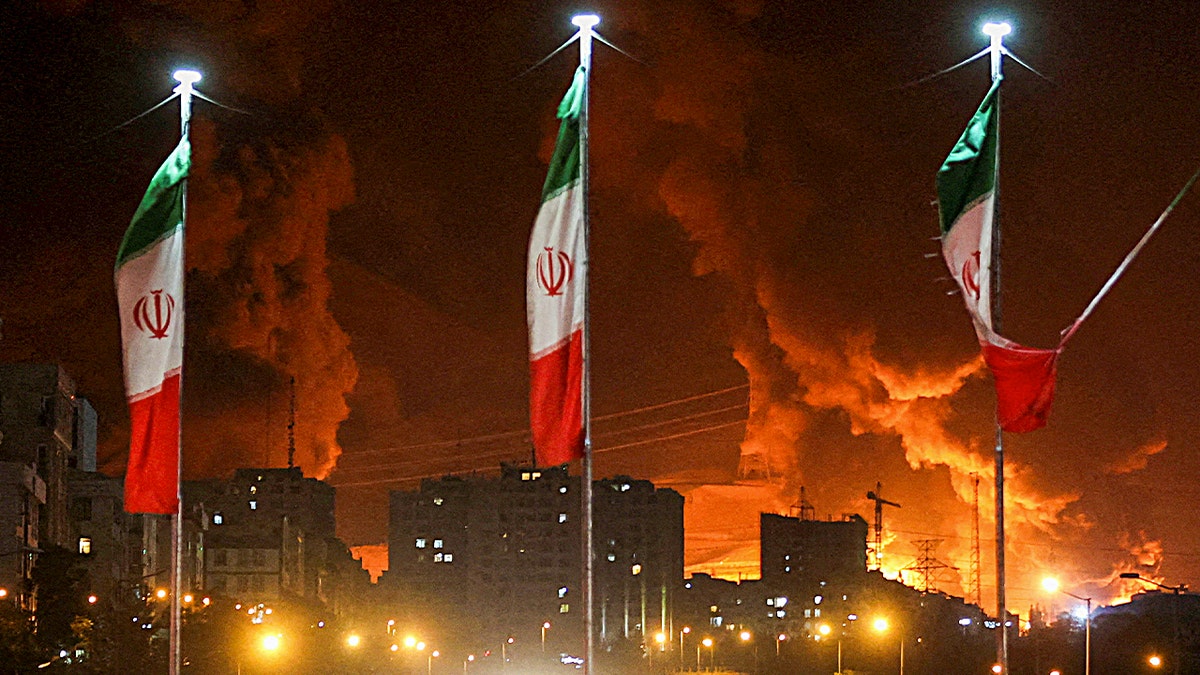
Global Oil and Fuel Crisis: Impact of Iran War and IEA Warnings
Europe is facing a systemic jet fuel shortage as conflict in the Strait of Hormuz disrupts global crude flows, threatening airline operational viability and skyrocketing ticket prices. The crisis, compounded by IEA warnings of a supply shock worse than 1973, forces carriers to navigate extreme volatility in aviation turbine fuel (ATF) pricing.
This isn’t a mere pricing fluctuation; it is a liquidity event. When the cost of the primary input for an airline spikes uncontrollably, EBITDA margins evaporate. For mid-tier European carriers, the inability to hedge fuel costs effectively in a fragmented market is leading to a desperate search for corporate restructuring advisors to prevent insolvency.
The math is brutal. Jet fuel typically accounts for 20% to 30% of an airline’s operating expenses. With the Strait of Hormuz—a chokepoint for roughly 20% of the world’s total oil consumption—under threat, the “crack spread” (the difference between the price of crude oil and the price of refined products) is widening. This puts an immediate squeeze on cash flow, forcing CFOs to liquidate reserves or seek emergency credit lines.
The Macro Shock: Why This Outstrips Previous Crises
The International Energy Agency (IEA) has been explicit: the current convergence of geopolitical instability and refining constraints is more severe than the shocks of 1973, 1979, and 2022 combined. We are seeing a “perfect storm” where the physical availability of kerosene is decoupled from the spot price of Brent crude.

The problem is structural. Europe’s refining capacity has stagnated, and the reliance on Middle Eastern feedstock makes the continent uniquely vulnerable to maritime blockades. When the flow of crude is throttled, the refinery output for jet fuel drops almost instantly. This creates a scarcity premium that transcends standard market volatility.
Volatility is the enemy of the balance sheet.
To understand the gravity, one must look at the International Energy Agency’s latest market reports, which indicate a critical deficit in refined product inventories across the EU. This represents no longer about “expensive” fuel; it is about “unavailable” fuel. Airlines are now competing for limited parcels of ATF, leading to “fuel hoarding” behaviors that further distort the market.
The Fiscal Fallout: Three Pillars of Industry Erosion
- Margin Compression and Revenue Leakage: While airlines attempt to pass costs to consumers via “fuel surcharges,” there is a ceiling to consumer elasticity. As ticket prices climb, demand for leisure travel craters, leading to a paradoxical drop in total revenue despite higher unit prices. This creates a death spiral for carriers with high debt-to-equity ratios.
- Hedging Failure and Margin Calls: Many carriers utilized derivative contracts to lock in fuel prices. However, in a hyper-volatile environment, the cost of maintaining these hedges—specifically the margin calls required by clearinghouses—can drain a company’s working capital faster than the fuel cost itself. Firms are now turning to specialized financial risk management firms to re-engineer their hedging portfolios.
- Operational Grounding: We are approaching a threshold where “fuel rationing” becomes a reality. If the Strait of Hormuz remains contested, the physical lack of jet fuel will lead to the cancellation of flights regardless of a carrier’s ability to pay. This represents a total cessation of revenue generation for affected routes.
The systemic risk here is contagion. A failure of one major European hub carrier could trigger a domino effect across airport operators, ground handling services, and aircraft leasing firms.
“The market is currently pricing in a geopolitical risk premium that is unsustainable. We are seeing a shift from ‘just-in-time’ fuel procurement to ‘just-in-case’ stockpiling, which is fundamentally inflationary and destructive to short-term quarterly earnings.”
— Marcus Thorne, Chief Investment Officer at Global Macro Hedge Fund (Institutional Investor)
The Boardroom Pivot: Survival Through Diversification
C-suite executives are no longer talking about “growth”; they are talking about “resilience.” In recent investor calls, the narrative has shifted toward Sustainable Aviation Fuel (SAF) not as a green initiative, but as a strategic hedge against crude volatility. By diversifying the feedstock of their fuel, airlines can reduce their dependency on the Hormuz chokepoint.
However, the transition to SAF requires massive capital expenditure (CapEx). With interest rates remaining sticky and the cost of capital high, airlines cannot fund this transition through organic cash flow. This has sparked a wave of strategic partnerships and joint ventures. We are seeing a surge in the demand for international corporate law firms to navigate the complex regulatory frameworks of cross-border energy investments.
The volatility is not a glitch; it is the latest baseline.
According to the European Central Bank’s latest monetary policy observations, energy price shocks remain the primary driver of headline inflation in the Eurozone. This puts the ECB in a precarious position: they cannot easily lower rates to stimulate the economy if fuel-driven inflation continues to push prices higher, leaving airlines trapped in a high-cost, high-interest environment.
“We are witnessing a fundamental decoupling of energy pricing from traditional economic indicators. The ‘geopolitical premium’ is now the dominant variable in aviation valuation models.”
— Elena Rossi, Senior Energy Analyst, Euro-Market Research
The Path Forward: Navigating the Supply Vacuum
For the upcoming fiscal quarters, the focus will be on “fuel security” over “fuel cost.” The winners will be the carriers that secured long-term supply agreements with non-Middle Eastern refineries or those who successfully pivoted to synthetic alternatives. The losers will be those who relied on the spot market and failed to anticipate the fragility of the global supply chain.
The crisis in the Strait of Hormuz is a wake-up call for the entire B2B aviation ecosystem. It exposes the danger of geographic over-reliance and the inefficiency of lean supply chains in an era of permanent volatility. The industry is now in a race to build a redundant, diversified energy infrastructure before the next shock hits.
As the landscape shifts, the ability to identify vetted, reliable partners becomes the ultimate competitive advantage. Whether it is securing new energy contracts, restructuring debt, or navigating international trade law, the quality of your B2B network determines your survival. For those looking to stabilize their operations amidst this chaos, the World Today News Directory remains the definitive resource for connecting with the global firms capable of solving these systemic fiscal failures.