
Global Hantavirus Update: Outbreaks and Risk Levels
The recent emergence of hantavirus cases across disparate geographies—from the confined environment of an Atlantic cruise ship to the alpine regions of Switzerland—has reignited a critical conversation regarding zoonotic spillover and global biosurveillance. While national health authorities, including those in Japan, maintain a stance of low risk, the sporadic nature of these infections demands a rigorous clinical appraisal of current containment strategies.
Key Clinical Takeaways:
- A hantavirus outbreak aboard a cruise ship has triggered international responses, with passengers returning to the United States and evacuations occurring in Cape Verde and Argentina.
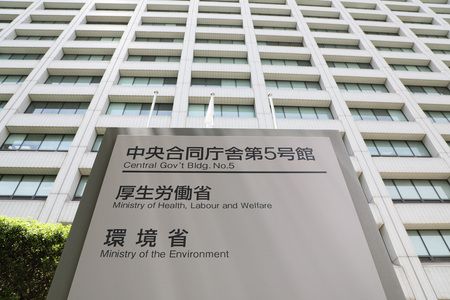
- Japan’s Health Ministry has formally assessed the risk of hantavirus spread within its borders as low, despite global volatility.
- The identification of a case in Switzerland has prompted aggressive contact tracing, highlighting the challenge of diagnosing a virus with non-specific early symptoms.
The clinical challenge of hantavirus lies in its insidious onset. For the primary care physician or the emergency department triage nurse, the initial presentation is often indistinguishable from a severe influenza-like illness. Patients typically present with a prodromal phase characterized by fever, myalgia, and gastrointestinal distress. However, the rapid progression to Hantavirus Pulmonary Syndrome (HPS) or Hemorrhagic Fever with Renal Syndrome (HFRS) can lead to catastrophic respiratory failure or renal collapse within hours.
The Dynamics of Zoonotic Spillover in Transit
The outbreak involving a cruise ship operating between Argentina and Cape Verde underscores a terrifying logistical reality: the intersection of high-density human populations and potential environmental vectors. According to reports from the BBC and The Guardian, the incident led to multiple evacuations and necessitated a coordinated effort to track passengers who had already returned to the United States. This scenario transforms a localized zoonotic event into a transnational public health concern.

From a pathogenesis perspective, hantaviruses are primarily transmitted via the inhalation of aerosolized excreta—urine, feces, or saliva—from infected rodents. The virus targets the vascular endothelium, triggering an intense immune response that increases capillary permeability. In the lungs, this manifests as non-cardiogenic pulmonary edema, where the alveoli fill with fluid, severely impairing gas exchange and leading to high morbidity rates if not managed in an intensive care setting.
For travelers returning from regions with known outbreaks or those who have been on affected vessels, immediate clinical screening is paramount. We see highly recommended that symptomatic individuals consult board-certified infectious disease specialists to differentiate hantavirus from other respiratory pathogens through specific serological testing.
Sporadic Cases and the Necessity of Contact Tracing
While the cruise ship event represents a cluster, the case in Switzerland reported by the Wall Street Journal illustrates the danger of sporadic, isolated transmissions. The subsequent race to trace contacts in Switzerland emphasizes the necessity of epidemiological vigilance. As hantavirus is not typically transmitted person-to-person (with the notable exception of certain Andes virus strains), the focus of contact tracing is often shifted toward identifying the common environmental source of exposure.
The diagnostic gold standard involves the detection of hantavirus-specific IgM antibodies or a significant rise in IgG titers. However, the window for these markers can vary, making RT-PCR (reverse transcriptase-polymerase chain reaction) essential for early detection of viral RNA in the blood. The latency period—the time between exposure and the onset of symptoms—can range from one to six weeks, creating a dangerous gap where the patient may be unaware of their exposure while the virus replicates within the host.
The complexity of hantavirus surveillance lies in the “silent” nature of the reservoir hosts. Rodents can carry the virus without showing signs of illness, meaning the environment can remain infectious long after the animal has moved on.
Evaluating the Risk Profile in Japan
In contrast to the alarm in Europe and the Americas, Japan’s Health Ministry has signaled that the risk of hantavirus spread within the country remains low. This assessment is likely based on the specific prevalence of competent rodent reservoirs and the efficacy of existing urban pest control and public health infrastructure. However, “low risk” is not “zero risk.” The global movement of people and goods means that biosurveillance must remain active.
Industrial sectors, particularly those involving agriculture, waste management, or the renovation of old structures, remain the highest-risk environments for zoonotic transmission. To mitigate these risks, organizations are increasingly integrating occupational health clinics into their safety protocols to ensure that workers exposed to rodent-infested areas receive proper education and prophylactic monitoring.
Clinical Management and the Standard of Care
There is currently no widely available, FDA-approved vaccine or specific antiviral cure for hantavirus. Management is primarily supportive, focusing on aggressive hemodynamic stabilization and respiratory support. In severe cases of HPS, early intubation and the use of extracorporeal membrane oxygenation (ECMO) have been shown to improve survival rates by maintaining systemic perfusion during the peak of the pulmonary edema phase.

The financial and regulatory burden of managing such outbreaks also extends to the corporate sector. Cruise lines and international travel operators are now facing increased scrutiny regarding their sanitation protocols and emergency medical response capabilities. Many of these entities are retaining healthcare compliance attorneys to navigate the complex web of international health regulations and liability frameworks that emerge following a zoonotic event.
Further research into the molecular structure of the viral glycoprotein is ongoing, with funding typically provided by national health grants and international consortia. The goal is to develop a targeted therapeutic that can block viral entry into the endothelial cells, thereby reducing the inflammatory cascade that leads to pulmonary failure. For detailed clinical guidelines, practitioners should refer to the latest updates on the World Health Organization (WHO) portal or PubMed for peer-reviewed longitudinal studies on hantavirus mortality.
As we move further into 2026, the intersection of climate change and urban expansion continues to push rodent populations into closer proximity with humans. While the current risk in many regions remains low, the cruise ship and Swiss cases serve as a reminder that zoonotic threats are opportunistic. The only effective defense is a combination of rigorous environmental control, rapid diagnostic deployment, and a healthcare infrastructure capable of scaling intensive care resources at a moment’s notice. To ensure your facility or family is protected, we encourage utilizing our directory to connect with vetted diagnostic centers and infectious disease experts.
Disclaimer: The information provided in this article is for educational and scientific communication purposes only and does not constitute medical advice. Always consult with a qualified healthcare provider regarding any medical condition, diagnosis, or treatment plan.