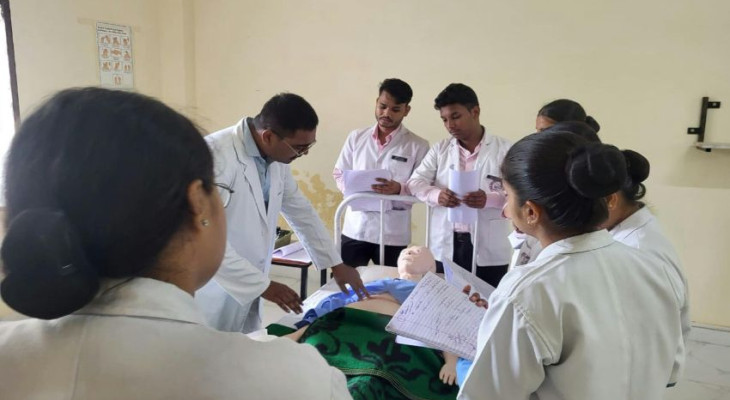
Global Cancer Workforce Shortage Could Hit 100 Million by 2050
The global oncology infrastructure faces a systemic failure point by 2050, as the confluence of an aging population and escalating cancer incidence rates threatens to outpace the current capacity of the medical workforce. A comprehensive report published in The Lancet Oncology highlights a looming deficit of 100 million healthcare workers globally, a projection that demands an urgent re-evaluation of how we train, retain, and deploy diagnostic and clinical specialists in the face of shifting morbidity patterns.
Key Clinical Takeaways:
- Epidemiological projections indicate a 75% increase in global cancer incidence by 2050, placing unprecedented strain on current oncology care models.
- The projected 100-million-person workforce shortage is most acute among nursing staff and diagnostic specialists, essential for early detection and therapeutic administration.
- Addressing this shortfall requires not only increased medical training capacity but also the implementation of sustainable workforce retention strategies and technological augmentation in clinical workflows.
The Epidemiological Trajectory and Structural Vulnerability
The pathogenesis of this crisis is multifaceted. As the global population undergoes demographic transition, the absolute number of cancer cases is expected to rise sharply. This surge is exacerbated by the high resource intensity required for modern oncology, which often necessitates multi-disciplinary care teams, advanced diagnostic imaging, and complex pharmacotherapeutic regimens. According to the research commissioned by The Lancet Oncology, the gap is not merely one of absolute headcount but of specialized expertise. The reliance on legacy clinical models—where patient-to-provider ratios remain stagnant despite increased complexity in molecular diagnostics—is becoming an unsustainable standard of care.

The study, which underscores the critical importance of human capital in cancer survival, identifies that the shortfall will be felt most acutely in the diagnostic and nursing sectors. Without intervention, these shortages will impede the timely implementation of precision medicine protocols, potentially increasing mortality rates due to delayed diagnosis and suboptimal therapeutic adherence. For healthcare systems currently struggling with administrative bottlenecks, consulting with healthcare management consultants is a necessary step to optimize existing personnel throughput and implement more efficient triage systems.
The projected workforce crisis is a clarion call for a fundamental redesign of global cancer care. We are not just looking at a deficit of bodies, but a systemic failure to integrate the necessary diagnostic and supportive care expertise required to manage the mounting burden of disease. — Dr. Sarah Arron, Epidemiologist and Healthcare Systems Researcher
Clinical Triage and the Future of Oncology Delivery
The clinical reality of 2050 will be defined by our ability to bridge the gap between burgeoning demand and limited supply. Current models of oncology training often lag behind the rapid evolution of immunotherapies and genomic sequencing technologies. To mitigate the risk of patient harm due to provider burnout or insufficient specialized oversight, institutions must prioritize the integration of diagnostic-led care pathways. For patients requiring specialized attention, the shift toward centralized diagnostic imaging centers and sub-specialized oncology practices is essential to ensure that limited human resources are applied where they are most effective.
The funding for this landmark commission, which highlights these critical workforce gaps, was provided by the Lancet Oncology Commission, reflecting a commitment to global health advocacy and clinical transparency. The findings emphasize that the current training pipeline is insufficient to meet the projected demand, necessitating a policy pivot toward the incentivization of medical specialization in oncology and nursing.
Operational Resilience in a Resource-Constrained Environment
Navigating the impending clinical shortfall requires proactive institutional planning. Healthcare organizations must look beyond traditional hiring practices and consider the strategic implementation of telehealth, AI-driven diagnostic support, and task-shifting models that empower advanced practice providers. For those managing large-scale oncology departments, the need for robust legal and operational frameworks is paramount. Engaging healthcare compliance attorneys ensures that as facilities pivot to new operational models, they remain within the bounds of evolving regulatory requirements while maintaining the highest standard of patient safety.
The long-term trajectory of this research suggests that without significant investment in the healthcare workforce, the widening disparity in cancer care outcomes—both between and within nations—will likely intensify. Addressing this requires a global commitment to strengthening the health systems that support the oncology pipeline, from undergraduate medical education to the maintenance of specialized diagnostic infrastructure. As we look toward the mid-century, the integration of clinical expertise and operational efficiency will be the primary determinant of success in the global fight against cancer.
Disclaimer: The information provided in this article is for educational and scientific communication purposes only and does not constitute medical advice. Always consult with a qualified healthcare provider regarding any medical condition, diagnosis, or treatment plan.