Givati Soldiers Sent to Prison After Refusing APC Entry With Female Paramedic
Rotem Battalion Disobedience Leads to Immediate Military Sentences
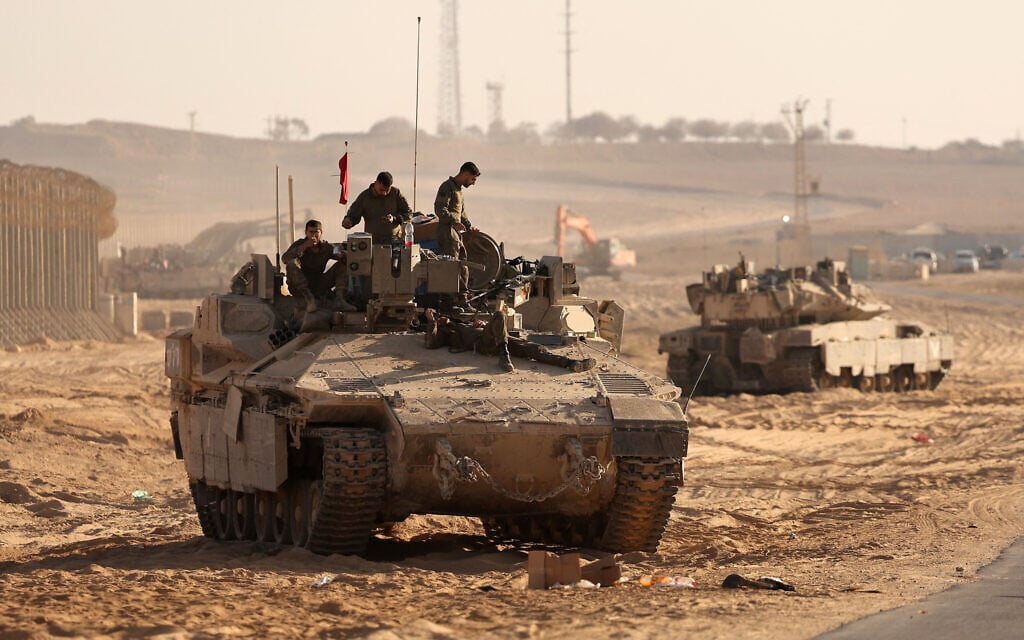
The disciplinary action unfolded after five Givati Brigade soldiers serving as yeshiva students in the Rotem Battalion refused over the weekend to board a Namer armored personnel carrier because a female paramedic was assigned to the vehicle. According to Israel National News, the battalion commander sentenced those five soldiers to 10 days in military prison on Sunday evening. Another 11 soldiers involved in the refusal received sentences of five days of confinement.
The Israel Defense Forces stated that two of the soldiers sentenced to 10 days in prison will also undergo an evaluation committee before they are permitted to return to combat duty. The disruption directly forced the cancellation of an active mission in Gaza, thrusting internal military codes and religious accommodations into the center of public discourse.
Political and Religious Fallout Over IDF Compliance and Observant Troops
The sentencing triggered swift and sharp reactions from political figures and religious leaders, who criticized the military leadership for failing to accommodate observant soldiers. MK Avi Maoz, chairman of the Noam party, directly addressed the political and defense establishment over the disciplinary measures. “Prime Minister and Minister of Defense, this is on your watch. You are turning your back on IDF soldiers,” Maoz stated, according to Israel National News, adding that the army was harming outstanding soldiers wishing to live according to their faith.
Additional condemnation came from Rabbi Dror Aryeh of the Hesder yeshiva in Sderot, who labeled the military command’s actions as unprecedented and accused leaders of yielding to progressive theatrics. Similar sentiments were expressed by the organization Wives of Soldiers for the Sanctity of the Camp, which demanded the immediate release of the imprisoned troops and disciplinary action against the commanders who enforced the penalties. The organization asserted that such actions threaten broader efforts to encourage Haredi enlistment within the military ranks.
Broader Institutional Repercussions and Support Networks
The confrontation underscores deep-seated friction regarding religious standards and operational integration within the armed forces. As families, legal advocates, and community groups grapple with the fallout, affected units and families frequently turn to specialized support networks. Navigating military disciplinary procedures and administrative reviews often requires specialized legal intervention, prompting families to consult with military defense counsel and military legal defense services to protect the rights of service members.

Furthermore, community organizations and civil rights advocacy groups continue to monitor how command structures balance operational necessity with religious freedom. Rabbi Lundin, head of the Holon yeshiva, offered public messages of encouragement to the jailed Rotem soldiers as the Hebrew month of Elul and Rosh Hashanah approached, urging them to remain steadfast in their spiritual convictions despite the institutional penalties.
The tension between operational military directives and religious lifestyle accommodations remains a defining challenge for defense leadership, with long-term implications for unit cohesion and recruitment across diverse segments of society.