Giant Benign Mucinous Cystadenoma in an Adolescent: A Case Report and Literature Review
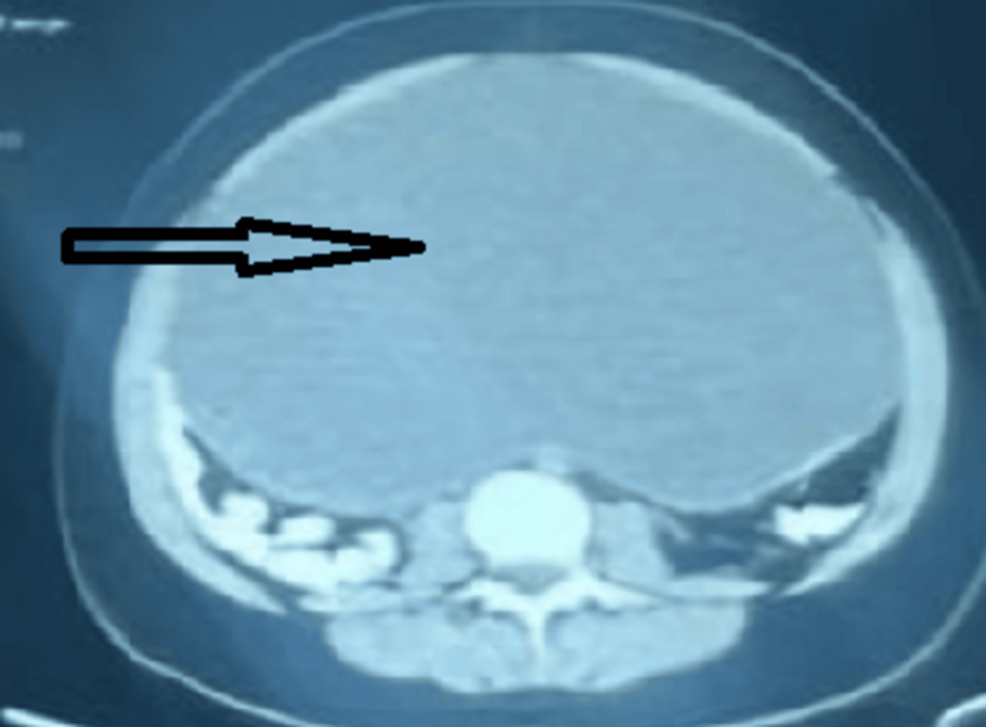
A 14-year-old female patient presented to a clinical center with a giant intra-abdominal mass measuring 32 x 24 x 13 cm, which occupied the entire pelvis and part of the upper abdomen, as detailed in a case report.
- The 14-year-old patient underwent an exploratory laparotomy, right salpingo-oophorectomy, and peritoneal lavage to completely excise the 7,720-g mass without intraoperative rupture.
- Histopathological evaluation confirmed the diagnosis of a benign mucinous cystadenoma, with peritoneal washings testing negative for malignancy and a low Risk of Ovarian Malignancy Algorithm (ROMA) index recorded prior to surgery.
Patient Presents with Abdominal Pain and Massive Mass
The patient presented with long-standing, worsening abdominal pain, progressive distension, sporadic metrorrhagia, and a massive palpable abdominal mass extending from the pelvis to the epigastric region, according to the report. Laboratory tests on admission revealed a white blood cell count of 11.28 $10^3$/uL, a hemoglobin level of 11.6 g/dL, and a platelet count of 286 $10^3$/uL. Tumor marker screening showed carcinoembryonic antigen at 3.16 ng/mL, CA 19.9 at 16.22 U/mL, CA 125 at 30 U/mL, and HE4 at 25 pmol/L. An oral contrast-enhanced computed tomography scan of the abdomen and pelvis confirmed a massive cystic tumor of adnexal origin measuring approximately 32 x 24 x 13 cm.
Surgery Removes Benign Mucinous Cystadenoma
Under general anesthesia, the surgical team performed an exploratory laparotomy, right salpingo-oophorectomy, and peritoneal lavage. The excised right adnexal tumor measured 35 x 24 x 11.4 cm and weighed 7,720 g with an intact pink and pale surface. The procedure involved minimal bleeding, approximately 50 ml of inflammatory fluid, and no complications. The histopathological diagnosis established a benign mucinous cystadenoma alongside a benign fallopian tube and negative peritoneal washings. Because the lesion was completely benign, no adjuvant therapy or immunohistochemical mutational studies were pursued.
Comparative Context on Ovarian Cysts and Patient Symptoms
While pediatric ovarian neoplasms are relatively rare—representing an estimated 2.2 to 2.6 cases per 100,000 pediatric girls and adolescents, with malignant cases accounting for 10% to 27%—broader epidemiological data show that approximately 7% of women develop an ovarian cyst during their lifetime, with screening studies indicating a 21.2% incidence among healthy postmenopausal women in Europe. The literature review notes that ovarian cysts can undergo torsion, rupture, or become malignant, frequently remaining undetected until large enough to cause progressive abdominal enlargement, pain, vomiting, or frequent micturition. Systematic reviews cited in the literature indicate that 93% of women with ovarian cancer report symptoms prior to diagnosis, though single symptoms possess low sensitivity.
Postoperative Monitoring and One-Year Follow-Up
Disclaimer: The information provided in this article is for educational and scientific communication purposes only and does not constitute medical advice. Always consult with a qualified healthcare provider regarding any medical condition, diagnosis, or treatment plan.