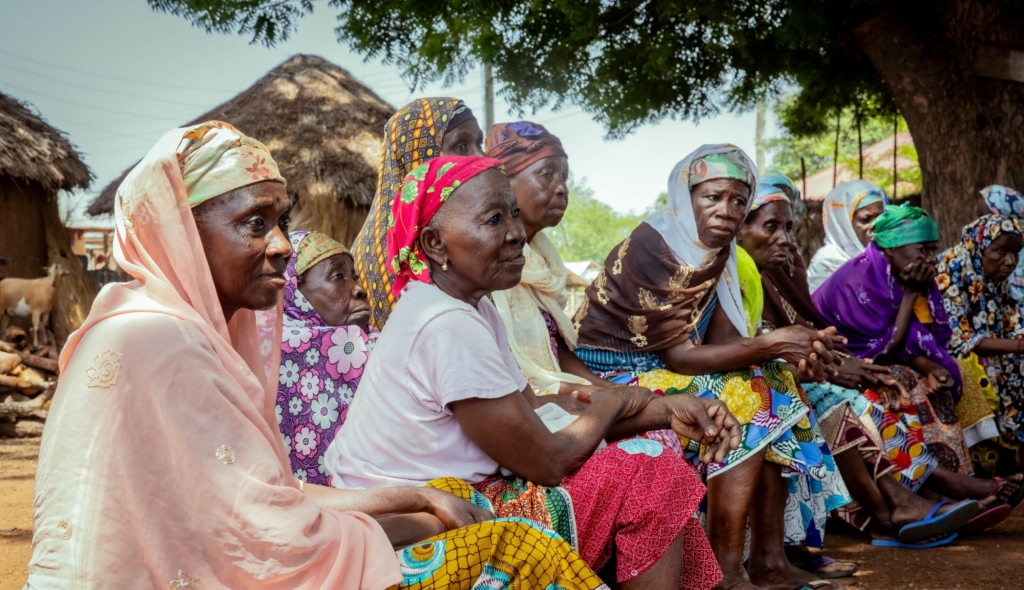
Ghanaian Women Accused of Witchcraft Urge Passage of Anti-Witchcraft Accusations Bill
Ghanaian women confined to makeshift camps after witchcraft accusations are urging the government to enact the Anti-Witchcraft Accusations Bill, seeking to end decades of systemic abuse documented by Amnesty International in its 2025 report.
The rights group found residents face threats, physical violence and, in some instances, death.
Parliament first passed the measure as a private members’ bill in 2023, but the then-president declined to sign it, citing constitutional concerns. The legislation was reintroduced in July 2026 and, since September, the government has moved to adopt it as a government-sponsored measure to ensure its passage and implementation.
The Minister of Gender confirmed the government is working toward the reintegration of camp residents and the eventual closure of the sites. Amnesty International visited three camps in Gambaga, Kukuo and Gnani during April and May 2026 to interview women displaced by the accusations.
For many women in the camps, the proposed law represents a path back to their communities. Zeinab Bogie, who has lived in the Gambaga camp for 25 years after being accused by her husband’s brother, expressed a desire to return home.
“I am a little depressed. I am trying not to be, but I am really sad. I don’t want to die here,” she told Amnesty.
Other residents, however, remain skeptical about returning to villages where they were once attacked. Fushiena Belena, a resident of the Kukuo camp for 15 years, said that she feels safer where she is currently living.
“Witchcraft accusations are a barbaric act. I suffered the pain of being accused,” she told Amnesty. “I even wish they could pass the law today.”
The current legislative effort aims to establish a legal framework to address the accusations and provide protection for those affected. Poona Nantogmah, who has lived in the Kukuo camp for eight years, said that the bill is essential for holding accusers accountable.
“With an Anti-Witchcraft Accusations Bill, the government would be dealing with the accusers and preventing other people from being accused,” she told Amnesty.
Some residents view the legislation as a necessity for future generations. Mariama Wambie, a resident of the Kukuo camp since 1994, argued that the state must intervene to stop the cycle of violence.
“What happened to me should not happen to the next generation,” she told Amnesty. “The authorities should advocate for accusations to be banned so women would have peace.”