Germany’s Far Right AfD Targets Bauhaus for Closure in Saxony-Anhalt
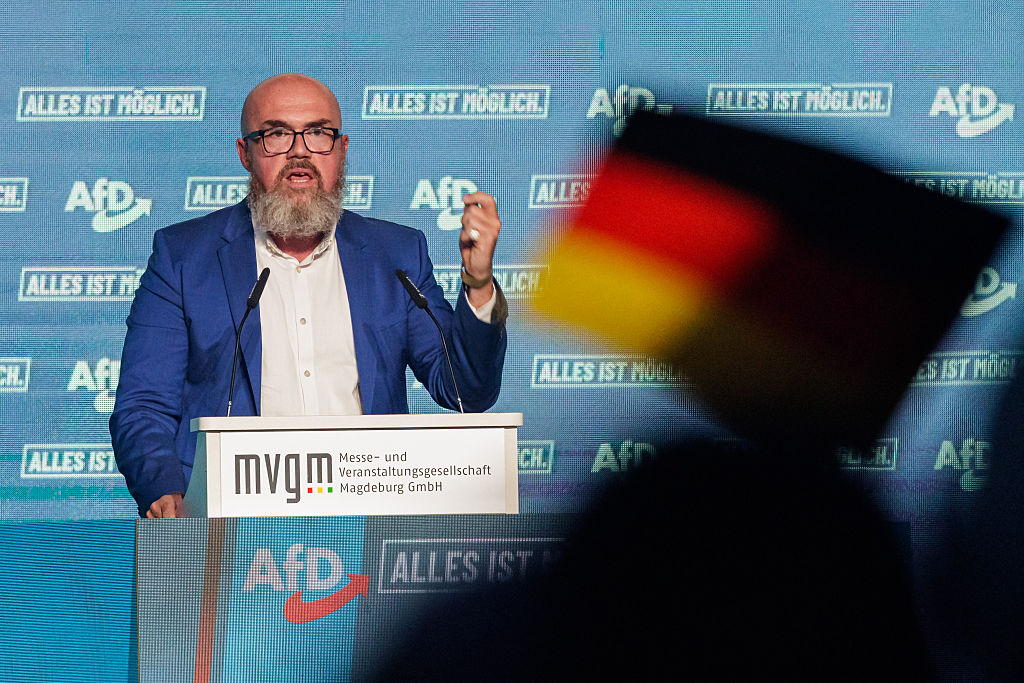
Germany faces a looming cultural crisis in the state of Saxony-Anhalt as the far-right Alternative für Deutschland party prepares to shut down the historic Bauhaus Foundation and demand that state-funded arts organizations sign a declaration of commitment to the state, democracy, and German culture.
The Threat to the Dessau Centenary
The centenary of Walter Gropius’s iconic Bauhaus building in Dessau approaches on December 4, but celebrations face outright cancellation. Following a strong electoral showing on September 6, where the Alternative für Deutschland secured 44 percent of the vote, the party aims to dismantle the foundational institution of modern design.
Ideological Attacks on Modernism
The Alternative für Deutschland characterizes the Bauhaus as a misguided path of modernism featuring impersonal and uninviting works. Party cultural-policy spokesperson Hans-Thomas Tillschneider described the movement in the Saxony-Anhalt state parliament by stating that the Bauhaus raped the human need for security and comfort in every possible way.

Financial Vulnerability of Cultural Institutions
Cultural institutions across Saxony-Anhalt face immediate operational disruption if the party successfully forms a regional government. Municipal theaters, orchestras, museums, and libraries rely heavily on public financing, sharing a multi-year municipal theater budget of 276 million euros running from 2024 to 2028 alongside an annual cultural budget of roughly 192 million euros.
Tillschneider Demands Loyalty Declarations for State Funding
Tillschneider demanded during the campaign that all theaters and cultural institutions seeking state funding must sign a formal declaration committing to the state, democracy, and German culture. This mandatory statement requires recipients of public money to treat German cultural tradition with respect, though party leadership has left the precise legal and aesthetic parameters of that requirement undefined.
Echoes of Historical Suppression
The push against modern design echoes historical suppression from the Weimar Republic and the Third Reich. On October 1, 1932, local Nazis closed the Dessau Bauhaus after winning a municipal majority and cutting off financial subsidies. The last director, Ludwig Mies van der Rohe, relocated the school to Berlin before the Gestapo raided and permanently shuttered it in April 1933. Nazi authorities later featured former Bauhaus faculty in the 1937 Munich propaganda exhibition titled Degenerate Art.
Institutions Sign Bauhaus Manifesto 2026 Against Closures
Federal Culture Minister Wolfram Weimer responded to the current political threats by urging civil society to form a united front against the proposed closures. Fourteen major institutions and associations signed the newly established Bauhaus Manifesto 2026. Signatories include the Academy of Arts, the Chamber of Architects, the German United Nations Educational, Scientific and Cultural Organization Commission—which designated the Bauhaus a World Heritage Site in 1996—the German Association of Cities, and major Christian churches in Germany.
The manifesto declares that signatories remain proud of the Bauhaus and intend to defend its creative freedom and social inclusivity against anti-democratic attacks. Meanwhile, the Alternative für Deutschland has advanced a separate parliamentary motion to replace the Saxony-Anhalt state branding slogan of moderndenken, meaning modern thinking, with deutschdenken, meaning German thinking.