Germany Summons Russian Ambassador Over Direct Threats
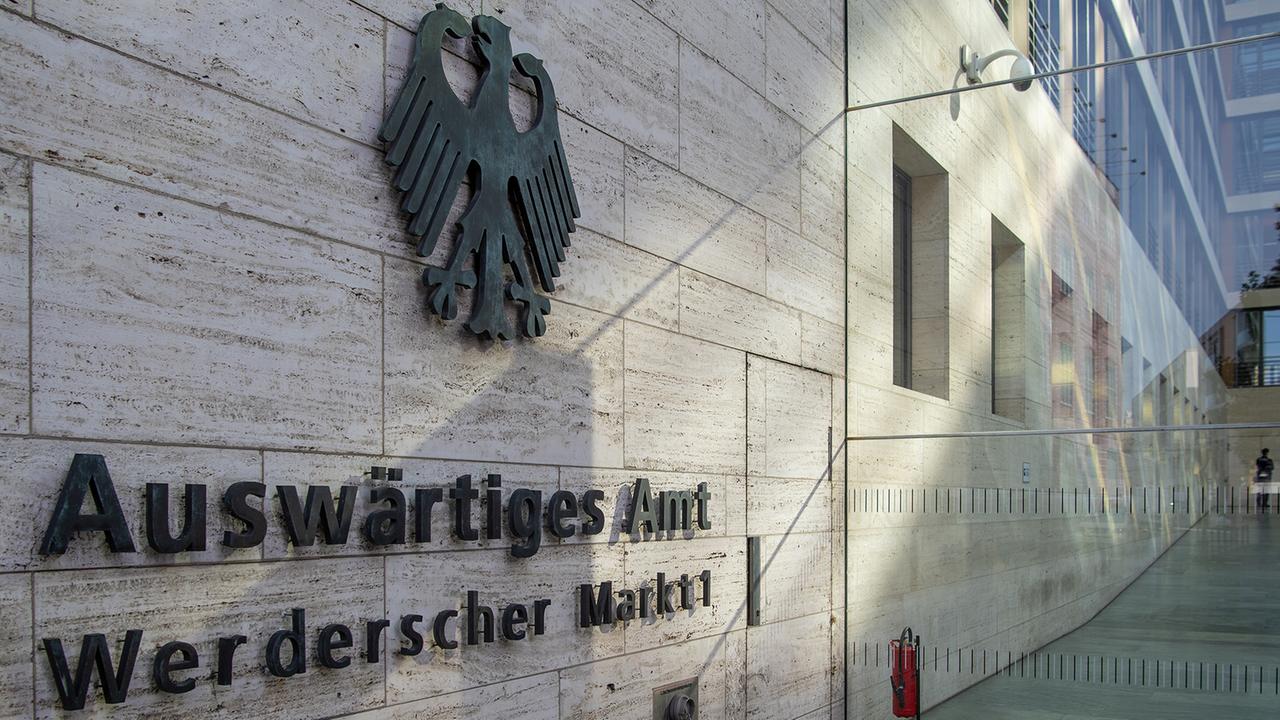
On April 20, 2026, the German government summoned Russia’s ambassador to Berlin following credible intelligence of direct threats against German corporate executives and critical infrastructure, marking a sharp escalation in hybrid warfare tactics that extends the Ukraine conflict into the heart of Europe’s economic engine. This move, confirmed by the Auswärtiges Amt, reflects growing alarm over Kremlin-backed coercion targeting German firms with ties to Ukraine reconstruction or sanctions enforcement—a development that threatens to unravel decades of Ostpolitik pragmatism and force a fundamental reassessment of Germany’s energy, industrial, and security posture in an increasingly fragmented global order.
The summoning is not merely a diplomatic rebuke but a signal flare in a broader pattern of Russian gray-zone aggression. Intelligence shared with NATO allies indicates that Moscow’s campaign extends beyond rhetoric, involving cyber probes against German logistics hubs, disinformation campaigns aimed at undermining public support for Ukraine aid, and documented cases of intermediaries approaching German CEOs with veiled warnings about facility safety or family security. These tactics echo Cold War-era aktive Maßnahmen but are now amplified by digital surveillance and AI-driven profiling, allowing the Kremlin to pressure specific nodes in Germany’s supply chain without triggering Article 5 thresholds. As one senior BND official told Reuters under condition of anonymity, “We’re seeing a shift from broad sanctions evasion to precision targeting of decision-makers—a tactic designed to exploit democratic openness while avoiding direct attribution.”
Historically, Germany’s relationship with Russia has been governed by a delicate balance of interdependence and deterrence, rooted in the 1970 Ostpolitik framework and later reinforced by energy dependencies that saw over 55% of German gas imports flow from Siberia prior to 2022. While the Vollzug des Ukraine-Kriegs severed most formal ties, residual economic linkages persist through intermediaries in Central Asia and shadow fleets operating under flags of convenience. The current escalation suggests Moscow is attempting to exploit these lingering channels—not to restore trade, but to exert political cost on Berlin for its continued military and financial support to Kyiv. This strategy aligns with findings from the German Council on Foreign Relations (DGAP), which warned in March 2026 that “Russia is increasingly treating Western Europe not as a diplomatic interlocutor but as a terrain for asymmetric pressure, where economic coercion serves strategic ends.”
The real danger lies not in the threats themselves, but in their potential to fracture intra-European solidarity. If German firms begin withdrawing from Ukraine-linked projects out of fear, it creates a vacuum that adversaries will exploit—not just Russia, but China, which is already positioning itself as an alternative reconstruction partner.
Macroeconomically, the implications ripple through global markets. Germany’s role as the EU’s largest exporter of machinery, vehicles, and chemical intermediates means that any disruption to its industrial confidence affects supply chains from Detroit to Shanghai. Foreign direct investment inflows into Germany, which averaged €120 billion annually between 2020-2024, have already shown signs of hesitation in Q1 2026, particularly in sectors tied to dual-use technology and critical raw materials. Simultaneously, German exporters are reporting increased demand for political risk insurance and supply chain rerouting services, with Lloyd’s of London noting a 40% year-on-year surge in inquiries from DAX 30 firms regarding coverage for operations in Eastern Europe.
This is where specialized global intermediaries become essential. Multinational corporations navigating this volatile environment are turning to vetted geopolitical risk consultants to map exposure across jurisdictions and develop scenario-based contingency plans. Likewise, firms engaged in Ukraine reconstruction or sanctions compliance are consulting international trade lawyers with expertise in dual-regulation frameworks—balancing EU restrictions with potential liabilities under Russian countermeasures. For logistics operators managing just-in-time deliveries to Central European hubs, partnering with secure freight specialists who integrate real-time threat intelligence with customs optimization is no longer optional but a core component of operational resilience.
The deeper issue transcends bilateral tensions. What we are witnessing is the normalization of sovereign-level intimidation as a tool of statecraft in an era where traditional deterrence models are strained. Germany’s response—measured but unambiguous—sets a precedent for how liberal democracies defend economic sovereignty without escalating to kinetic conflict. Yet the effectiveness of this approach depends on coordinated action: intelligence sharing across EU capitals, harmonized sanctions enforcement, and private-sector readiness to resist coercion through collective action.
As the lines between diplomacy, commerce, and covert influence continue to blur, the need for sophisticated, horizon-scanning expertise has never been greater. For corporations seeking to navigate this recent terrain—where boardroom decisions are increasingly shaped by events in Moscow, Kyiv, and Tallinn—the World Today News Directory remains the essential conduit to the global advisors, legal strategists, and risk architects who turn geopolitical volatility into manageable uncertainty.