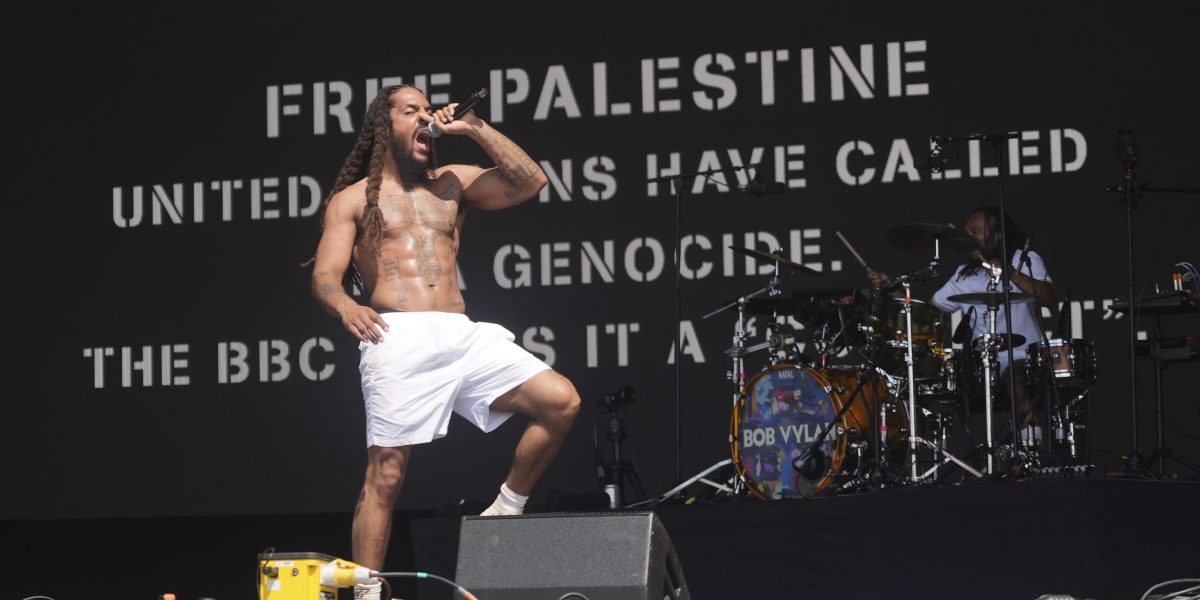
Germany Deports Bob Vylan Frontman Over Pro-Palestine Statements
German federal police detained and deported British punk rap artist Pascal Robinson-Foster—at Berlin’s airport last month due to pro-Palestine statements made during a 2025 performance at the Glastonbury Festival in England, according to government documents and legal filings reviewed by The Intercept.
Border Detention and the Glastonbury Precedent
The enforcement action stems directly from a summer 2025 festival appearance where Robinson-Foster led the crowd in chanting “Death, death to the IDF,” referencing the Israel Defense Forces. According to internal German police files obtained by investigators, authorities claimed the musician disseminated antisemitic narratives and Hamas propaganda that posed a distinct threat to public order and security.
The performance drew swift international backlash. Former U.K. Prime Minister Keir Starmer and several pro-Israel organizations condemned the chant. Felix Klein, Germany’s antisemitism commissioner, characterized the routine as hate speech and incitement, urging local event organizers to cancel upcoming Bob Vylan appearances across the country.
The fallout extended beyond European borders. Robinson-Foster and bandmate Wade Laurence George subsequently lost their U.S. visas. However, Germany remains the first nation to execute a physical entry ban and deportation against a member of the group.
Legal Pushback and the Rescinded Entry Ban
Alexander Gorski, the German attorney representing Robinson-Foster, immediately challenged the measures after his client was blocked from entering the country in June to visit friends and collaborators ahead of a new album release. Gorski filed formal objections with the Federal Police headquarters in Potsdam, demanding access to the underlying threat assessments and the complete removal of the entry ban from national registers.
In late July, federal police reversed course, issuing a two-page letter that rescinded the entry ban. Yet, authorities refused to provide any explanation for why the ban was instituted or why it was subsequently lifted, citing data protection laws and public security interests through Bundespolizei spokesperson Nikolai Jaletzke.
“It is, of course, good that the ban is now lifted,” Gorski stated regarding the sudden reversal. “But from a rule-of-law perspective, it is deeply problematic that someone can be barred from entering the country over a political statement that is not a criminal offence—and then be denied access to the files.”
Navigating complex immigration prohibitions requires consulting an experienced immigration law firm to challenge administrative overreach effectively.
Broader Crackdown on Pro-Palestine Expression in Europe
Legal representatives note that this administrative action reflects a wider pattern across German jurisdictions. Over the past year, municipal authorities in Berlin initiated deportation proceedings against four foreign residents for participating in demonstrations protesting Israel’s military campaign in Gaza. Critics, including Thomas Oberhäuser of the German Bar Association’s executive committee on migration law, argue that immigration statutes are increasingly deployed as tools for political censorship rather than routine border management.
Gorski has previously managed similar high-profile proceedings involving British Palestinian surgeon Ghassan Abu Sitta and former Greek finance minister Yanis Varoufakis, both of whom faced administrative barriers intended to block their entry into Germany for political events.

For Robinson-Foster, the administrative hurdle has left lingering operational complications. Despite the formal lifting of the German ban, he reports ongoing scrutiny at European borders, including questioning by Belgian border officials regarding the Berlin incident.
“It would seem as though the refusal of entry into Germany has now sparked this continued border confusion whenever we try to enter countries,” Robinson-Foster noted. Artists and public figures facing sudden administrative restrictions or cross-border travel blockades often rely on dedicated civil rights legal services to protect their freedom of movement and ensure due process under international law.