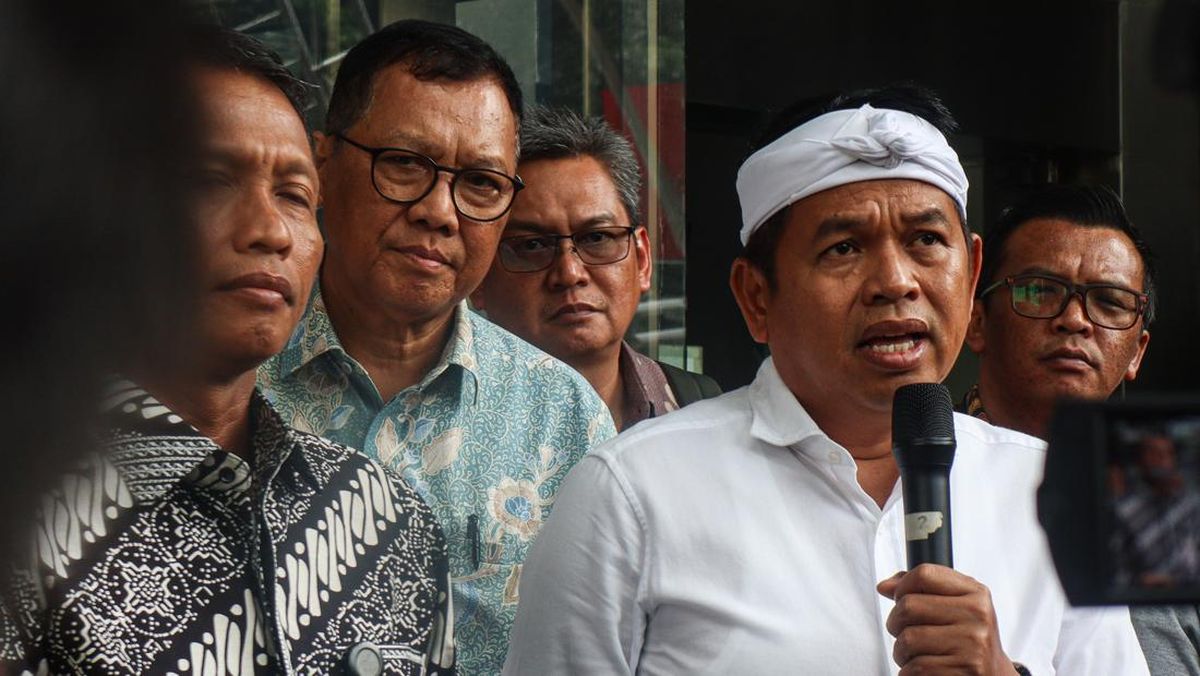
Gerindra Jabar Responds to Dedi Mulyadi PSI Transfer Rumors
As of August 24, 2026, the West Java branch of the Gerindra Party has formally addressed mounting political rumors concerning West Java Governor Dedi Mulyadi. Party leadership confirmed that despite speculation regarding a potential switch to the Indonesian Solidarity Party (PSI), no verifiable indications support a departure, cementing his ongoing role within the central leadership structure under President Prabowo Subianto.
Gerindra Rebuffs Dedi Mulyadi PSI Rumors
Political speculation intensified across regional media platforms following a series of high-profile public appearances by the West Java governor outside his home province. Observers and digital commentators questioned whether his outreach efforts signaled a strategic realignment away from Gerindra. However, regional party officials pushed back against the narrative, describing the rumors as unfounded and disconnected from actual party mechanics.
Leadership Dismisses Assumptions Without Data
According to Buky Wibawa Karya Guna, Deputy Chairman of the DPD Gerindra West Java, party leadership remains unaware of any empirical variables supporting the transfer rumors. Speaking on Monday, August 24, 2026, Buky emphasized that Dedi Mulyadi continues to hold a leadership position as a member of the Central Advisory Board for Gerindra. “I do not know what data and variables form the basis of the assumption that Dedi Mulyadi will migrate to PSI,” Buky stated when contacted by regional reporters.
Furthermore, party representatives noted that Dedi has consistently voiced support for the current national administration. His stated political alignment centers squarely on backing President Prabowo Subianto’s leadership framework. This commitment, according to regional party insiders, undermines any theoretical motivation for a sudden party switch.
Humanitarian Mission Ignites Speculation
The rumor mill gained momentum partly due to Dedi’s frequent field visits to regions outside West Java. Most notably, a recent humanitarian mission to Nusa Tenggara Timur (NTT) following a major earthquake sparked widespread speculation across digital channels. Commentators attempted to frame the disaster-relief trip as a tactical political maneuver designed to build national sympathy ahead of future electoral cycles.

Party defenders, however, rejected this interpretation, pointing to Dedi’s established administrative style. “He is indeed the type of leader who goes directly to the field, not a leader who only works from behind a desk,” Buky explained, noting that the governor’s humanitarian deployment mirrored relief efforts dispatched by regional governments in Jakarta and East Java.
Weighing Political Shifts and Governance
Before his tenure with Gerindra, Dedi Mulyadi served as a member of the Golkar Party, where he previously led the party in West Java. Given his high visibility and persistent presence in digital algorithms—frequently analyzed by political scientists studying modern techno-populism—any movement by the governor commands intense scrutiny from analysts and party strategists alike.

As regional administrative bodies and political actors monitor these developments, local stakeholders emphasize the importance of stable institutional governance.
Ultimately, the leadership of Gerindra West Java maintains that the current relationship between the party and its high-profile governor remains unchanged. Until concrete actions or official announcements supersede these assurances, the rumors surrounding a transition to PSI stand rebuffed by verifiable party structure and direct statements from regional leadership.