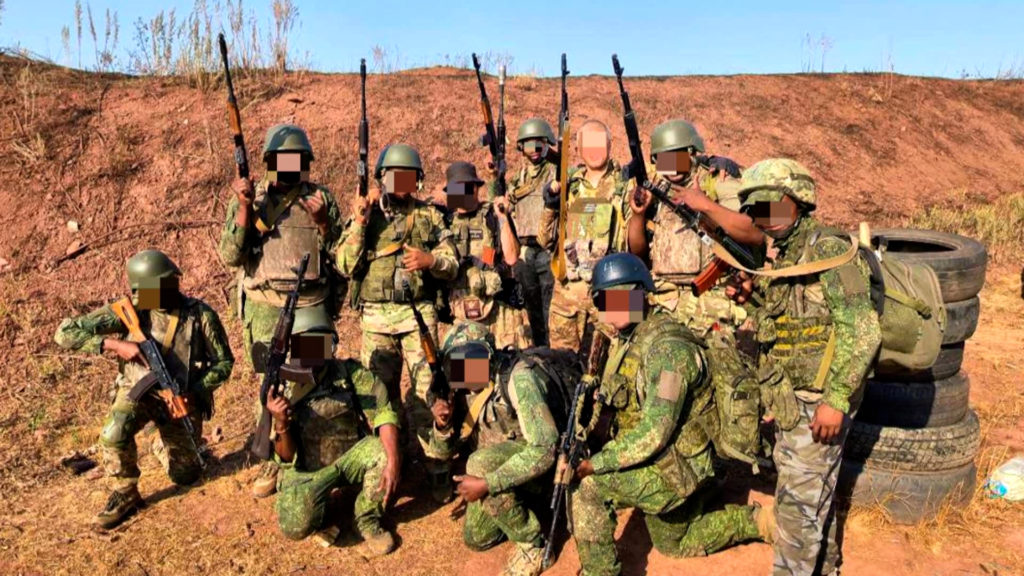
Gerald Arrives in St Petersburg: A Military Cooking Career
Russia is recruiting African nationals under the guise of civilian employment, only to deploy them as combatants on the front lines of the Ukraine war, according to an investigation by PBS. These recruits, often promised roles as cooks or laborers, are reportedly forced into active combat zones after arriving in Russia.
The deception creates a precarious legal and humanitarian crisis for the families left behind in Africa. When recruits disappear into the Russian military apparatus, their families lose both a breadwinner and a clear point of contact for repatriation. This systemic recruitment gap leaves survivors needing specialized international human rights lawyers to challenge fraudulent contracts and negotiate with foreign ministries for the return of missing persons.
How the recruitment deception works
The process typically begins with promises of high-paying civilian jobs in Russia. One recruit, Gerald, informed his relative, Peter Kamau, that he would be working as a cook in the military after arriving in St. Petersburg. This framing suggests a support role, far removed from the kinetic violence of the front lines.
Once they arrive on Russian soil, the reality shifts. Recruits are transitioned from civilian status to active military duty, often without their consent or a clear understanding of the risks. They are then transported to the conflict zones in Ukraine. Because these individuals are often recruited through intermediaries or private networks, they lack the legal protections afforded to official state soldiers.
The vulnerability of these recruits is tied to economic instability in their home countries. Russia leverages this by offering salaries that dwarf local wages, creating a powerful incentive for young men to overlook the risks of traveling to a foreign conflict zone.
The impact on African families and regional stability
The human cost extends far beyond the battlefield. Families in Kenya, Mali, and other African nations are left in a state of limbo, unable to verify if their relatives are alive or deceased. The lack of official documentation for these “civilian” recruits means that when they are killed in action, there is often no formal notification sent to their home countries.
This trend mirrors the activities of the Wagner Group and other Russian paramilitary organizations that have established a presence across the Sahel region. By integrating foreign nationals into their ranks, Russia not only bolsters its numbers but also embeds its influence within the social fabrics of African communities.
The legal vacuum surrounding these contracts is immense. Many recruits sign documents they cannot read or are coerced into agreements that waive their right to leave. Families seeking to recover their loved ones often find that local embassies are ill-equipped to handle the complexities of Russian military law. In these instances, accessing consular assistance services becomes the only viable path toward locating a missing family member.
Comparing the Russian recruitment model to global precedents
The current strategy differs from traditional foreign legion models. While countries like France historically recruited foreign nationals for the French Foreign Legion, those recruits typically sign explicit military contracts with a clear understanding of their combat status. In the case of the African recruits in Ukraine, the “bait-and-switch” from civilian cook to front-line infantry is a defining characteristic.
According to United Nations reports on human trafficking and forced labor, the movement of people under false pretenses for the purpose of exploitation—including forced combat—meets several criteria for human trafficking. The use of economic desperation as a tool for military mobilization is a tactic that has seen a resurgence in the 21st century, particularly in regions where state governance is weak.
The geopolitical fallout is significant. By utilizing African soldiers, Russia minimizes the political cost of casualties among its own ethnic Russian population, effectively outsourcing the death toll of the war to the Global South.
What happens to the survivors?
For those who survive the front lines, the path home is rarely straightforward. Many find themselves trapped in Russia, unable to leave due to the loss of passports or the threat of imprisonment for desertion. The transition from a combat zone back to civilian life in Africa is often fraught with untreated psychological trauma and physical disability.

Returning veterans often lack access to the medical infrastructure needed to treat war-related injuries. This creates a secondary crisis of public health in their home municipalities. Community leaders are increasingly calling for the establishment of veterans support organizations to provide the specialized psychiatric and physical rehabilitation these men require.
The cycle of recruitment continues as long as the economic disparity remains. As long as a “job in St. Petersburg” sounds like a ticket to financial freedom, the pipeline of recruits will persist despite the mounting evidence of the danger involved.
The tragedy of the African soldier in Ukraine is not merely a story of war, but a story of systemic exploitation. It is a warning that in the intersection of global conflict and economic desperation, the most vulnerable are often the first to be sacrificed. For those currently searching for missing relatives or fighting the legal battles to bring a soldier home, the only solution is to move beyond hope and secure professional, verified legal and diplomatic intervention via the World Today News Directory.