
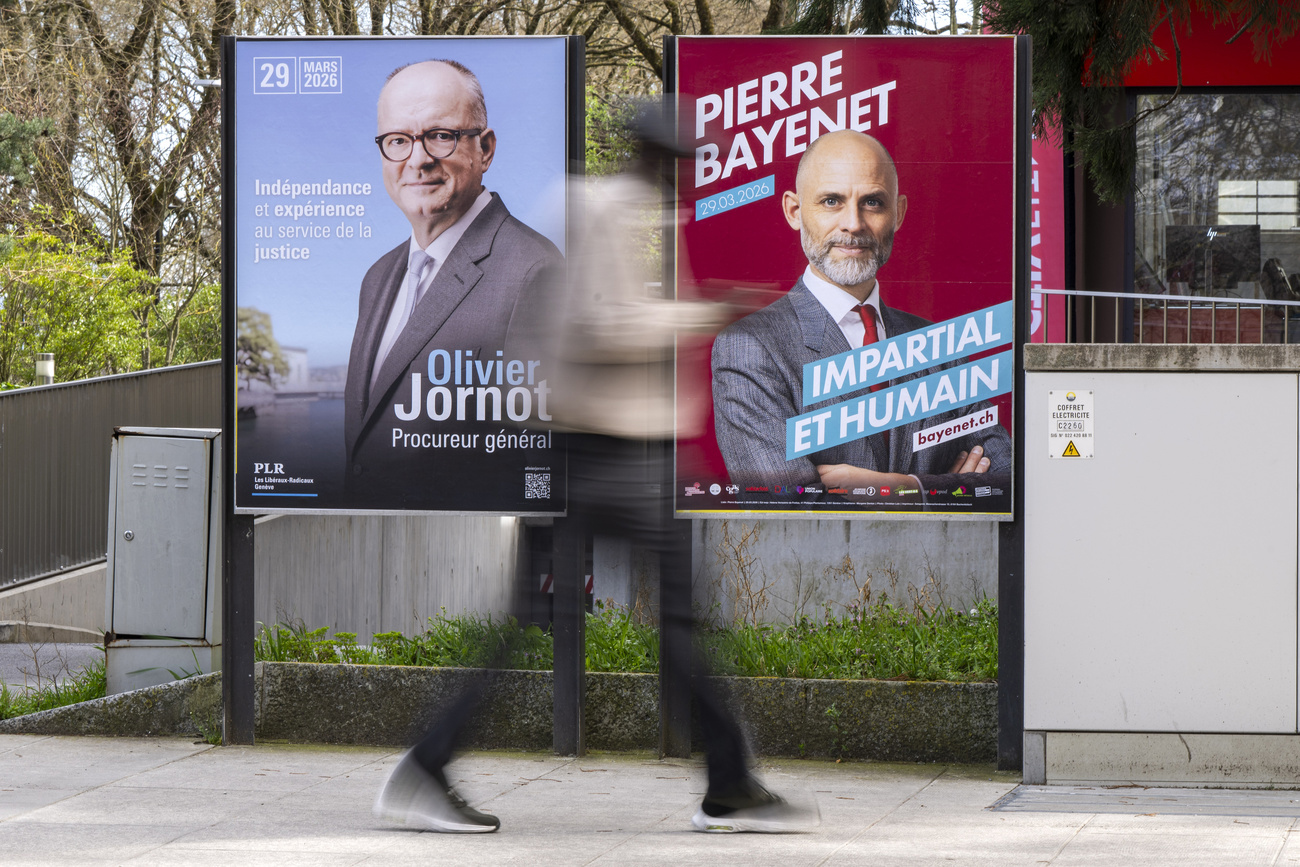
Geneva Prosecutor Election: Low Turnout & Penal Policy Concerns
Geneva faces a strikingly low level of public engagement as the election for its next Attorney General approaches, with participation rates hovering just below 20% nine days before the first round of voting on March 29th. The lack of interest, observers say, stems from a widespread belief that criminal justice policy has little direct impact on daily life, despite the Attorney General’s authority over matters such as fine amounts across various domains.
The upcoming election presents a clear choice between incumbent Olivier Jornot, a member of the PLR (Liberal Party), and challenger Pierre Bayenet, backed by the left-wing SolidaritéS party. This is the first contested election for the position since 2014, when Jornot defeated Bayenet, and marks a significant departure from the tacit re-elections Jornot enjoyed in subsequent terms.
Jornot, who has held the post since 2012, openly embraces a firm approach to law enforcement. He asserts his authority in shaping the canton’s criminal justice policies, issuing directives that guide prosecutors in their daily operate. Beyond broad policy, the Attorney General also negotiates priorities with the Councillor of State responsible for police, effectively defining a vision of society that extends beyond purely legal considerations.
Bayenet, in contrast, promises a less punitive justice system, arguing that his approach would lead to fewer incarcerations. The election offers an opportunity to scrutinize the role and scope of the Attorney General’s power, and to question the current direction of criminal justice in Geneva.
Critics of Jornot argue that his policies disproportionately impact vulnerable populations and activists, leading to convictions for minor offenses. Concerns have been raised that the pursuit of legal compliance can result in the criminalization of poverty and dissent. Jornot’s career began 40 years ago in the far-right Vigilance party before he moved to the Liberal Party and served in the Geneva Parliament.
A proposed law currently under consideration in the Geneva legislature seeks to limit the Attorney General to a maximum of two terms, or twelve years in office. This initiative, spearheaded by Deputy Skender Salihi of the MCG party, arrives as Jornot seeks a third mandate, potentially extending his tenure to nearly two decades. Salihi argues that such longevity risks entrenching a single approach to criminal justice and hindering democratic accountability.
The election between Jornot and Bayenet represents a fundamental clash of ideologies regarding the purpose and practice of criminal justice in Geneva. The outcome will determine not only who leads the public prosecutor’s office, but also the direction of the canton’s legal and social policies for years to approach.
The next scheduled step is the election on March 29th, where the citizens of Geneva will cast their votes.