
GENEROUS Model: Impact on Medicaid Drug Costs and Savings
The intersection of clinical efficacy and financial accessibility remains one of the most volatile pressure points in the American healthcare system. When the cost of a life-saving therapeutic exceeds a patient’s or a state’s capacity to pay, the result is not merely a budgetary shortfall but a direct increase in morbidity through cost-related non-adherence.
Key Clinical Takeaways:
- The GENEROUS Model utilizes CMS-led negotiations to secure supplemental rebates, aligning Medicaid drug prices with those paid in other select countries.
- Participation is voluntary for both drug manufacturers and states, with manufacturer application deadlines set for June 11, 2026.
- A White House report estimates that a voluntary “most-favored-nation” framework could save $64.3 billion over a ten-year period.
The systemic disparity in pharmaceutical pricing creates a precarious environment for public health. In the United States, the cost of prescription drugs is frequently three times higher than in comparable nations, a gap that places an immense burden on the Medicaid program. This financial strain is evident in the data: net Medicaid drug spending reached $60 billion in 2024, marking a $10 billion increase from 2022. For the clinician, this economic volatility translates to a struggle to maintain the standard of care for the most vulnerable populations, as high costs often lead to skipped doses or the abandonment of necessary prescriptions.
The Architecture of the GENEROUS Model
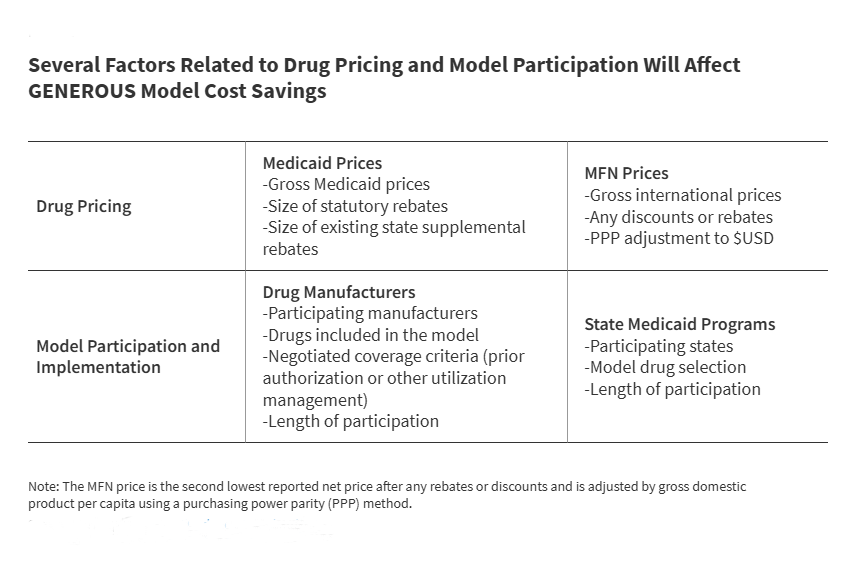
To mitigate these rising costs, the Centers for Medicare & Medicaid Services (CMS) developed the GENEROUS (GENErating cost Reductions fOr U.S. Medicaid) Model. This initiative is rooted in the “most-favored-nation” (MFN) pricing philosophy, which posits that the U.S. Government should not pay more for a drug than other comparable nations. By negotiating supplemental rebates, CMS aims to bring the net price of Medicaid drugs in line with international benchmarks.
The model, which launched in January 2026 and is slated to run for five years, functions as a voluntary mechanism. Manufacturers interested in participating must submit their applications by June 11, 2026, while participating states have until September 10, 2026, to apply. This voluntary structure is designed to incentivize manufacturers through a framework of cooperation rather than mandate, though the specific details of some underlying MFN agreements—including commitments in exchange for reprieves from tariffs—remain confidential.

“The shift toward international reference pricing represents a fundamental pivot in pharmacoeconomics. By decoupling U.S. Pricing from domestic market fluctuations and anchoring it to global averages, we are essentially treating drug pricing as a public health utility rather than a traditional commodity.”
For pharmaceutical entities, this shift necessitates a rigorous internal audit of pricing strategies and rebate structures. Navigating these new CMS-led negotiations requires specialized expertise to ensure that participation does not conflict with existing contractual obligations. Many manufacturers are currently engaging healthcare compliance attorneys to manage the regulatory complexities of the RFA process and ensure operational transparency.
Clinical Implications of Drug Affordability
From a clinical perspective, the GENEROUS Model is more than a fiscal exercise; it is a strategy to improve therapeutic adherence. When medications are prohibitively expensive, patients often engage in “rationing,” which can lead to the exacerbation of chronic conditions and an increase in avoidable emergency department visits. By reducing Medicaid spending and potentially improving access to essential medications, the model seeks to lower the overall burden of disease within the Medicaid population.
The biological impact of consistent medication adherence is well-documented in PubMed and other peer-reviewed repositories. For instance, in the management of chronic endocrine or cardiovascular disorders, the failure to maintain a steady-state concentration of a drug in the bloodstream can lead to therapeutic failure and increased morbidity. By stabilizing the cost of these agents, the GENEROUS Model supports the sustainability of the Medicaid program, allowing states greater flexibility to invest in other critical health resources.
However, the long-term efficacy of this model remains subject to several variables. While the White House estimates significant savings, these may diminish over time if prices in the reference countries increase. The actual impact on patient outcomes will depend heavily on which specific drugs are included in the model and the willingness of manufacturers to offer deep rebates.
Patients navigating the complexities of Medicaid coverage during this transition may find themselves caught between changing formularies and pricing tiers. To avoid gaps in care, it is essential for beneficiaries to work with Medicaid patient advocates or specialized case managers who can help them transition to lower-cost alternatives without compromising clinical outcomes.
Sustainability and the Future of Medicaid Pharmacoeconomics
The GENEROUS Model represents a bold attempt to rectify a long-standing imbalance in the global pharmaceutical market. By leveraging the collective bargaining power of CMS, the federal government is attempting to implement a system of reference pricing that has long been a staple of healthcare systems in Europe and Canada, as outlined in various World Health Organization reports on medicine pricing.

The success of this five-year pilot will likely dictate the future of drug procurement in the U.S. If the model successfully reduces net spending without restricting the availability of cutting-edge therapeutics, it could provide a blueprint for broader pricing reforms across all federal health programs. The focus must remain on the patient: the ultimate metric of success is not the billions saved in the federal budget, but the reduction in morbidity among those who rely on Medicaid for their primary care.
As we move toward the September 2026 state application deadline, the healthcare community must remain vigilant. The goal is a balanced ecosystem where innovation is rewarded, but not at the expense of the patient’s ability to access the standard of care. For providers and administrators seeking to optimize their pharmacy benefit management or ensure their clinic is compliant with evolving Medicaid guidelines, consulting with vetted regulatory consultants is the most prudent path forward.
The trajectory of the GENEROUS Model suggests a future where the U.S. Is no longer an outlier in drug pricing. While the transition may be fraught with confidentiality hurdles and manufacturer hesitation, the potential to save billions and improve millions of lives makes this a critical evolution in public health infrastructure.
Disclaimer: The information provided in this article is for educational and scientific communication purposes only and does not constitute medical advice. Always consult with a qualified healthcare provider regarding any medical condition, diagnosis, or treatment plan.