
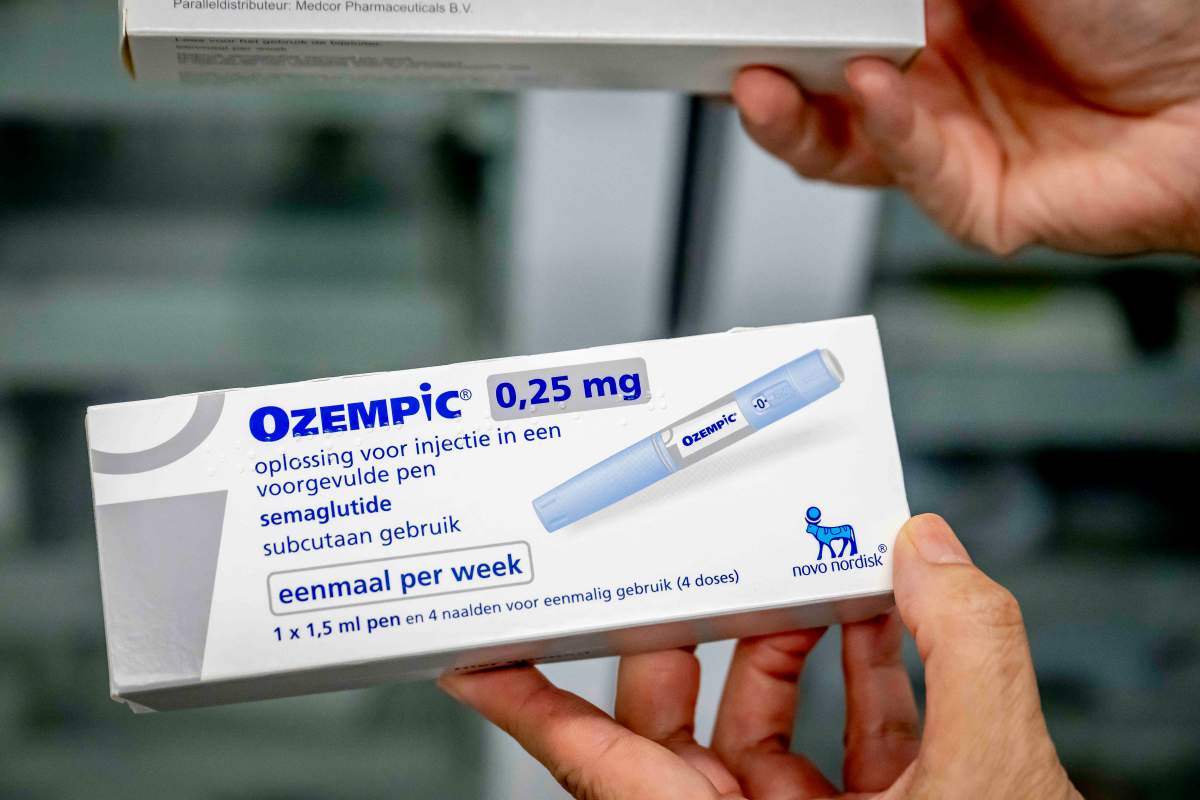
Generic Ozempic & Weight Loss Drugs: Cheaper Options Arrive This Summer
Generic GLP-1 agonists are scheduled for Canadian distribution by Summer 2026, marking a critical inflection point for the global obesity pharmaceutical market. As patent protections on semaglutide expire, incumbent giants face immediate revenue compression while generic manufacturers prepare for volume scaling. This shift forces a strategic pivot in supply chain logistics and intellectual property defense across North America.
The arrival of biosimilar weight-loss treatments on Canadian shelves is not merely a consumer headline; it is a fiscal event that will ripple through balance sheets from Copenhagen to Indianapolis. For the incumbents, specifically Novo Nordisk and Eli Lilly, the erosion of exclusivity represents a potential billions-dollar headwind. For the broader market, it signals a transition from scarcity-driven pricing to volume-driven logistics. The immediate problem for generic entrants is not demand—it is guaranteed—but rather the complexity of scaling sterile injectable manufacturing to meet a sudden surge in volume without compromising quality control standards.
Mid-market pharmaceutical players and regional distributors are already engaging specialized supply chain consultants to audit their cold-chain capabilities. The margin for error in biologics distribution is non-existent; a single temperature excursion can render a batch worthless, turning a profitable quarter into a write-down.
The Valuation Reset and Patent Cliff Dynamics
Market analysts have long anticipated this specific window. According to data extrapolated from recent Novo Nordisk investor relations filings, the reliance on semaglutide for top-line growth has created a concentration risk that institutional investors are now pricing in. When a single molecule accounts for such a disproportionate share of EBITDA, the expiry of its patent acts as a valuation multiple compressor.

We are seeing a divergence in strategy. While the giants double down on next-generation oral formulations to retain premium pricing, the generic market is preparing for a race to the bottom on cost-per-dose. This dynamic creates a unique arbitrage opportunity for private equity firms looking to acquire distressed assets or niche manufacturing capabilities that can be repurposed for high-volume generic production.
“The market is mispricing the speed of generic adoption in Canada. Regulatory pathways are clearing faster than anticipated and the margin compression will be felt in Q3 earnings, not Q4.” — Senior Healthcare Analyst, Global Institutional Research
The fiscal impact extends beyond the drug manufacturers. Pharmacy benefit managers (PBMs) and retail chains are recalibrating their formularies. The introduction of a lower-cost alternative forces a renegotiation of rebate structures that have propped up net prices for years. This is where the complexity lies for corporate treasuries: managing the cash flow volatility during the transition from brand-exclusive to mixed-market dynamics.
Manufacturing Bottlenecks and the CDMO Surge
Producing a generic version of a complex peptide like semaglutide is not analogous to synthesizing small-molecule aspirin. It requires sophisticated bioreactor capacity and precise purification processes. The industry is currently facing a bottleneck in available Contract Development and Manufacturing Organization (CDMO) capacity.
- Capacity Constraints: Existing sterile fill-finish lines are operating at near 100% utilization, driving up contract manufacturing rates by an estimated 15-20% year-over-year.
- Raw Material Sourcing: The supply chain for specific amino acids and reagents required for peptide synthesis remains tight, creating leverage for upstream chemical suppliers.
- Regulatory Lag: While Health Canada has greenlit the generics, the physical infrastructure to produce them at scale requires lead times that often exceed 18 months.
To mitigate these risks, generic entrants are aggressively seeking partnerships with established biopharma contract manufacturers who possess validated sterile processing facilities. The cost of building new capacity from the ground up is prohibitive for all but the largest players, making M&A activity in the CDMO sector a likely outcome of this summer’s launch.
Intellectual Property Defense and Litigation Risks
Even as generics prepare to launch, the legal battlefield remains active. Incumbent pharmaceutical companies rarely surrender market share without a fight, often utilizing “evergreening” tactics or filing secondary patents on delivery devices and formulation methods to delay generic entry.
For the generic manufacturers, the cost of legal defense is a significant line item in their pre-launch budget. A single injunction can delay a launch by months, costing millions in lost revenue and inventory write-offs. We are seeing a surge in retainers for specialized IP litigation firms capable of navigating the specific nuances of Paragraph IV certifications and biosimilar regulatory pathways.
The risk is asymmetric. For a generic company, a failed launch due to litigation is an existential threat. For the brand company, it is a delay tactic that preserves high-margin revenue for another fiscal quarter. This dynamic ensures that the legal sector will remain a primary beneficiary of the GLP-1 wars, regardless of which side wins the shelf-space battle.
The Strategic Outlook for Q3 and Q4
As we move toward the summer launch window, the focus shifts from regulatory approval to commercial execution. The companies that win will not necessarily be those with the lowest price, but those with the most resilient supply chain and the strongest legal shielding.
Investors should watch the inventory levels of major distributors closely. A buildup of finished goods without corresponding sales velocity could indicate channel stuffing or unexpected regulatory friction at the point of sale. Conversely, a rapid drawdown of inventory would signal that the Canadian market is absorbing the generic volume faster than models predict, potentially accelerating the timeline for US market entry.
The arrival of generic weight-loss drugs is a stress test for the entire healthcare value chain. It exposes weaknesses in manufacturing scalability, highlights the critical nature of IP portfolios, and forces a reevaluation of revenue models dependent on exclusivity. For B2B service providers, this volatility is not a risk to be managed, but a revenue stream to be captured. Whether through logistics optimization, legal defense, or manufacturing scale-up, the infrastructure supporting this market shift is where the real alpha lies for the remainder of the fiscal year.