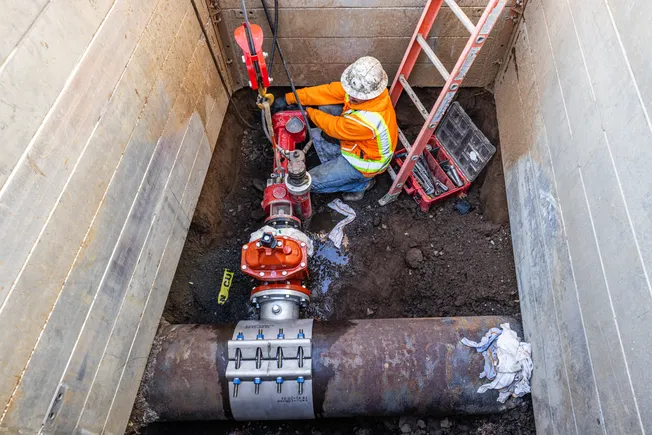
Generating Clean Energy Using In-Pipe Hydro Turbines in City Water Systems
Municipal water systems are exploring in-pipe hydro generators as a viable renewable energy source to offset utility overhead and reduce fossil fuel dependency, according to reporting by Facilities Dive. By installing mini hydro turbines into municipal drinking water networks and gravity-fed pipelines, city operators can capture excess pressure without disrupting water delivery to homes and businesses.
Skagit Public Utility District Demonstrates In-Pipe Hydro Viability
Real-world deployments are moving past the theoretical stage. Mount Vernon, Washington’s Skagit Public Utility District has operated an in-pipe hydro generator since 2020. The system runs approximately 20 hours daily.
That installation generates between 16 and 18 kilowatts of electricity. General Manager George Sidhu stated that the setup offsets roughly $1,000 in monthly utility costs, with the underlying technology projected to pay for itself in about eight years.
Expanding on these initial operational savings, the utility district is designing future integrations. Plans are underway to route power generated from drinking water infrastructure to nearby municipal facilities, including a local high school.
Engineering Mechanics of In-Pipe Energy Generation
Commercial deployments rely on specialized hardware designed to replace conventional infrastructure components. Systems provided by firms like InPipe Energy utilize microturbines that bypass or replace standard pressure relief valves in municipal water grids.
Gravity-based and pressurized water networks require pressure regulation to ensure safe delivery to end users. InPipe Energy leverages friction as a regulatory mechanism while simultaneously spinning an internal microturbine to produce electrical current.
Implementing these systems requires meticulous engineering analysis. Providers typically take municipal clients through a seven-step process, mapping existing infrastructure suitability against anticipated energy yields to assist municipal stakeholders in securing grants.
Global Research Into Net-Zero Infrastructure Integration
Academic researchers are evaluating how mini hydro systems fit into broader net-zero urban strategies. Experimental designs examine multi-tier turbine installations within vertical infrastructure, such as multi-story buildings supplied by elevated rooftop storage tanks.

Studies investigating high-rise distribution models have tested vertical pipeline configurations featuring tightly spaced microturbines. These experimental frameworks incorporate acoustic noise dampening and automated energy management systems to maintain efficient flow dynamics.
While experimental high-density setups target specific building typologies, municipal deployment remains focused on existing distribution main lines and pressure reduction stations.
Municipalities evaluating clean energy transitions must balance initial capital outlays against predictable long-term utility offsets.