
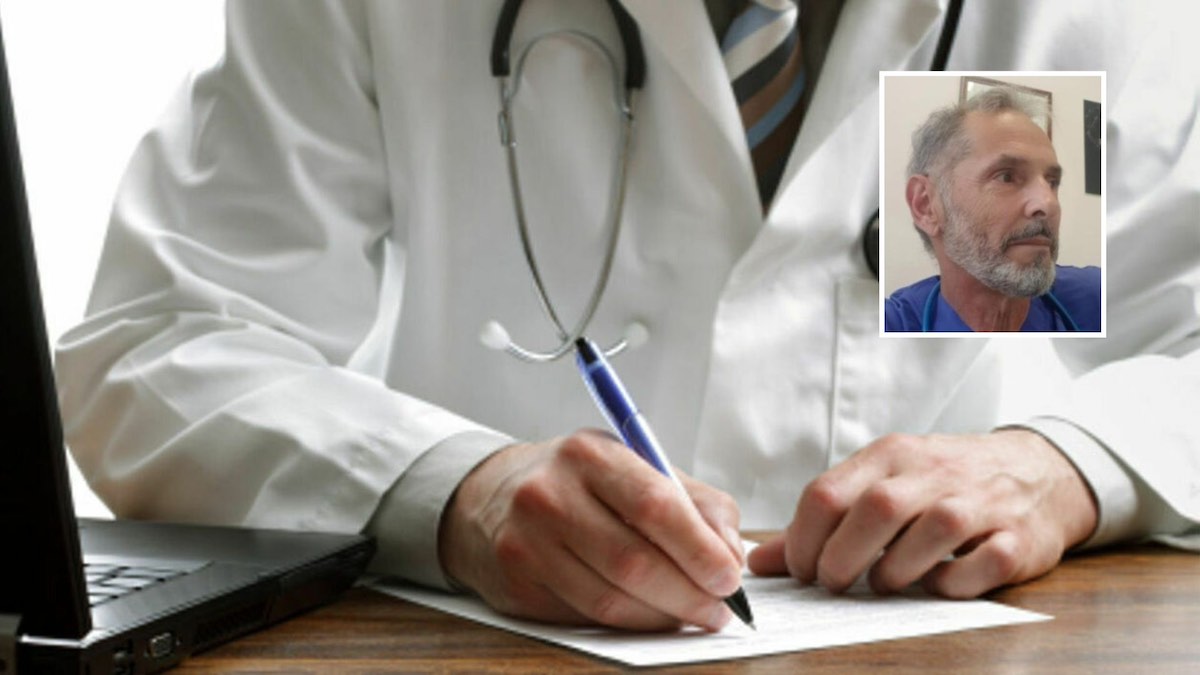
Overwhelmed GPs & Rising “Health Consumerism” fuel Diagnostic Exam Surge & Long Wait Times
A growing trend of patients arriving at general practitioners wiht pre-persistent diagnoses and demands for specific tests is overwhelming family doctors and contributing to unnecessarily long wait times for specialist appointments and diagnostic imaging, according to Dr. Enzo Bozza of Belluno. “Our studies have become supermarkets,” Dr. Bozza told Corriere del Veneto, lamenting that patients often “think they can come to shop shopping based on what they read on the internet, to self-diagnosis.”
The situation is driving a surge in diagnostic requests, with estimates suggesting up to 40% of imaging tests - including CT scans and MRIs - are “inappropriate,” according to Nicoletta gandolfo, President of the Italian Society of Medical Radiology and Interventional. “They are excess or useless exams,” she stated.
Dr.Bozza, who cares for over 1,600 patients in the Belluno area, reports seeing 50-70 patients daily, with 80% arriving with specific requests. “They do not rely on me for the diagnosis, he already knows which specialists to consult and what exams to face,” he explained. This “health consumerism” leads patients to believe everything is serious and urgent, even when it isn’t, further exacerbating the strain on the system.
The pressure on GPs is compounded by limited resources and staffing. Faced with insistent patient demands, many doctors feel compelled to prescribe unnecessary tests to “avoid complaints,” as one physician explained. This, in turn, benefits private clinics offering “intramoenia” services – periods of free professional practice within public hospitals, paid for directly by the patient - and supplements the often-modest salaries provided by public health companies. As Dr. Bozza put it, “private clinics do Golden Affairs with the impatience of patients.”
The situation highlights a critical need to restore “dignity and tools to local medicine” and rebuild the relationship of trust between doctors and patients, emphasizing the importance of the GP’s role in discerning genuine medical needs and urgencies.
