Gene therapy restores partial vision in blind patients, reports Hürriyet
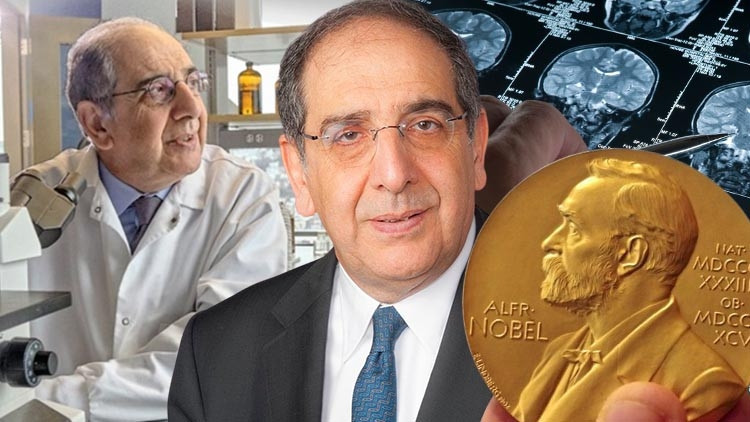
On October 10, 2026, researchers announced that a gene therapy combined with specialized smart glasses successfully restored partial, black-and-white vision in patients suffering from advanced blindness caused by retinitis pigmentosa, according to reports in Hürriyet. The milestone follows the awarding of the 2026 Nobel Prize in Physiology or Medicine to Karl Deisseroth, Peter Hegemann, and Georg Nagel for their foundational discoveries in optogenetics, a technique that allows scientists to control neural activity using light-sensitive proteins derived from microbes.
- Optogenetic gene therapy uses light-sensitive microbial proteins, such as channelrhodopsin or ChrimsonR, delivered via viral vectors to make surviving retinal cells responsive to light.
- Clinical data shows that out of 10 advanced retinitis pigmentosa patients tracked in recent trials, 6 to 7 experienced meaningful improvements in light sensitivity and basic skills like finding doorways.
- Beyond ophthalmology, preclinical animal models suggest the technology may help reactivate lost memories in Alzheimer’s research and eliminate drug-seeking behaviors in addiction studies.
Clinical Results of the 2026 Retinitis Pigmentosa Trial
The breakthrough builds on human trials initiated in 2021. Concurrently, reporting noted that 6 of the study participants regained the ability to perceive their surroundings using the optogenetic treatment paired with specialized smart glasses. The international collaboration behind this human trial includes the Vision Institute and Quinze-Vingts Hospital in Paris, the Basel Molecular and Clinical Ophthalmology Institute in Switzerland, the University of Pittsburgh, and the biotechnology firm GenSight Biologics.
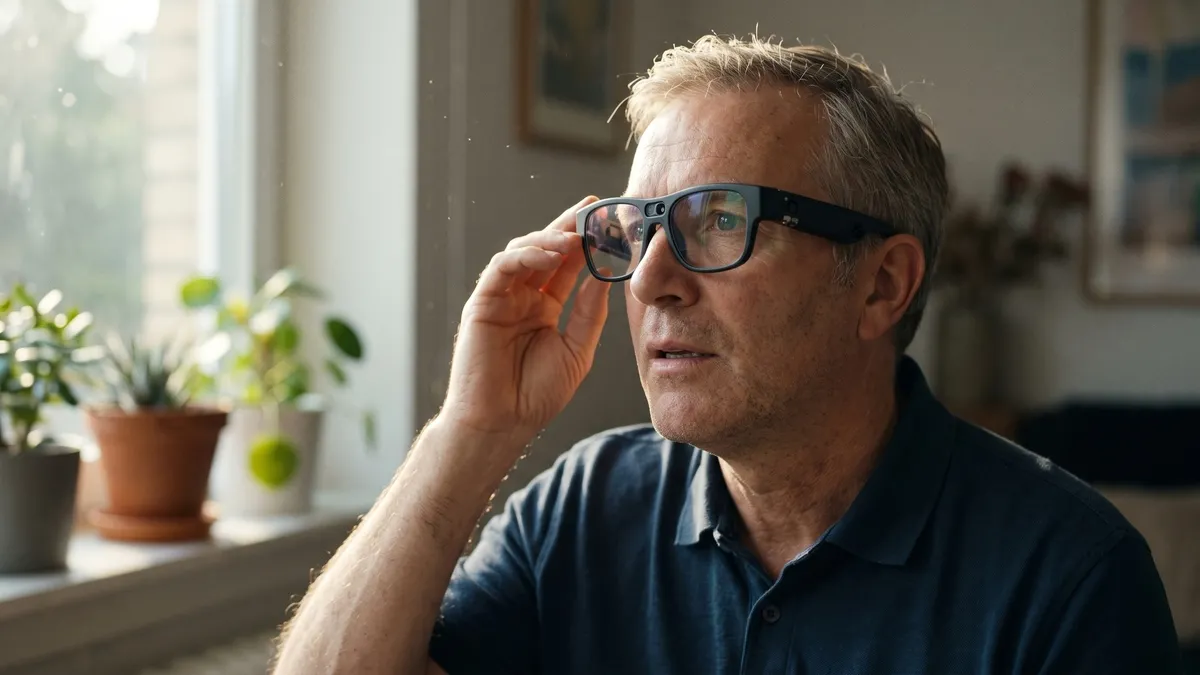
Additional details indicate that the Phase 1 clinical trial administered a single-dose intraocular injection carrying the genetic code for ChrimsonR, a protein sensitive to amber light, into the more affected eye of each adult participant. While patients did not regain high-acuity natural vision or facial recognition, six out of ten participants demonstrated clinically meaningful improvements in light sensitivity. They could locate doorways, track pathways on the floor, and identify the positions of everyday objects.
Expanding Optogenetics to Alzheimer and Addiction Research
The applicability of optogenetics extends far beyond repairing retinal degeneration. Biotechnology expert Dr. Semih Tareen evaluated the broader neurological potential of light-gated neural control, noting its efficacy in animal models for dementia and substance dependence, as reported by Hürriyet. By introducing light-sensitive ion channels into specific neural circuits via genetic engineering, researchers can use fiber-optic cables to trigger ion exchange and activate targeted neurons.
In experimental mouse models of memory loss mimicking Alzheimer’s disease, optical stimulation successfully re-engaged dormant neurons to help subjects retrieve forgotten fear-conditioning memories. Similarly, experiments involving rats trained to press levers for drug rewards demonstrated that illuminating specific reward-processing neural pathways eliminated the drug-seeking behavior entirely. While these psychiatric applications remain confined to preclinical animal studies, commercial entities such as MapLight Therapeutics—founded by Nobel laureate Karl Deisseroth—are actively advancing translational pipelines toward human clinical evaluation, according to Hürriyet.

Despite the rapid translation of optogenetic tools from algal microbiology to human clinical trials, significant hurdles remain. Current visual restorations provide partial, monochrome perception rather than functional restoration of complex visual scenes. Researchers must also determine whether early-stage intervention before extensive retinal degeneration occurs will yield superior functional outcomes compared to treating end-stage disease. As clinical investigators prepare for broader patient cohorts, the long-term safety profile and durability of single-administration microbial vector therapies continue to undergo rigorous evaluation.
Disclaimer: The information provided in this article is for educational and scientific communication purposes only and does not constitute medical advice. Always consult with a qualified healthcare provider regarding any medical condition, diagnosis, or treatment plan.