Gaza Humanitarian Crisis Deepens as 94% Need Shelter Amid Israel’s Lebanon Operations
According to United Nations reporting, 94 per cent of households in the Gaza Strip urgently require shelter assistance amid ongoing military operations, while the Israel Defense Forces simultaneously accelerate structural demolitions in Lebanon. The compounding humanitarian crisis leaves residents grappling with extreme weather and infrastructure collapse.
The Scope of the Shelter and Infrastructure Crisis in Gaza
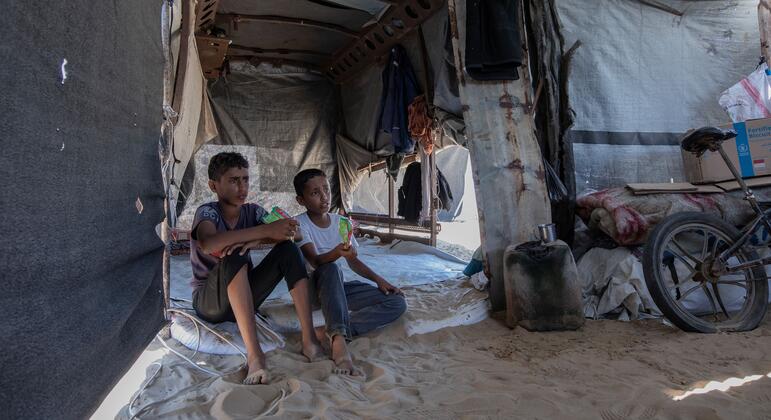
Months of persistent military action have left the Gaza Strip in a state of profound structural devastation. Data from the Norwegian Refugee Council highlights that 94 per cent of households now lack adequate shelter, forcing displaced families into overcrowded, substandard conditions. According to Al Jazeera and Daily Sabah, extreme summer heat and severe water scarcity have made daily life exceptionally dangerous, taking a severe physical toll on children and vulnerable residents who face daily struggles just to secure clean drinking water.
International Committee of the Red Cross reports emphasize that the daily struggle for a dignified life continues for Palestinians in Gaza. Families routinely sleep in makeshift tents that offer little protection against soaring regional temperatures.
Demolitions and Security Zones Along the Lebanese Border
While humanitarian needs deepen in the south, the northern frontier sees a parallel escalation. According to UN News, the Israel Defense Forces have ramped up demolitions in Lebanon. This military engineering activity mirrors historical patterns along the frontier. Archival analysis from the Middle East Forum notes that previous security zones established in southern Lebanon during the late 20th century were designed to create physical insulation layers against cross-border attacks, though they frequently resulted in protracted guerrilla conflict and massive displacement before unilateral withdrawals.

Diplomatic efforts to de-escalate the Lebanese front have yielded mixed results. Talks hosted at the United States Embassy in Rome, as reported by Vatican News, focused on establishing pilot zones where Israeli forces would withdraw in favor of the Lebanese Armed Forces, provided that Hezbollah forces also vacated the sector.
Political Shifts and Diplomatic Impediments
Both operational theaters remain tightly bound to shifting domestic political landscapes. Vatican News notes that Israel faces parliamentary elections scheduled for October, a vote that follows the formal dissolution of the Knesset. Prime Minister Benjamin Netanyahu has sought broader coalition arrangements amid ongoing cabinet realignments.
As diplomatic channels struggle to secure lasting ceasefires, the immediate reality for civilians remains unchanged. Residents continue to endure extreme environmental conditions without access to stable housing or foundational utilities. The long-term habitability of both southern Lebanon and the Gaza Strip hangs in the balance as regional actors weigh military objectives against an unfolding human catastrophe.
The convergence of widespread displacement and continuous infrastructure destruction underscores the urgent need for professional intervention.