
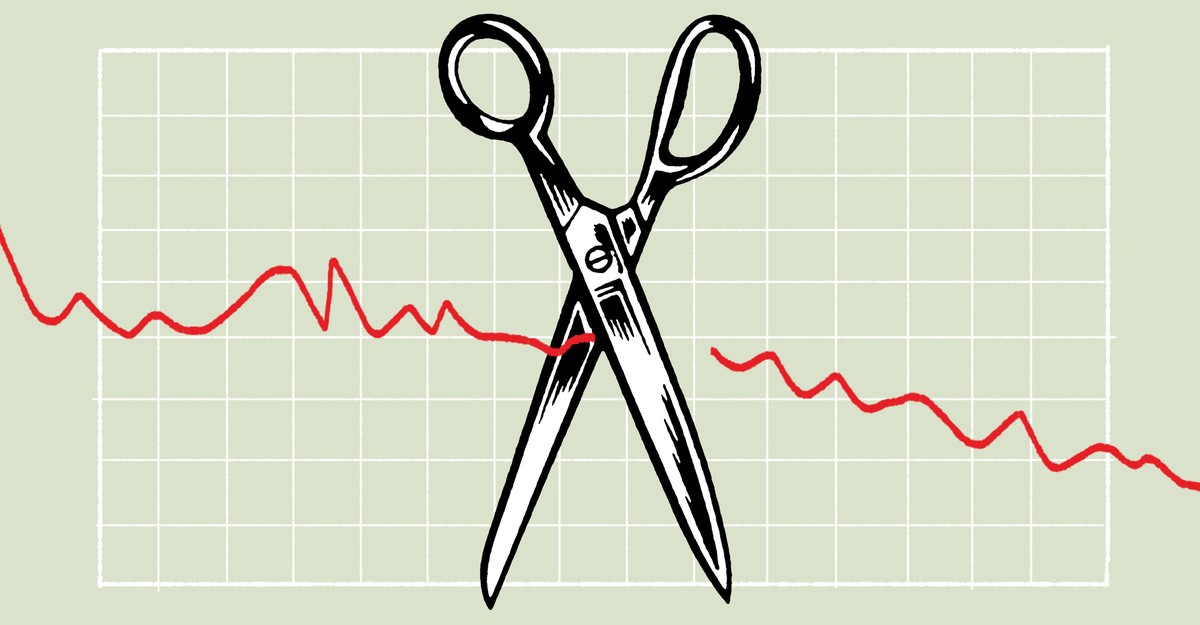
Gallup, the polling organization synonymous with presidential approval ratings for nearly eight decades, has ceased tracking those numbers, a move that comes as President Donald Trump’s approval ratings decline and follows a pattern of scrutiny and legal challenges leveled against pollsters by the former president and his allies.
The decision, first reported last week, has fueled speculation that Gallup succumbed to pressure from the Trump camp, which has a history of aggressively discrediting unfavorable polls. In 2024, Trump sued The Des Moines Register and its pollster, Ann Selzer, over a survey that indicated a potential loss in the Iowa caucuses. Similar legal threats were reportedly made against CBS and ABC, resulting in substantial settlements paid to Trump’s presidential library fund, according to reports.
While Gallup attributes the change to a shift in its business strategy and the rising costs and declining participation rates in traditional polling, the timing raises concerns. A recent RealClearPolitics average, as of February 21, 2026, places Trump’s approval rating at 42.3%, with 55.4% disapproving. This represents a significant drop from the 60% approval rating he held at the start of his second term in January 2025. Gallup’s own final presidential approval poll in December 2023 showed Trump at 36%, significantly lower than the RealClearPolitics average of 42% at the time.
The broader polling industry has faced a crisis of confidence in recent years, marked by increasingly low response rates and questions about the representativeness of samples. As few as 5% of those contacted now participate in polls, a dramatic decline from the 28% response rate Gallup enjoyed in the late 1990s. This necessitates a far greater volume of calls – currently around 20,000 to achieve a 1,000-person sample, compared to roughly 3,500 calls in the late 1990s – significantly increasing costs.
The challenges extend beyond cost. The decline in participation raises concerns that those who do respond are not representative of the broader population. Organizations like Pew Research Center attempt to correct for this by weighting responses, but these adjustments add to the complexity and expense of polling.
The situation is further complicated by the rise of alternative polling methods, such as online surveys conducted by companies like Morning Consult. While these methods can generate larger samples at lower costs, their representativeness remains a subject of debate. The failures of traditional polling to accurately predict the 2016 Brexit vote and the 2016 and 2024 U.S. Presidential elections have underscored the industry’s vulnerabilities.
In 2016, polls consistently underestimated support for Donald Trump, and in 2024, forecasts again underestimated his strength. Experts suggest Here’s due, in part, to the difficulty of reaching voters who are alienated from institutions and less likely to participate in traditional surveys.
The departure of Gallup from presidential approval tracking leaves a void in the landscape of public opinion measurement. While other organizations, such as Pew Research Center and Quinnipiac University, continue to conduct polling, Gallup’s long history and brand recognition lent significant weight to its findings. The company’s decision to focus on commissioned research for governments and corporations raises questions about the future of independent, publicly available polling data.
Stephen Colbert, host of CBS’s *The Late Show*, recently revealed that a taped interview with a Texas Senate candidate was scrapped due to threats from Brendan Carr, the chair of the Federal Communications Commission, adding to the perception of a chilling effect on media coverage. Gallup has not commented on whether similar pressures influenced its decision.
