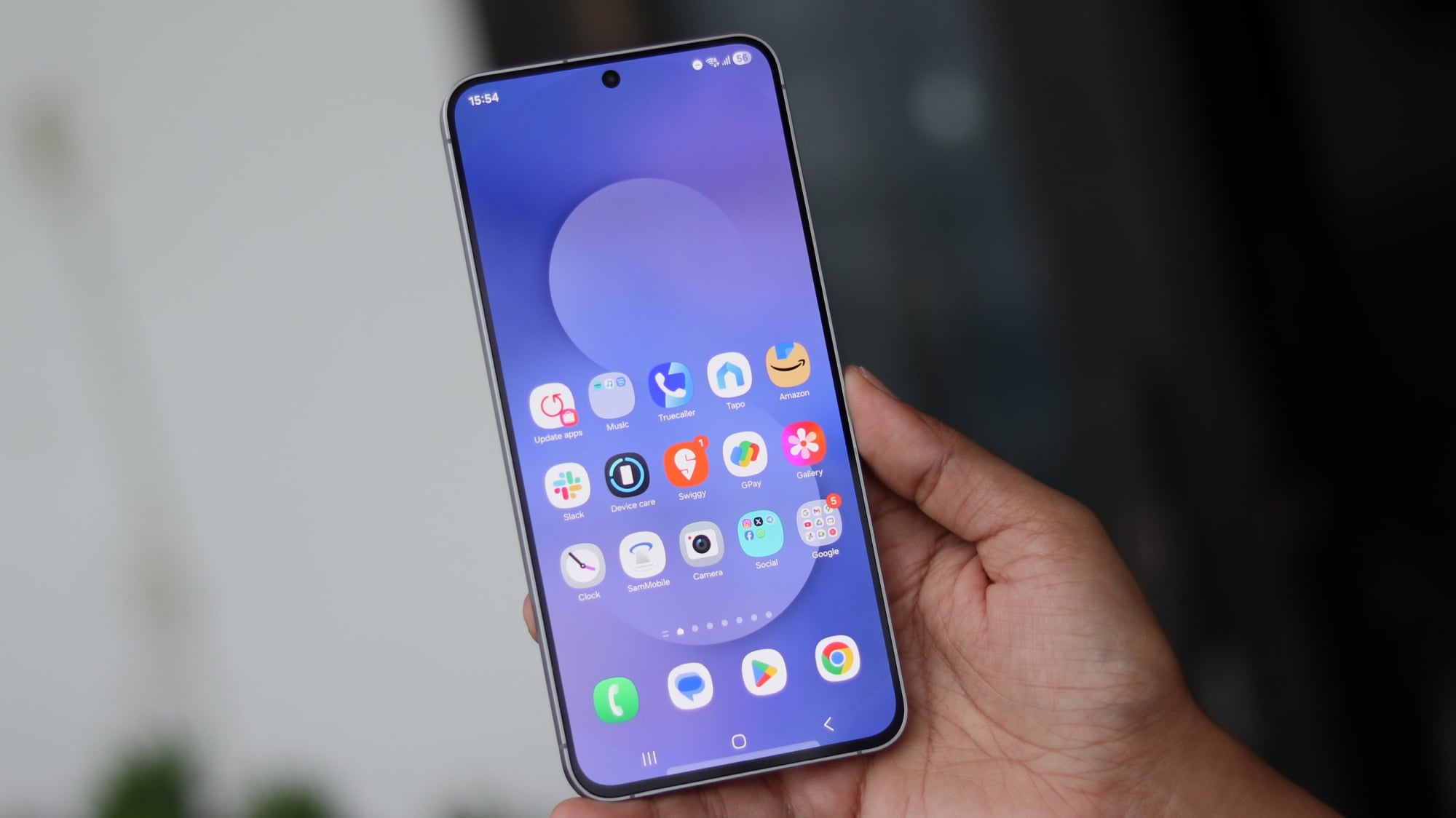
Galaxy S FE Models Now Get More Android OS Updates Than S Flagships
Samsung’s Galaxy S26 FE Software Update Strategy Creates Update Advantage Over Flagships
Samsung’s updated software release cycle for One UI and Android deployment has granted the upcoming Galaxy S26 FE a software longevity advantage over its higher-priced siblings in the core Galaxy S26 lineup. The Galaxy S26 FE will debut running One UI 9.0 and Android 17 straight out of the box, whereas the mainline Galaxy S26, S26+, and S26 Ultra launched earlier in the year utilizing One UI 8.5 based on Android 16.
The Tech TL;DR:
- Version Leap: The Galaxy S26 FE ships with Android 17 and One UI 9.0, giving it a baseline operating system version advantage over the core Galaxy S26 devices running Android 16.
- The Seven-Year Lifecycle: Given that Samsung commits to seven major Android OS upgrades for its top-tier devices, the S26 FE is set to finish its support cycle running one Android version higher than the Galaxy S26, S26+, and S26 Ultra.
- Mid-Cycle Nuance: Samsung’s shift toward releasing major One UI versions primarily to push new Android builds means standard flagships may miss specific final point releases compared to historical schedules.
This architectural scheduling quirk stems from a deliberate shift in Samsung’s device cadence. Last year, the ecosystem transition shifted when the company began launching its latest major Android versions alongside foldable flagships. Following the launch of the Galaxy Z Fold 7 and Galaxy Z Flip 7 with One UI 8 and Android 16 preinstalled, the Galaxy S25 FE arrived a month later to adopt that exact same software package. Meanwhile, the base Galaxy S26 series arrived earlier this year running One UI 8.5 built on Android 16 QPR2 architecture.

Decoding Samsung’s Firmware Cadence and Release Patterns
Historically, the company synchronized its monolithic yearly updates across all premium tiers. However, current product lifecycles reveal a staggered development pipeline where foldable releases dictate the primary Android baseline for subsequent FE models.
This structural change means that while the core Galaxy S26, S26+, and S26 Ultra could eventually stop at One UI 15, the Galaxy S26 FE is positioned to push further into One UI 16.
Practical Build Verification and API Target Analysis
# Query connected Samsung devices for OS version, security patch level, and active One UI build
adb shell getprop ro.build.version.release
adb shell getprop ro.build.version.sdk
adb shell getprop ro.build.display.id
Managing Firmware Fragmentation in Enterprise Environments
The Kicker: Navigating the Final Point Release Trade-Off
While the S26 FE secures an extra major Android version, the nuance in Samsung’s scheduling creates a subtle trade-off at the tail end of support. Under the legacy update framework, traditional flagships would have received mid-point increments like One UI 15.5 alongside the FE series. Under the current trajectory, the S26 FE may receive One UI 16 while missing the final corresponding 16.5 point release that would have rounded out its lifecycle.
*Disclaimer: The technical analyses and security protocols detailed in this article are for informational purposes only. Always consult with certified IT and cybersecurity professionals before altering enterprise networks or handling sensitive data.*