
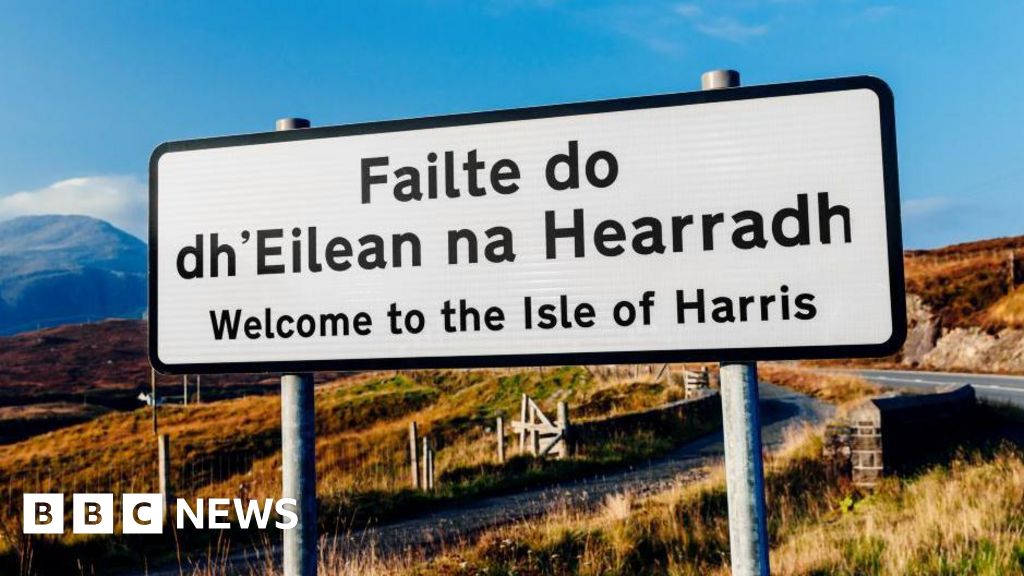
Gaelic and Scots officially Recognised as Languages of Scotland
Edinburgh, scotland – In a landmark decision affirming Scotland’s cultural identity, Gaelic and scots have today, St Andrew’s Day, been officially recognised as languages of Scotland. The move comes into affect with the implementation of the Scottish Languages Act,passed by MSPs in June and receiving Royal Assent on august 1st,2025.
The new legislation empowers parents to request the establishment of Gaelic-medium schools in thier communities and seeks to expand the availability of Gaelic qualifications. Ministers are now authorised to commission research into the usage of both Gaelic and Scots, and to establish standardised teaching guidelines for the languages.
Deputy First Minister Kate Forbes hailed the Act as a “historic milestone,” stating,”St andrew’s Day is a fitting time to celebrate scotland’s identity by recognising Gaelic and Scots as official languages.This is a historic milestone which acknowledges the vital place these languages hold in Scotland’s culture and heritage.”
The Scottish government has already committed £35.7 million to Gaelic and Scots initiatives for the current year. The Act also provides for the designation of areas of linguistic meaning within Gaelic communities, enabling targeted policy support for language growth.
The Scottish Languages Bill was initially introduced on St andrew’s Day in 2023. Recent census data underscores the importance of this legislation, revealing a rise in both Gaelic and Scots speakers. In 2022,130,161 people in Scotland reported having some Gaelic skills,a 43,105 increase since 2011.Simultaneously, 2,444,659 people possessed some Scots skills, up 515,215 from the 2011 census.
Geographically, Na h-Eileanan Siar (Western Isles) demonstrates the strongest Gaelic presence, with 57.2% of the population reporting some Gaelic skills. This contrasts sharply with Highland (8.1%) and Argyll and Bute (6.2%), the next highest council areas for Gaelic speakers.
