
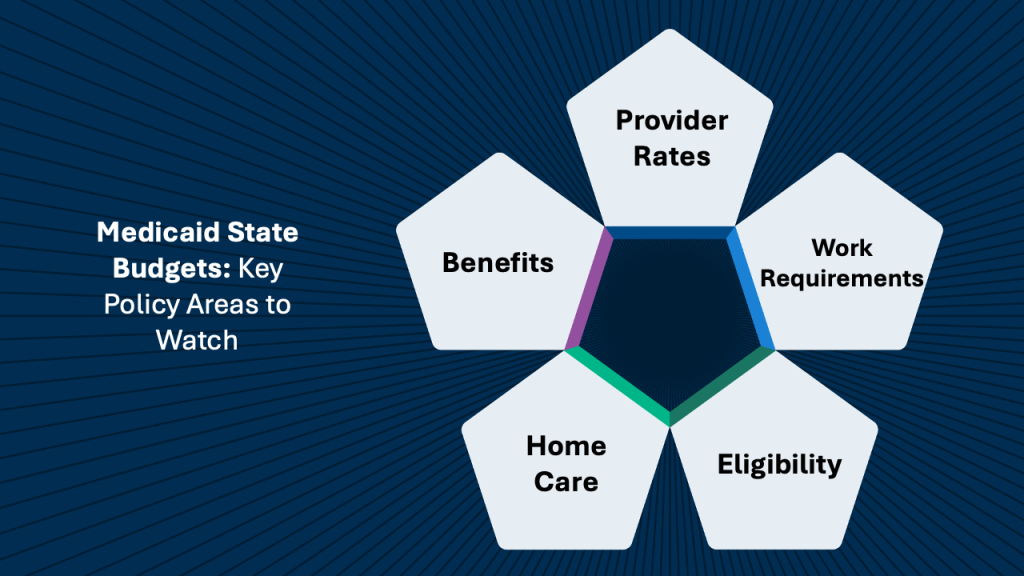
summary of Medicaid Budget Trends & Future Outlook (FY 2026 & 2027)
This text details a shift in Medicaid policy, moving from expansion and streamlining to potential restrictions and increased administrative burdens. Here’s a breakdown:
FY 2026 Trends:
* Initial Progress: Prior to FY 2026, states focused on improving member dialog and reducing administrative hurdles.
* Budget-Driven Restrictions: Tighter state budgets led to some states implementing eligibility restrictions. Examples include:
* California: Reinstated asset limits for long-term care Medi-Cal eligibility.
* D.C.: Lowered Medicaid income limits for certain enrollees.
* Various States: rolled back state-funded coverage for immigrants.
* Project Delays: Uncertainty at the federal level caused some states to cancel or postpone Medicaid projects, including those related to federal waiver policies (like pre-release coverage and continuous enrollment for children).
FY 2027 Outlook:
* Continued Restriction Consideration: Upcoming budget debates are likely to include consideration of further Medicaid eligibility restrictions to address state budget challenges.
* Implementation of 2025 Reconciliation Law: States will begin implementing changes from the 2025 reconciliation law, which will:
* Pause Streamlining Efforts: Halt implementation of provisions from the Biden-era “Eligibility and Enrollment” Final Rule designed to simplify processes.
* Restrict Immigrant Eligibility: Limit Medicaid coverage for certain immigrants.
* Increase Redeterminations: Conduct more frequent eligibility checks for adults covered under the ACA expansion.
* Introduce Work Requirements: Implement Medicaid work requirements for ACA expansion adults.
* Implementation Challenges: These changes will require significant overhauls of state eligibility systems, potentially diverting resources from other Medicaid priorities.
* Potential for Further Cuts: Increased implementation costs, combined with budget pressures and potential federal funding cuts, could lead more states to restrict coverage for optional eligibility groups. (Example: Idaho considering repealing Medicaid expansion).
In essence, the trend is shifting from expanding access to potentially shrinking it, driven by state budget concerns and new federal policies.
