
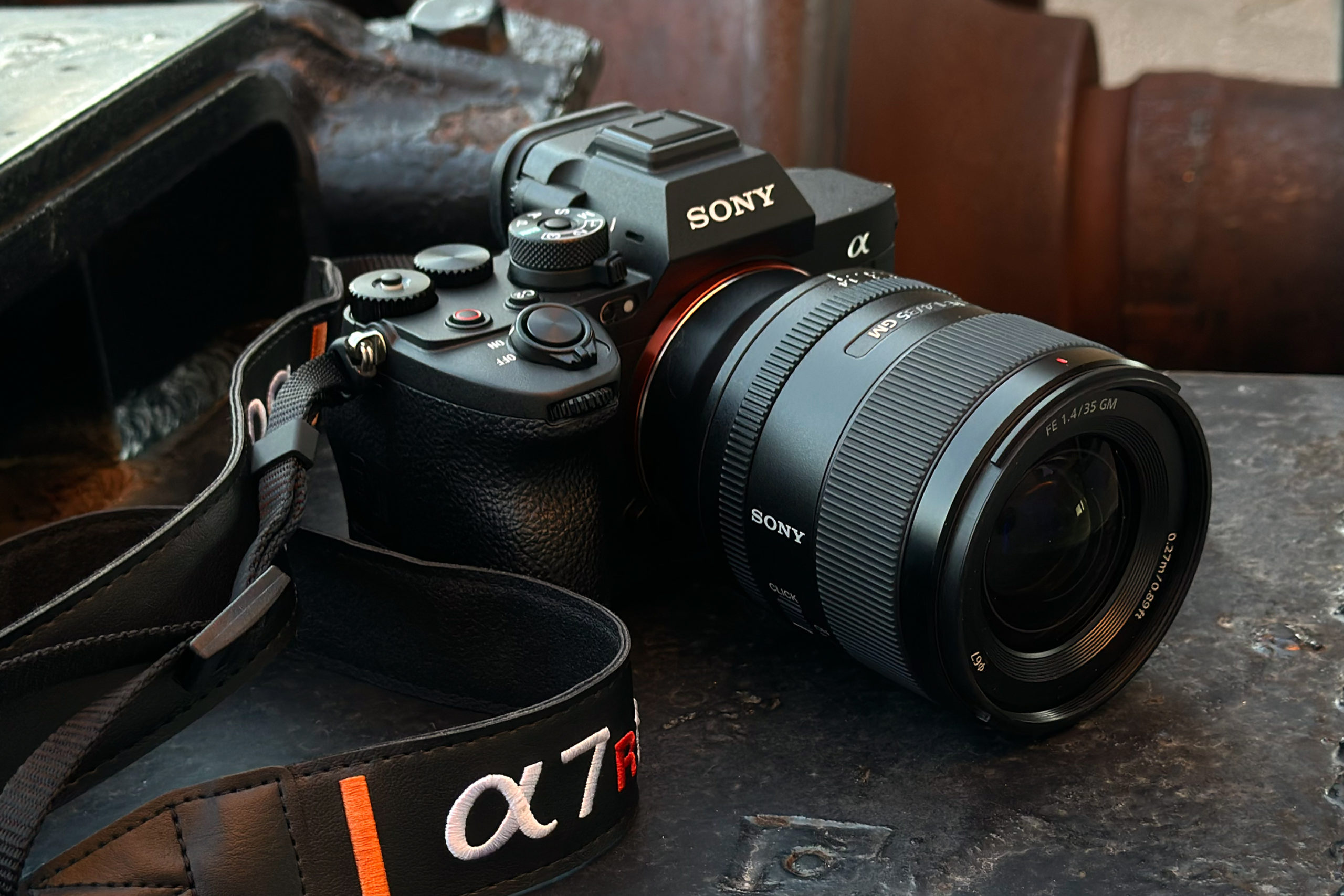
Future of Sony a7R: What to Expect from the Next Generation
Sony is playing a dangerous game of internal cannibalization. As we move into Q2 2026, the tension between the A1 II’s versatility and the rumored A7R VI’s raw resolution isn’t just about megapixels—it’s a battle of compute efficiency and sensor read-out speeds. For the professional, the question is whether the R-series can finally bridge the gap between static high-res and high-speed throughput.
The Tech TL. DR:
- The Resolution Ceiling: The A7R VI is expected to push beyond 61MP, potentially leveraging a new BSI-stacked architecture to reduce rolling shutter.
- Compute Bottlenecks: The A1 II remains the king of throughput; the A7R VI’s challenge is processing massive RAW files without thermal throttling.
- AI Integration: Both systems are shifting toward NPU-driven autofocus and subject recognition, moving logic from the ISP to dedicated AI silicon.
The core friction here is a classic hardware bottleneck: the “Resolution vs. Speed” trade-off. In the current production cycle, Sony is grappling with the physics of data throughput. Pushing 60+ megapixels through a sensor requires immense bandwidth. If the A7R VI attempts to outgun the A1 II, it needs more than just a denser pixel grid; it needs a fundamental shift in how the BIONZ XR engine handles the pipeline. When we talk about “outgunning,” we aren’t talking about image quality—we are talking about the latency between the shutter trigger and the write-to-CFexpress-Type B.
For enterprise studios and high-end production houses, this isn’t just a gear choice; it’s a workflow disaster waiting to happen. Massive files increase the blast radius of storage failures and slow down the ingest pipeline. To mitigate this, firms are increasingly relying on managed cloud storage architects to handle the petabytes of data generated by these high-resolution sensors.
The Hardware Spec Breakdown: Silicon and Throughput
To understand if the A7R VI can realistically compete with the A1 II, we have to look at the SoC (System on a Chip) efficiency. The A1 II utilizes a stacked CMOS sensor that allows for a global-shutter-like experience, whereas the R-series has historically been “slower” due to the sheer volume of data per frame. According to published Sony semiconductor whitepapers, the move toward integrated AI processing units (NPUs) is the only way to maintain real-time subject tracking at 60MP+ without overheating the chassis.
| Metric | Sony A1 II (Current Flagship) | Sony A7R VI (Projected) | Impact |
|---|---|---|---|
| Sensor Tech | Stacked CMOS | Advanced BSI-Stacked | Reduced Rolling Shutter |
| Max Resolution | ~50MP | 61MP – 80MP | Increased Detail/Crop Ability |
| Burst Rate | 30fps (RAW) | 10-15fps (High-Res) | A1 II wins on action/sports |
| AI Processing | Dedicated NPU | Next-Gen NPU (v2) | Better Subject Recognition |
| Thermal Ceiling | High (Efficient) | Moderate (Heat Sink Limited) | R-series risk of throttling |
The architectural reality is that the A7R VI cannot “outgun” the A1 II in versatility. The A1 II is a generalist masterpiece. The A7R VI is a specialist tool. If you are shooting a wedding, the A1 II is the logical choice. If you are shooting a billboard for a luxury brand, the A7R VI is the only option. However, the integration of AI-driven noise reduction at the hardware level might make the R-series more viable for low-light high-res perform, a feat previously reserved for the A1’s superior sensor read speeds.
“The shift from traditional ISPs to NPU-centric image processing is the most significant jump in camera architecture since the move to mirrorless. We are no longer just capturing light; we are running real-time inference on every frame.”
— Marcus Thorne, Lead Systems Architect at OpticFlow Labs
The Implementation Mandate: Automating the Workflow
For developers building custom ingest pipelines for these cameras, the sheer size of the files requires a programmatic approach to checksum verification and automated backup. You can’t manually drag-and-drop 100GB of 80MP RAW files without risking corruption. Most senior engineers are now utilizing CLI-based tools to ensure data integrity during the transfer from the camera’s CFexpress card to the NAS.
Here is a typical bash implementation for verifying the integrity of a high-res ingest folder using sha256sum to ensure no packets were dropped during the high-speed transfer:
# Verify ingest integrity for A7R VI high-res batch identify /mnt/camera_card/DCIM -type f -name "*.ARW" | xargs sha256sum > manifest.sha256 # Compare against backup to ensure zero-bit corruption sha256sum -c manifest.sha256 | grep -v "OK" && echo "Data Corruption Detected" || echo "Ingest Verified"This level of rigor is necessary because as resolution increases, the probability of a single-bit flip during transfer increases. For those managing large-scale digital asset libraries, this is where enterprise IT consultants become essential to implement redundant ZFS file systems that prevent silent data corruption.
The “AI Camera” Paradox: Software vs. Glass
The A7R VI isn’t just fighting the A1 II; it’s fighting the trend of “computational photography.” With the rise of AI upscaling (like Topaz Photo AI or Adobe’s Generative Fill), the need for 80 megapixels is diminishing. Why buy an A7R VI when you can take a 50MP shot on an A1 II and upscale it using a latent diffusion model? This is the “vaporware” aspect of the high-res race—the hardware is chasing a need that software is rapidly solving.

Looking at Ars Technica’s coverage of sensor evolution, the trend is moving toward smarter pixels, not more pixels. The A1 II already embodies this by prioritizing speed and AI-driven autofocus over raw count. The A7R VI must prove that its resolution provides a tangible benefit that cannot be replicated by an AI upscale algorithm.
the security implications of “smart” cameras are often ignored. As cameras become IoT devices with constant Wi-Fi connectivity and AI processing, they become endpoints. A compromised camera in a corporate environment is a gateway to the network. This is why security-conscious CTOs are now deploying certified cybersecurity auditors to ensure that the camera’s firmware and the associated transfer servers are SOC 2 compliant.
the A7R VI won’t “outgun” the A1 II in a general sense—it will simply carve out a more extreme niche. The A1 II remains the surgical tool for the professional who needs everything, whereas the A7R VI is the sledgehammer for the professional who needs a specific, massive impact. As we see more integration of NPUs into the camera body, the distinction between these models will shift from “what they can capture” to “how they process.”
Disclaimer: The technical analyses and security protocols detailed in this article are for informational purposes only. Always consult with certified IT and cybersecurity professionals before altering enterprise networks or handling sensitive data.