
“`html
AMAMI OSHIMA, JAPAN – A revitalized second home on the Japanese island of Amami Oshima, designed by Furuya Design, demonstrates a sensitive approach to ecological awareness and architectural preservation. The project, commissioned by SANU, transforms an existing wooden bungalow into a space deeply integrated with the island’s unique botanical landscape.
Located on Amami Oshima, part of the UNESCO World Heritage site encompassing the Amami-Oshima Island group, the renovation centers around a pre-existing structure. Rather than demolition and new construction, Furuya Design opted to retain and rework the bungalow, minimizing environmental impact. The project’s design ideology prioritizes a harmonious relationship between the built environment and the surrounding natural ecosystem.
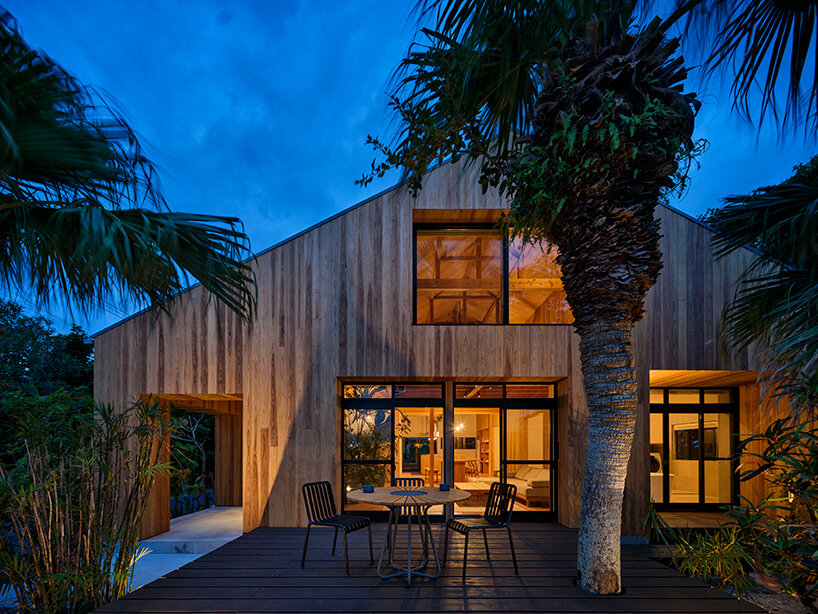
Furuya Design retained and reworked an existing wooden bungalow
The design team,led by architect Masahiro Furuya,recognized the distinct botanical character of Amami Oshima,where plants typically cultivated indoors in temperate climates flourish naturally outdoors. Hibiscus, plumeria, and bougainvillea are commonplace, creating a lush, tropical environment. To enhance the site’s existing vegetation, Furuya Design collaborated with a local botanical garden – specifically, the Amami Botanical Garden – to introduce species native to the island, enriching the spatial qualities of the grounds. This collaboration ensured the integration of plants already acclimated to the local climate and ecosystem.
Beyond aesthetic considerations, the project addressed pressing ecological concerns. Amami Oshima’s iconic sago palms (Cycas revoluta) are facing a meaningful threat from a widespread pest infestation,impacting the island’s landscape. This ecological challenge prompted Furuya Design and SANU to consider architecture’s role not merely in framing views of nature, but in actively responding to and supporting declining natural systems. The design process became a platform for reflecting on the changing environmental conditions and exploring architectural solutions that promote ecological resilience.
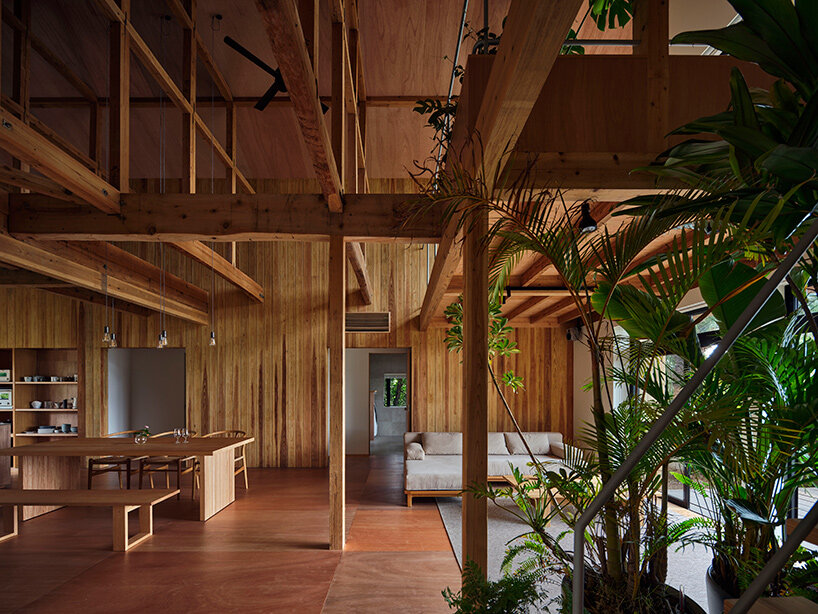
a double-skin wooden facade integrates reused storm shutters and sashes

