
Fuel Costs: Australians Switch to Bikes, Public Transport & Working From Home
Australians are increasingly altering their travel patterns as fuel prices surge, with over half of motorists reducing their driving in the past month, according to a recent survey of 1,800 NRMA members.
Many are seeking alternatives to traditional car travel, including cycling, working from home and utilizing public transport, in an effort to mitigate fuel costs and lessen their environmental impact without immediately transitioning to electric vehicles.
Transport currently represents Australia’s third-largest source of climate pollution, and forecasts indicate it will become the primary contributor to emissions by 2030. The National Transport Commission estimates that each litre of petrol releases approximately 2.3kg of carbon dioxide into the atmosphere – roughly the weight of a house brick.
Why Do Australians Travel?
In major Australian cities, the majority of journeys are still undertaken by car, according to Dr. Liam Davies, an associate director at the Institute for Sensible Transport. Access to viable alternatives, such as public transport or dedicated bike paths, is unevenly distributed, with outer suburbs and regional areas often lacking the same level of service as inner-city locations.
Analysis of travel patterns in Sydney and Melbourne reveals that approximately 20% of trips are work-related, 21% involve transporting others – including school pick-ups and drop-offs – 19% are for social or recreational purposes, and 19% are for shopping.
The distance travelled often dictates the most suitable alternative to driving. “Most people will find a comfortable walk at about one kilometre, and a comfortable bike ride at about four kilometres. Once you’re over either of those distances, public transport becomes the most comfortable option – or the motor vehicle,” Davies says.
The Appeal of Public Transport
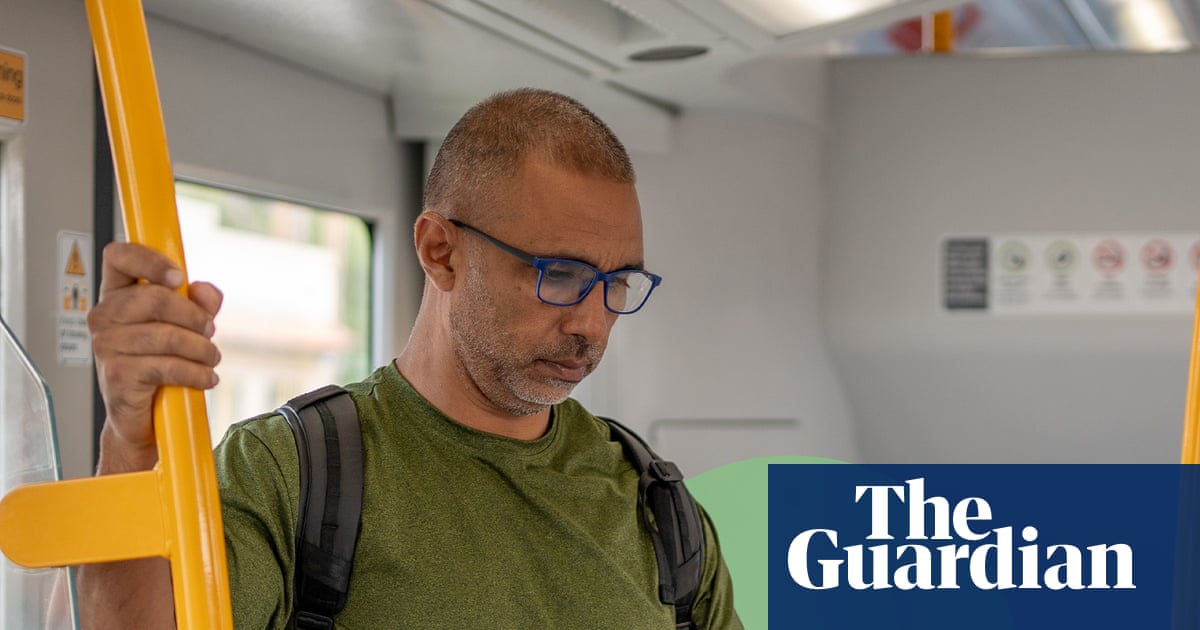
Daniel Bowen, a campaigner with the Public Transport Users Association, argues that increased public transport usage benefits society as a whole, extending beyond those who directly utilize buses, trains, or trams.
“For society at large, one less car off the road means less pollution, less traffic congestion,” he says. “And for the people who don’t have a choice [not to] drive, then that obviously helps them if Notice fewer cars on the road.”
While acknowledging that the public transport system is not without its flaws, Bowen highlights its potential as a time-saver and efficient travel method. Journey planning apps, such as Google Maps, can assist in identifying available routes and estimating travel times.
“You can often employ the time on public transport productively to read, to ring up friends or answer emails,” he says, activities that are incompatible with driving.
Reducing reliance on cars offers significant environmental, social, and health advantages. A petrol or diesel vehicle emits between 150 and 300 grams of CO2/km. Public transport emissions can be zero, particularly with electric trams, trains, and buses. Even diesel buses have lower per-person emissions than cars. Walking and cycling are essentially carbon-free.
Motor vehicles also contribute to particulate pollution, exacerbating respiratory problems like asthma, and urban noise pollution, which can increase stress and disrupt wildlife.
Re-Embracing the Bicycle
The not-for-profit Bicycle Network has reported a surge in interest since fuel prices began to rise. Alison McCormack, the network’s chief executive, says most people own a bicycle, and approximately two-thirds of Australians express a desire to cycle more frequently, but harbor safety concerns.
While some dedicated cycling paths exist, McCormack notes gaps in cycling networks that can make biking more challenging. She encourages people to simply start by ensuring their bike is roadworthy – checking tyre pressure, brake functionality, and chain lubrication – and performing a basic safety check by dropping and catching the bike to identify any loose parts. She recommends visiting a local bike shop for any concerns.
She suggests starting with short trips, such as replacing one or two car journeys to the shops or workplace, and gradually increasing distance. Workplaces can support cycling by providing facilities like bike storage, showers, and lockers.
E-bikes may be a viable option for longer distances, potentially enabling families to reduce their reliance on a second car, McCormack adds.
Christina Sorbello, Asia Pacific regional manager for Love to Ride, emphasizes the benefits of cycling, stating, “It’s also a really nice way to gain out in your neighbourhood.”
“We’re not about saying that cycling is for everybody in all circumstances, but there are certainly places where riding a bike can make sense and often be an easier mode than jumping in your car,” she says. “The world is different when you view it from the seat of a bike.”