
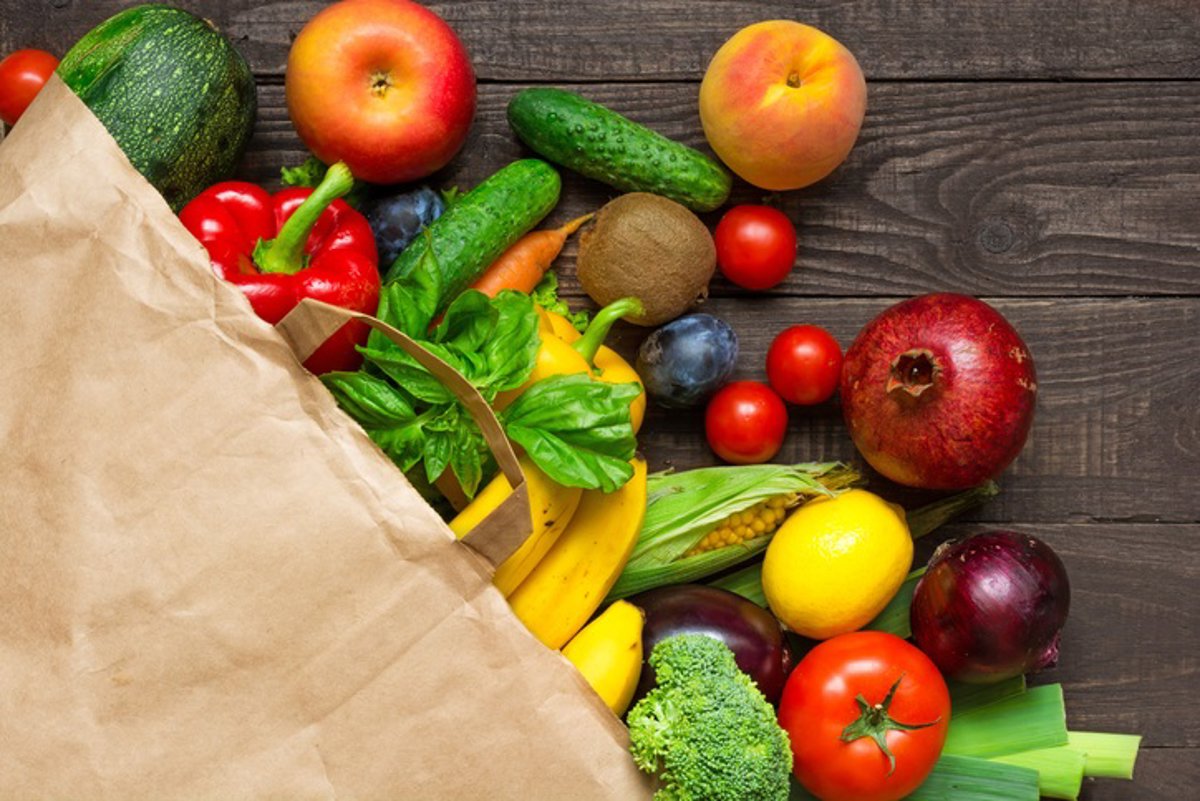
Fruit and Vegetables Substantially Lower Cardiovascular Disease Risk
Table of Contents
- Fruit and Vegetables Substantially Lower Cardiovascular Disease Risk
- Evergreen Insights: Understanding Cardiovascular Health
- Frequently Asked questions About Fruit and vegetable Consumption
- What is the recommended daily intake of fruits and vegetables for cardiovascular health?
- How do fruits and vegetables help reduce the risk of arterial hypertension?
- Are there specific cooking methods that preserve the nutrients in fruits and vegetables?
- what are the key nutrients in fruits and vegetables that benefit cardiovascular health?
MADRID, 31 Jul. (EUROPA PRESS) –
consuming fruits and vegetables can significantly reduce teh risk of death from cardiovascular disease (CVD) by 28 percent, according to the Spanish Society of arteriosclerosis (SEA). This finding is highlighted in the SEA’s updated document on ‘Lifestyle Recommendations and Cardiovascular Prevention,’ which analyzes a recent meta-analysis of 22 prospective studies.
Nutrients found in fruits offer beneficial effects against cardiometabolic risk factors. Specifically, consuming 200 grams of fruit daily notably lowers the risk of developing arterial hypertension.
Moreover, the document indicates that consuming five servings of vegetables and fruits daily is associated with a 12 percent decrease in the risk of CVD death and a 13 percent reduction in the risk of total mortality, compared to consuming only two servings.
An increase of 100 grams per day in fruit consumption is linearly linked to an 8 to 13 percent reduction in CVD risk. Consuming up to 200 grams of fruit daily is associated with a general reduction in all-cause mortality.
These health benefits stem from the high water content (around 80 percent),low caloric contribution,and nutrient-rich composition of vegetables,fruits,and tubers. They provide vitamins A, B, C, and E, folic acid, minerals, phenolic compounds, and substantial fiber.
The low sodium content of these vitamins and minerals also contributes to thier beneficial properties in age-related diseases, including CVD.Additionally, the complex carbohydrates and fiber present in these foods offer significant cardiometabolic benefits.
Though, the SEA notes that cooking can lead to the loss of water-soluble vitamins, such as B vitamins and C, as well as minerals and phenolic compounds. These nutrients can dissolve in cooking liquids or be destroyed by heat, particularly during frying.
Thus, the SEA recommends favoring raw consumption of fruits and vegetables in salads, gazpacho, or salmorejo. They also advise on culinary preparation techniques, such as not peeling vegetables when possible, cutting them into larger portions, avoiding prolonged soaking or boiling times, and favoring steaming. It is also advisable to avoid prolonged high-temperature frying or repeated reheating.
Evergreen Insights: Understanding Cardiovascular Health
Cardiovascular disease (CVD) remains a leading cause of mortality worldwide. Lifestyle factors, including diet, play a crucial role in its prevention and management. The emphasis on fruits and vegetables in dietary recommendations is rooted in decades of research demonstrating their protective effects against chronic diseases. These foods are rich in antioxidants, fiber, and essential micronutrients that combat inflammation, improve blood lipid profiles, and support healthy blood pressure levels. Understanding the interplay between diet and cardiovascular health is paramount for public health initiatives and individual well-being.
Frequently Asked questions About Fruit and vegetable Consumption
What is the recommended daily intake of fruits and vegetables for cardiovascular health?
The Spanish Society of Arteriosclerosis (SEA) suggests that consuming five servings of vegetables and fruits daily is associated with a significant decrease in the risk of cardiovascular disease (CVD) death and total mortality.
How do fruits and vegetables help reduce the risk of arterial hypertension?
A daily consumption of 200 grams of fruit has been shown to significantly reduce the risk of developing arterial hypertension, likely due to their nutrient profile, including vitamins, minerals, and fiber, and their low sodium content.
Are there specific cooking methods that preserve the nutrients in fruits and vegetables?
Yes, raw consumption is often best. When cooking, methods like steaming or avoiding prolonged boiling, soaking, and high-temperature frying help preserve water-soluble vitamins and other beneficial compounds.
what are the key nutrients in fruits and vegetables that benefit cardiovascular health?
Key nutrients include vitamins A, B, C, and E, folic acid, minerals, phenolic compounds, fiber, and complex carbohydrates. Their high water content and low caloric contribution also play a role.
Share your favorite fruit and vegetable recipes in the comments below! Subscribe to World today News for more health and wellness insights.
