From Social Chatbots to AI Companions: The Evolution of Human Connection
Children barred by parents from traditional social media are quietly turning audio platforms and AI tools into chatrooms, highlighting how communication needs frequently bypass intended software designs. According to accounts from school-aged users and software observers, elementary and middle school students who lack access to mainstream networks have discovered they can converse freely within the comment sections of specific digital audio files on Spotify.
The Secret Chatrooms Hidden Inside Public Radio Podcasts
The practice relies on public playlists created with innocuous titles such as “let’s talk here,” which typically contain a single National Public Radio podcast episode. A 14-year-old student described the system to observers, noting that children gravitate toward public radio podcasts because those feeds generally attract few organic comments, providing an empty digital space where classmates can congregate undisturbed. What adult producers intended as journalism functions for these groups as an improvised messaging board.
Repurposing Enterprise Infrastructure for Peer Interaction
This behavior mirrors a broader pattern across digital ecosystems where text boxes built for entirely different purposes are repurposed for peer interaction. Software designers frequently encounter unexpected user communities establishing informal communication channels inside enterprise applications and media repositories when traditional social networks are restricted.
Treating Conversational AI as Casual Companions
Beyond repurposed podcast feeds, everyday users are increasingly treating conversational artificial intelligence tools as casual communication partners. Observers note that users frequently refer to Anthropic’s Claude as “Claudinho” or shorten OpenAI’s ChatGPT simply to “Chat,” demonstrating an informal, conversational approach to enterprise software interfaces.
Flipping the Dynamic of Digital Companionship
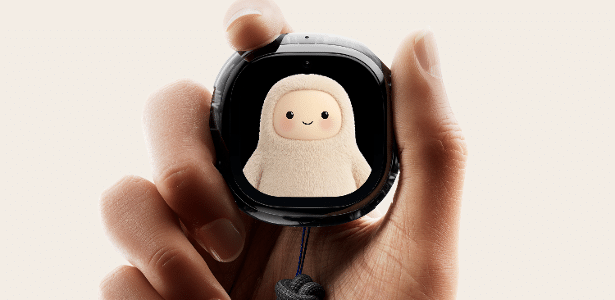
While past consumer gadgets like 1990s Tamagotchi digital pets required human users to feed, educate, and tend to them constantly, modern AI companions reverse that dynamic. Devices and applications designed to track personal goals, schedule appointments, suggest daily routines, and reserve restaurants place the human user in the position of being continuously accompanied and monitored throughout the day.
