From Pirates to Polar Bears: The Wildest Cruise Ship Disasters and Chaos
Modern cruise ships are increasingly operating as high-seas micro-cities, yet recent incidents involving pirate threats, wildlife collisions, and passenger misconduct highlight the significant operational risks inherent in global maritime travel. As of August 2026, data from Cruisemapper.com tracks over 1,500 active vessels, revealing that even luxury voyages remain susceptible to unpredictable environmental and security hazards.
Maritime Security and the Reality of High-Seas Threats
The maritime industry faces a diverse array of security challenges that extend far beyond routine navigation. The 2009 attack on the MSC Melody off the coast of Somalia serves as a stark reminder of these vulnerabilities. During that incident, passengers were forced to defend themselves by hurling deck chairs at attackers while security personnel worked to repel the boarding attempt. This event underscores the necessity for comprehensive security measures to protect both passengers and crew in high-risk zones.
In 2024, Norwegian Joy reported a significant security breach when two passengers were apprehended with 158 pounds of marijuana, stored in over 100 vacuum-sealed bags.
Environmental Hazards and Wildlife Encounters
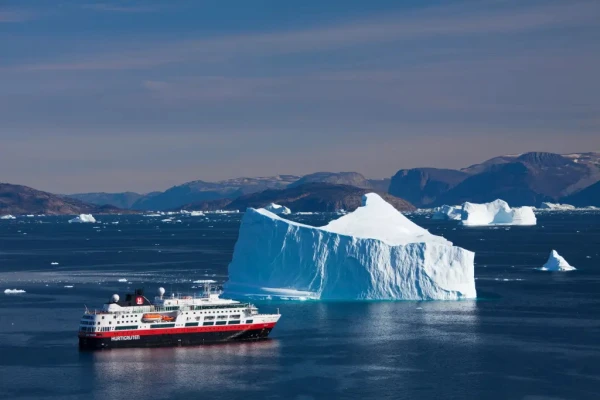
Navigational safety is frequently tested by extreme environmental conditions and unexpected wildlife presence. In 2022, the Norwegian Sun struck an iceberg in thick fog while sailing off the coast of Alaska, an incident passengers later described as a modern-day “Titanic 2.0.” The collision forced the vessel to return to port for structural repairs, highlighting the fragility of even the largest steel-hulled ships when faced with glacial debris.
Wildlife encounters present a different, though equally dangerous, category of risk. In 2018, a polar bear attacked a guard during an expedition from the MS Bremen near Svalbard, Norway. The resulting defensive shooting of the animal underscores the danger of human-wildlife proximity in Arctic regions. Similarly, in 2024, the MSC Meraviglia arrived at Port Brooklyn with a 43-foot whale draped across its bow, a grim indicator of the frequency of ship-whale strikes in busy shipping lanes.
Infrastructure and Liability in Port Operations
The risks are not confined to the open ocean; port operations present their own set of logistical calamities. In 2019, a collision between the Carnival Glory and the Carnival Legend in Cozumel, Mexico, demonstrated how close-quarters maneuvering can lead to significant mechanical damage and liability disputes.
Beyond mechanical and wildlife hazards, passenger behavior continues to impact safety records. The 2019 incident involving a 27-year-old passenger who jumped from an 11th-floor balcony on Royal Caribbean’s Symphony of the Seas while docked in Nassau, Bahamas, resulted in a lifetime ban for the individual and his companions. This behavior forces cruise lines to implement increasingly restrictive balcony and deck safety measures to prevent self-inflicted injuries.
The Regulatory Landscape of Global Cruising
Operating a cruise vessel requires strict adherence to international maritime regulations. According to the United States Coast Guard (USCG), vessel operators must maintain rigorous safety management systems to handle everything from fire suppression to emergency evacuation procedures.

For passengers and operators alike, the complexity of these incidents serves as a warning that the “floating resort” experience is inherently tied to the realities of the ocean. When incidents occur—whether involving structural damage, security breaches, or environmental liability—the recovery process is rarely straightforward.