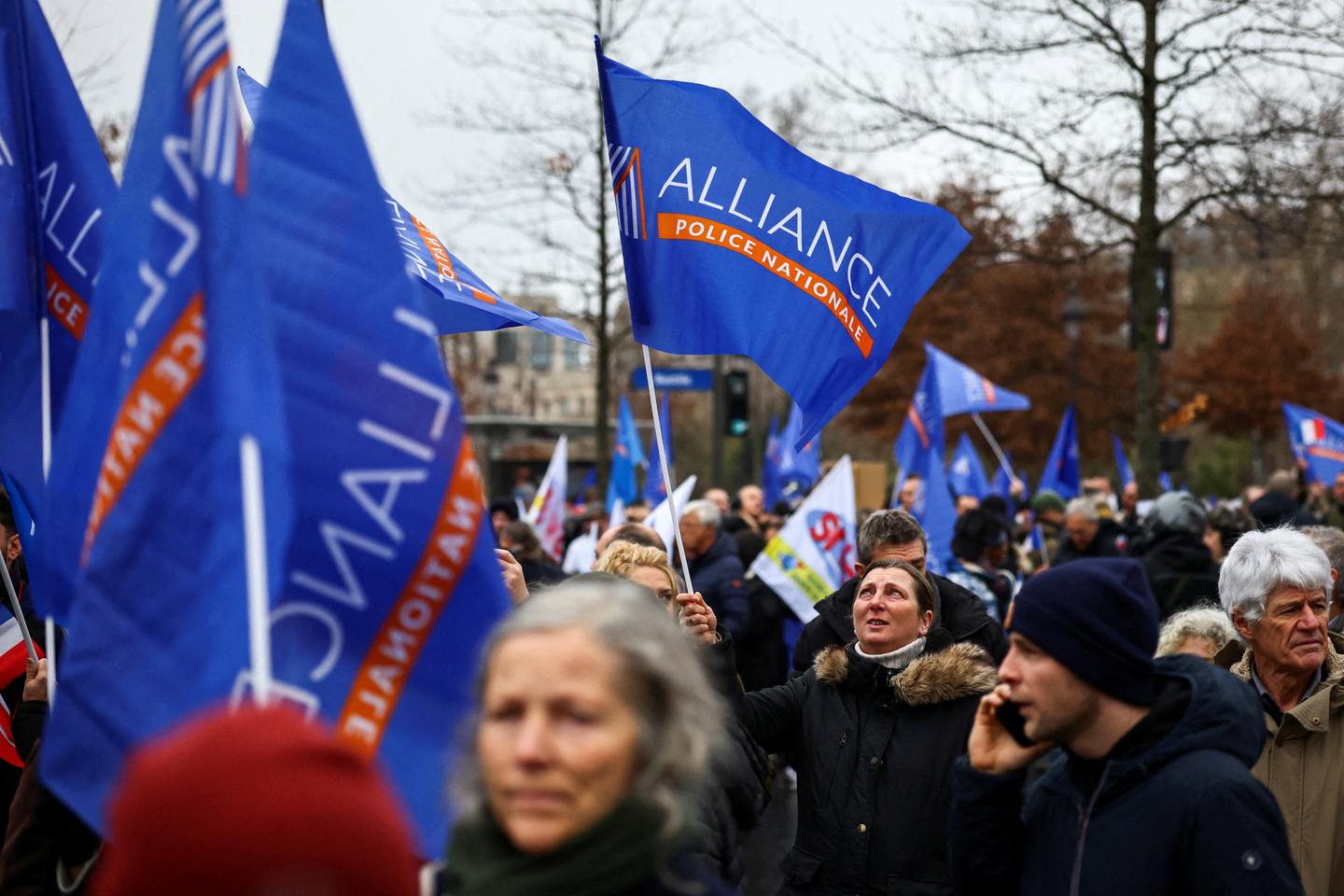
French Police Unions Warn of September Strikes After Failed Salary Talks
French police unions warned of widespread street protests scheduled for September 15, following unsatisfactory budgetary negotiations with Interior Minister Laurent Nuñez. Major labor groups, including Alliance and UN1TÉ, cited deep frustration over unresolved demands for risk-allowance increases and an estimated 300 million to 500 million euros in additional annual sector funding.
The high-stakes bilateral meetings at Place Beauvau in Paris failed to bridge a growing chasm between rank-and-file expectations and government allocations. While the interior ministry pointed to planned 2027 funding bumps, police representatives argued that current measures ignore operational realities and fail to mirror recent administrative salary reforms.
According to statements gathered by La Voix du Nord, the core disagreement centers on the police risk allowance—known as the ISSP—which has remained frozen since 2019.
Budgetary Discontent and the September 15 Strike Threat
Fabien Vanhemelryck, secretary-general of the Alliance union, did not mince words regarding the outcome of the discussions. He described a pervasive sense that officers are expected to trudge through dangerous shifts without adequate backing or recognition.
The union is demanding an injection of 300 million to 500 million euros into the national police budget. Without these resources, organizers warn that thousands of officers will take their grievances to the streets on September 15, potentially straining municipal security operations across major French cities.
Meanwhile, Grégory Joron, secretary-general of UN1TÉ, expressed a similar sentiment of being misunderstood by ministry officials. He highlighted an acute feeling of unfairness following earlier government announcements in June regarding career and salary modernizations.
The Commissioner Reform Gap and Investigative Resources
The immediate trigger for the latest wave of anger involves a stark contrast in how different tiers of the police force are treated by state budget planners. In June, the government unveiled a reform package granting salary revaluations of up to 1,350 euros per month specifically for police commissioners.

Unions representing gardiens de la paix characterized that adjustment as a slap in the face to the broader workforce. While the interior ministry outlined plans for 240 million euros in extra funding for 2027, along with the creation of 970 new national police posts—including 700 dedicated to investigative divisions—frontline representatives argue these future promises do nothing to address immediate danger pressures.
For municipal leaders and regional authorities trying to maintain public order, these labor disruptions present complex logistical hurdles.
Broader Institutional Pressures on Law Enforcement
These budgetary clashes unfold against a backdrop of intense administrative scrutiny. The meetings followed the dissemination of a 12-page confidential note drafted by Justice Minister Gérald Darmanin following the Lyhanna case. That document synthesized critical observations from general prosecutors regarding child protection files, pointing to systemic hurdles such as missing case files, training deficits, and chronic staffing shortages.

Although both Alliance and UN1TÉ maintained that the Lyhanna dossier was not formally tabled during their Friday consultations with Laurent Nuñez, the underlying administrative stress compounds the frustration felt by officers on the beat.
As the September 15 mobilization approaches, the dialogue between Place Beauvau and the rank-and-file remains precariously balanced. Whether upcoming administrative talks can avert widespread street action will depend entirely on concrete financial movements before the autumn deadlines arrive.