
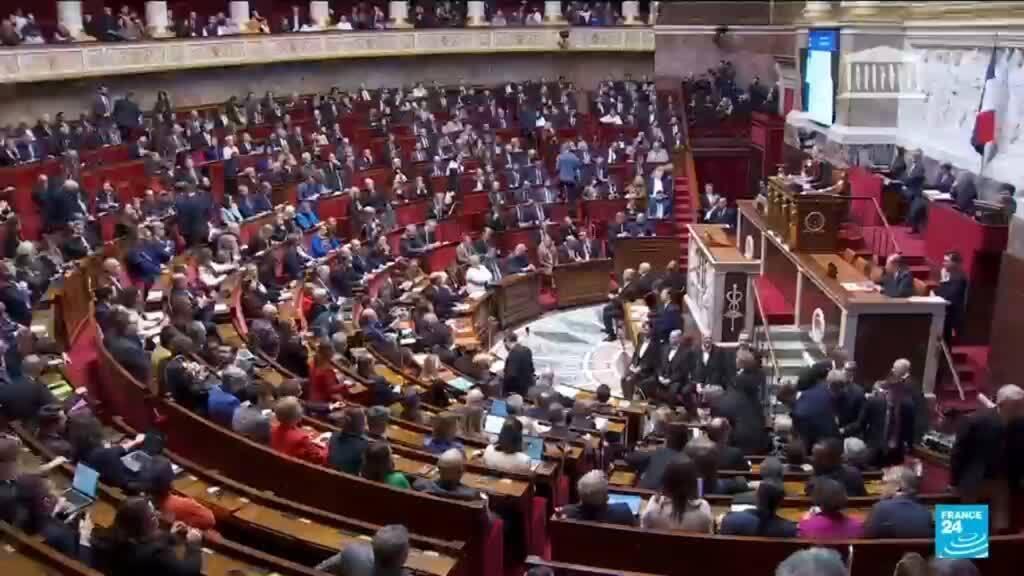
French prime Minister Bayrou Faces Confidence Vote, Sparking Political Uncertainty
French Prime Minister Francois Bayrou is poised to face a confidence vote in parliament on Monday, potentially ending his nine-month tenure and creating fresh political instability for France. The vote comes after bayrou unexpectedly called for a test of confidence to resolve a prolonged dispute over his proposed 44 billion euro austerity budget.
The move surprised even members of his own coalition, signaling a deepening rift within the French government. This challenge places meaningful pressure on president Emmanuel Macron, whose political agenda could be severely hampered by a change in leadership.The situation raises questions about the future direction of French economic policy and the potential for a broader realignment of political forces.
FRANCE 24 reports that Paul Smith, Associate Professor in French History and Politics at the University of Nottingham, is providing in-depth analysis of the unfolding crisis.
Beyond the immediate budgetary concerns, analysts are speculating about the possibility of a new political alliance forming in opposition to Bayrou’s austerity measures. Discussions are reportedly underway, extending from the French Socialists, Ecologists, and Communists to elements within the center-right. This potential coalition, if realized, could significantly alter the balance of power in the French parliament.
The core of the disagreement centers on the scale and scope of the proposed budget cuts. critics argue that the austerity measures will disproportionately impact vulnerable populations and stifle economic growth. The budget is simply too harsh and will do more harm then good,
a source within the Socialist party reportedly stated (name withheld due to ongoing negotiations).
The outcome of Monday’s vote remains uncertain. Though, the possibility of Bayrou’s fall from power underscores the fragility of Macron’s governing coalition and the growing opposition to his economic policies.The situation is being closely watched across Europe, as France plays a key role in the stability of the Eurozone.
France has a history of political volatility, with frequent changes in government. The current crisis reflects broader trends in Europe, were austerity measures have sparked widespread protests and political upheaval. The rise of populist movements and the increasing fragmentation of traditional political parties are also contributing factors to the current instability.
Frequently Asked Questions
- What is a confidence vote? A confidence vote is a parliamentary procedure used to determine whether the government still enjoys the support of the legislature. If the government loses the vote, it is typically required to resign.
- What is the 44 billion euro austerity budget? This budget proposes significant cuts to government spending in an effort to reduce France’s national debt.
- who is Francois Bayrou? Francois Bayrou is the current Prime minister of France, having served in the role for approximately nine months.
- What impact could this have on Emmanuel Macron? A loss of confidence in Bayrou’s government would significantly weaken President Macron’s political position and potentially derail his agenda.
- Is a new political alliance forming? Discussions are underway between various political parties – including socialists, Ecologists, Communists, and some centre-right factions – to potentially oppose the austerity budget.
- What are the main criticisms of the austerity budget? Critics argue the budget will harm vulnerable populations and hinder economic growth.
- Where can I find more facts on this topic? You can find ongoing coverage and analysis from reputable news sources like FRANCE 24.
What are your thoughts on the potential for a new political alliance in France? Do you think these austerity measures are necessary,or will they ultimately harm the French economy? Share your viewpoint in the comments below,or subscribe to our newsletter for more in-depth coverage of global political developments!
