French Pharmacologists Warn of Rising GLP-1 Drug Misuse, Life-Threatening Online Purchases
French pharmacologists warned on Monday that misuse of GLP-1 obesity drugs is rising and that buying them online carries life‑threatening risks.
- 72 adverse‑event reports tied to inappropriate GLP‑1 use in five years, 58% serious, Orange Actualités reported.
- Most patients were young women; five cases involved minors.
- Retatrutide, an unapproved triple agonist, already linked to about 30 serious adverse reports in France.
Pharmacovigilance data reveals misuse scale
Analysis by the French network of Regional Pharmacovigilance Centers (CRPV) identified 72 declarations of adverse effects occurring in a context of inappropriate use of GLP‑1 agonists over the past five years, Professor Jean‑Luc Faillie, head of the CRPV at Montpellier University Hospital, told Orange Actualités. More than half of the cases — 58 percent — were classified as serious. The patients were predominantly young women, and five cases concerned minors.
“This number may appear low, but we work only on the basis of adverse‑event reports,” Faillie said. “Under‑reporting is already very significant in general, but it is probably even more so in these misuse situations, where patients are even less inclined to report the difficulties they have encountered. So this is very probably only the tip of the iceberg.”
What constitutes misuse
Misuse covers non‑respect of indications, contraindications, dosing and monitoring rules, Faillie explained. Some patients are neither obese nor overweight and use the drugs solely for aesthetic reasons. Others have genuine obesity but obtain treatment outside any medical framework — via the internet or from acquaintances — and may start at excessively high doses instead of the required gradual titration.
Contraindications such as history of pancreatic disease, pregnancy, lack of contraception or eating disorders are not checked. Products bought outside the legal supply chain may also contain other potentially toxic substances, adding the risks of falsified medicines.

Serious adverse effects documented
The pharmacovigilance data show mainly gastrointestinal effects, notably vomiting that can persist for days because the drugs are injected weekly and have long durations of action, sometimes requiring hospitalization. More severe complications include pancreatitis — “very painful, with a risk of multi‑organ failure endangering life” — hepatitis, severe intestinal obstruction and other metabolic complications.
“It is extremely imprudent to buy medicines outside the official pharmaceutical circuit,” Faillie said. “Any treatment obtained on the internet exposes one to this kind of problem, because there is no guarantee on the nature, quantities and purity of the products.”
Oral formulation and unapproved retatrutide raise new concerns
The recent arrival in France of an oral GLP‑1 agonist — launched in early November — could increase misuse by removing the psychological barrier of injection, Faillie warned. No cases have been recorded yet, but vigilance is high.
Of greater immediate concern is retatrutide, a triple GLP‑1/GIP/glucagon agonist still in clinical trials and not marketed anywhere. Despite this, it is available for purchase online. French pharmacovigilance has already recorded about 30 adverse‑event reports, the majority serious.
“Even if it is the actual product under study, I remind you that it is dangerous to use it while clinical trials are not finished and we do not, by definition, have sufficient data on its benefits and risks,” Faillie said.
Celebrity culture drives demand outside medical channels
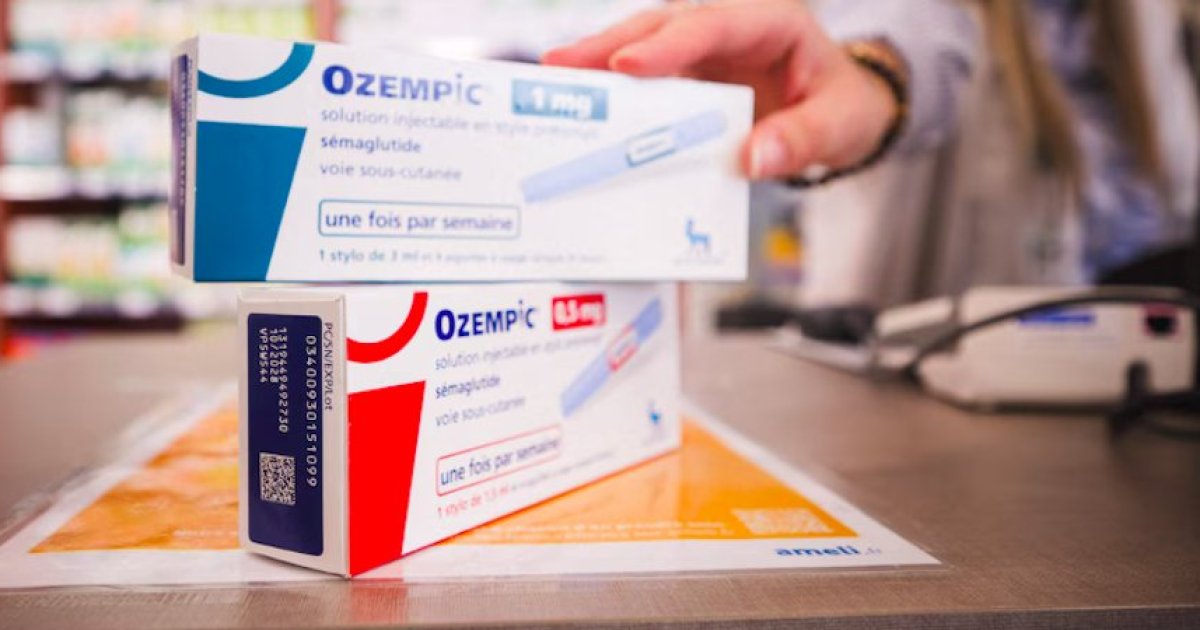
High‑profile figures such as Elon Musk and Oprah Winfrey have been publicly associated with Ozempic, and a growing roster of social‑media influencers promote GLP‑1 agonists for weight loss, Orange Actualités reported, according to Intellinews. The visibility has encouraged people without obesity or diabetes to seek the drugs for purely aesthetic reasons, often turning to the internet or informal networks to obtain them.
The French medicines safety agency (ANSM) issued a fresh warning about this diversion only weeks ago, the same outlet noted. Officials stress that the approved benefit of Ozempic, Wegovy and Mounjaro is real for patients whose blood sugar and weight are managed under medical supervision, but that benefit does not extend to unsupervised cosmetic use.
Retatrutide sold online despite no approval
Retatrutide, a triple GLP‑1/GIP/glucagon agonist still in clinical trials and not authorised for sale anywhere, is nevertheless available for purchase online, Professor Jean‑Luc Faillie told Orange Actualités.
Faillie emphasised that even when the product is genuine, using it before trials are complete is dangerous because sufficient benefit‑risk data do not yet exist. The recent launch in France of an oral GLP‑1 formulation in early November may further lower the barrier to misuse by removing the need for injections, though no cases involving that version have been reported so far.
Rare but known risks in approved use
In France, pharmacovigilance data from the past five years identified 72 adverse-event reports involving inappropriate GLP-1 use, with more than half classified as serious, including cases of pancreatitis.
“These serious cases remain fortunately rare, and they do not call into question the benefit‑risk balance of these products when taken appropriately, because the deleterious effects of obesity can also be harmful,” Faillie said. “However, it is not justified to expose oneself to these risks for purely aesthetic reasons or without respecting the rules of good use.”
The French Society of Pharmacology and Therapeutics issued the alert to reinforce that message.