French National Assembly Adopts Law on High Cost of Living in Overseas Territories
The French National Assembly definitively adopted a law on Friday designed to combat the high cost of living in Overseas Territories by strengthening economic regulation and competition rules.
The legislation targets persistent price discrepancies, particularly in food, by implementing mechanisms to curb monopolistic practices and enforce corporate financial transparency.
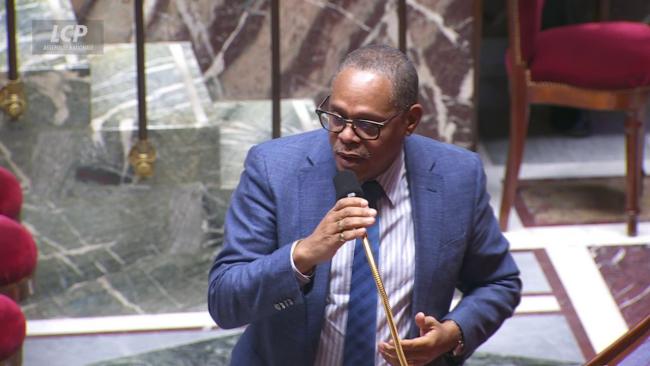
The cost-of-living crisis remains a critical fiscal issue for French territories, where import dependence and limited supply chain diversity drive up consumer prices. Deputy Christian Baptiste, the rapporteur for the Socialist group, noted the urgency, stating that “in 2026, the essential items we consume still arrive by the Hexagon’s ship, and certain groups, always the same ones, control the importation, logistics, and large-scale distribution” (LCP), according to LCP – Assemblée Nationale.
This regulatory effort seeks to address the structural reliance on a few major corporate players who currently manage the entire logistics and distribution pipeline.
Bridging the Price Gap with Regulatory Controls
The core financial problem addressed by the bill is the significant price variance between Metropolitan France and its territories. Data from INSEE indicates that, in 2022, food products averaged 38% more expensive in the Overseas Territories compared to the Hexagon (LCP). This disparity translates into tangible economic strain, particularly in islands like Guadeloupe, where food prices are reported to be 42% higher than in the mainland, Mayotte Hebdo reported.
The adopted law introduces several targeted interventions to improve market efficiency and mitigate profiteering. One key measure focuses on controlling “back margins”—financial incentives provided by suppliers to distributors in exchange for preferential placement or promotion of goods.
To cap this practice, the law proposes an experimental framework to limit these back margins to a maximum of 10% of the net sales figure (LCP). This cap, which applies to specific products and is set by decree, is intended to curb potential price inflation driven by these opaque commercial agreements.

The application of this new framework directly impacts the operational leverage of distributors.
Three Mechanisms Restructuring Overseas Markets
The bill constitutes a multifaceted regulatory shift, designed to tackle market concentration and corporate non-compliance simultaneously.
- Enhanced Corporate Governance: Granting prefectural authorities the power to mandate corporate compliance, specifically requiring directors of failing companies to file accounts under penalty of severe daily fines (LCP).
Mandating Corporate Financial Accountability
Another critical element of the legislation targets corporate governance failures, which may allow structural inefficiencies or poor management to contribute to higher consumer costs. The text empowers regional prefectures to compel the presidents of local Commercial Courts to enforce the filing of accounts by non-compliant business leaders (LCP).
This enforcement mechanism carries significant financial weight: the court president can impose a daily penalty of up to €1,000 for each day of delayed filing (LCP).

This focus on compliance addresses a systemic weakness. For example, in Martinique, filings show that only 24% of companies are submitting their accounts, compared to 85% in the national average. This regulatory push aims to force better financial hygiene across the operations of the territories.
The Wider Regulatory Landscape and Market Friction
The scope of the legislation extends beyond individual companies to address market structure itself. The bill strengthens the oversight of retail acquisitions by lowering the threshold for monitoring mergers in the retail sector, from €5 million to €3 million. This aims to give the competition authorities greater authority to prevent market consolidation that could stifle competition and sustain high prices.
However, the implementation of these rules is met with resistance and political reservations. The Fédération des entreprises des outre-mer (FEDOM) has explicitly called for the removal of the back margin cap, arguing that these financial arrangements compensate for real commercial services like product promotion.
These debates highlight the complex relationship between government intervention and private sector operational autonomy. While the legislators aim to dismantle monopolistic practices, the private sector argues that such caps may jeopardize the viability of local distributors.
The political trajectory of the legislation remains complex. While the National Assembly adopted the bill, it is not the final word. The government’s major planned law, which was adopted by the Senate in October 2025, is still awaiting its final passage through the National Assembly (LCP). The Overseas Minister, Naïma Moutchou, indicated that a possible review of the enacted measures could occur "as early as January 2027" (Lemonde.fr).
Baptiste, born in 1962, was elected to the National Assembly in 2022, representing Guadeloupe’s 2nd constituency for the Progressive Democratic Party of Guadeloupe. He entered the Assembly by defeating the incumbent Justine Benin, taking 58.65% of the vote in the second round.
Before his parliamentary career, he served as mayor of Sainte-Anne in Guadeloupe, a background that has anchored his work on issues affecting the archipelago, including the price disparities highlighted in the legislation he steered through the Assembly.
Christian Baptiste acknowledged that the newly passed legislation is not a complete solution to the cost of living crisis, stating that “we still have work to do” (LCP).