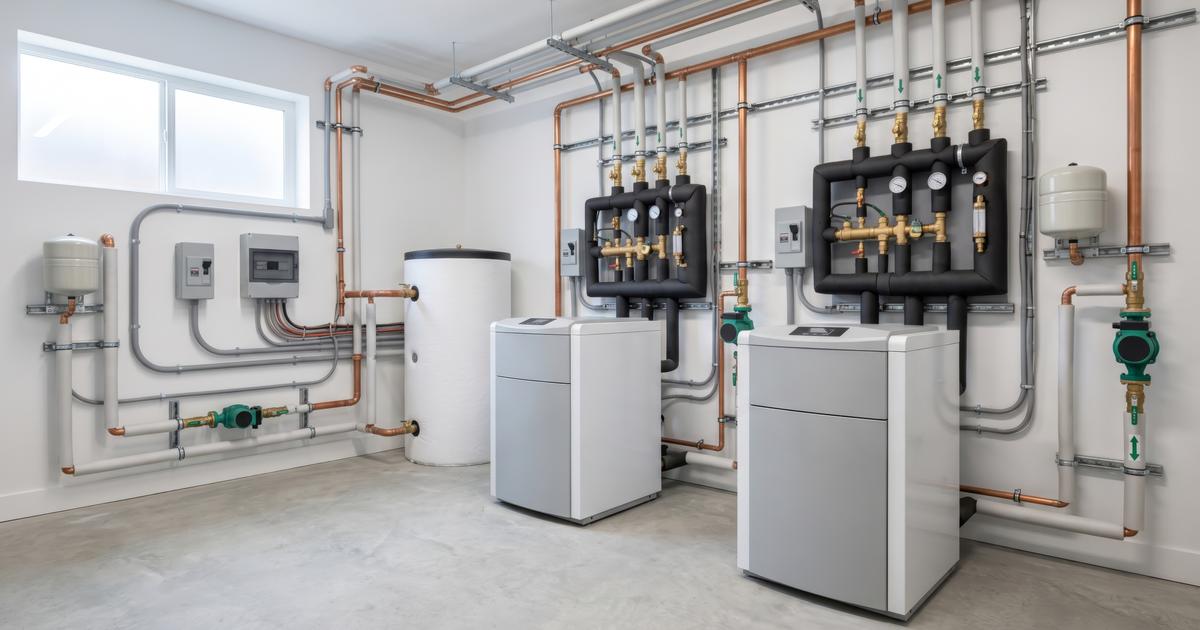
French Court Rules Co-Owners Must Pay for Common Equipment Charges Despite Personal Disconnection Choice
On November 5, 2026, the Court of Cassation ruled that apartment owners must pay for shared building equipment even if their specific unit is not hooked up to it, provided the installation has potential utility for the property.
The third civil chamber of the court handed down the decision following an appeal by a property owner who contested bills for a collective heating and cooling network. Figaro Immobilier reported that the owner sought exemption from charges on grounds that her lot lacked any physical connection to the system.
According to Charente Libre, the owner argued that she should not have to finance equipment offering no direct utility to her space. She pointed out that the building’s general assembly previously voted down her request to connect her specific unit.
Boursorama said that the disputed calls for funds covered both current operating expenses and renovation work for the thermal network. The owner’s lot consisted of a plateau converted into offices already equipped with its own independent heating system.
Technical Possibility Versus Personal Choice
Judges rejected the exemption request after determining that the general assembly’s refusal to approve the connection did not create a true legal or technical barrier. The vote merely showed that the other co-owners refused to let the wider condominium finance the private connection costs.

The court observed that the hookup remained entirely feasible from a technical standpoint. The owner chose not to proceed with the installation due to personal financial and aesthetic preferences.
Because the network could have been linked to her office space, the installation retained objective utility for her lot. That potential utility legally binds every owner to contribute their proportional share of the upkeep and upgrade costs.
The Court of Cassation, established in 1790 as the Tribunal of Cassation during the French Revolution, serves as France’s supreme court for civil and criminal matters. Its Third Civil Division, known as the “Land Court,” specializes in immovable property, housing, and construction law, and issued this ruling on common equipment charges.
French property law ties financial obligations to the potential usefulness of common elements rather than actual individual consumption or voluntary disconnection. Owners who choose independence for personal reasons still face mandatory maintenance fees.