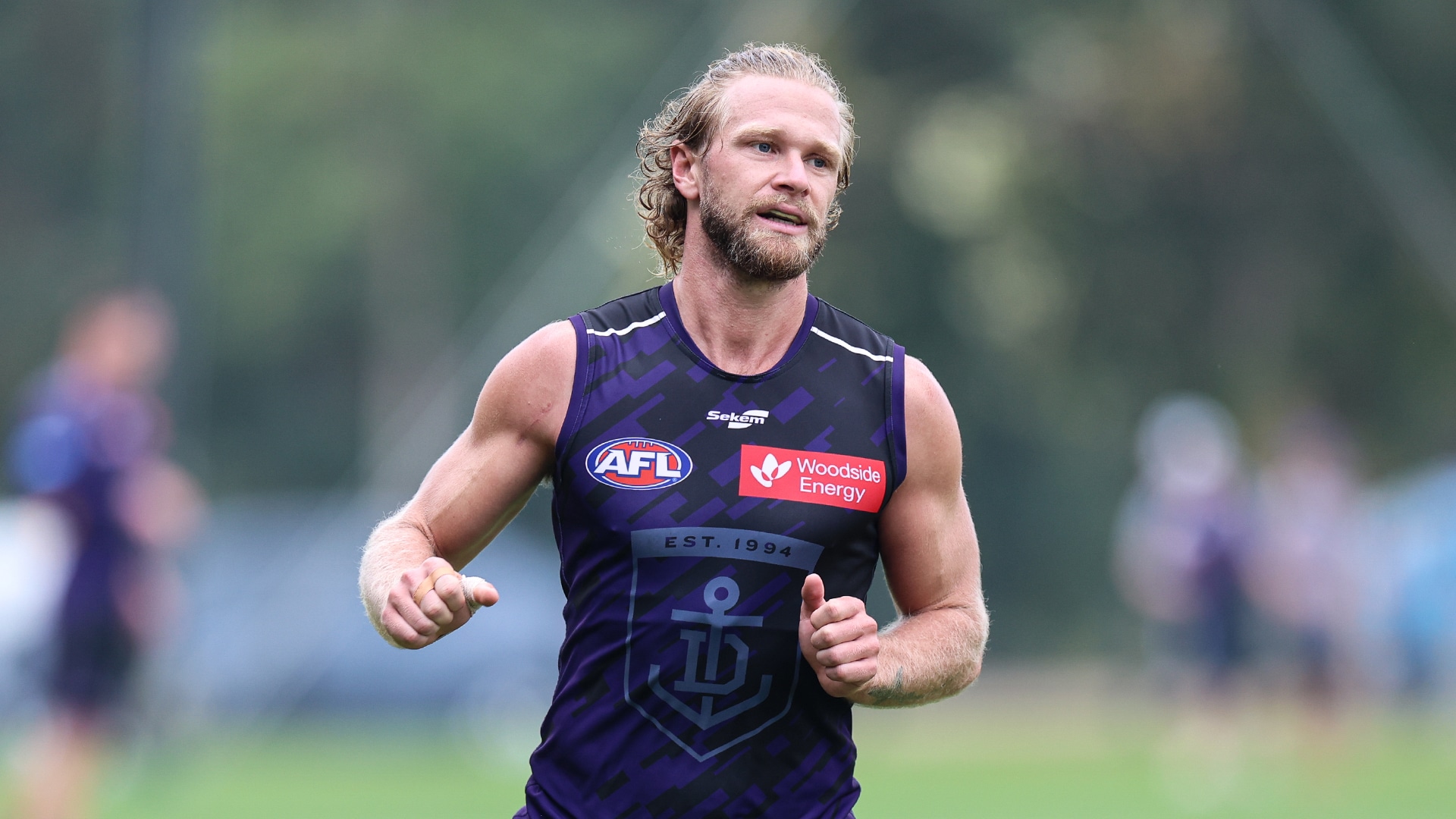
Fremantle Dockers Round 11 Injury Update and Key Player Returns
Fremantle Dockers enter Round 11 navigating a critical junction in their season, as injury updates for Jaeger O’Meara, Corey Wagner, and Hayden Young force tactical re-evaluations. The club faces significant pressure to maintain momentum, balancing immediate roster health against the long-term physical demands of a rigorous AFL campaign.
Strategic Roster Management and the Impact of Load Management
The current injury report from the Fremantle Dockers provides a granular look at the volatility of professional sports. Jaeger O’Meara (face) and Corey Wagner (abductor) are listed as tests, while Hayden Young remains sidelined with a concussion. For a franchise operating at the elite level, these status updates are more than mere roster notes; they represent a complex puzzle of periodization and load management. When key personnel are unavailable, the coaching staff must pivot, often relying on depth players who may lack the high-level match fitness required to execute complex tactical schemes against top-tier opponents.
The absence of players like Young—who serves as a critical connector in the transition game—forces the team to adjust their defensive structure. Without his specific output, the team’s efficiency, often measured in modern analytics by disposal efficiency and intercept marks, is inevitably tested. This is where the gap between professional and amateur sports becomes stark. While the Dockers employ a full suite of medical staff to oversee recovery protocols, local organizations must often bridge this gap by utilizing specialized sports physiotherapy clinics to prevent common soft-tissue injuries from becoming career-altering events.
The Economic Ripple Effect of Professional Sporting Success
The health of a professional sports team is inextricably linked to the economic vitality of its home city. When the Dockers chase victory, the local economy benefits from increased foot traffic in hospitality districts, heightened demand for stadium logistics, and robust broadcast engagement. However, when injury lists grow, the on-field quality risks a dip, which can impact fan sentiment and, regional revenue streams. Managing a professional squad in a high-stakes environment requires more than just talent; it requires a sophisticated infrastructure of support services.
Franchises often rely on premium event management and security vendors to maintain operational excellence during high-attendance matches. Any disruption to the playing roster can cause a knock-on effect in how these services are deployed, particularly if the team’s performance impacts ticket sales or merchandise movement. For the business side of the club, the primary objective is to maintain the “brand promise” of excellence, even as the human cost of the game—the injuries—threatens to destabilize the starting lineup.
The Clinical Reality of the Injury List
Looking at the official injury report, the path to recovery for the squad is varied. The physical toll on athletes in the AFL is immense, with high-impact collisions and constant anaerobic bursts creating a high probability of injury throughout the season. According to medical experts, the transition from “test” status to full match-day readiness is a delicate balance of physiological markers.
“The return-to-play protocol is not merely about the absence of pain; it is about reaching a threshold of functional capacity that ensures the athlete can withstand the high-velocity demands of the game without risking a secondary, more severe injury,” notes a senior sports rehabilitation consultant.
This reality underscores the importance of early intervention and professional legal guidance when contracts and performance bonuses are on the line. Athletes and front-office executives often require the assistance of specialized sports law firms to navigate the nuances of the Collective Bargaining Agreement, particularly when career longevity is threatened by recurring injuries.
Analyzing the Tactical Pivot
As the Dockers prepare for upcoming fixtures, the tactical whiteboard becomes the most important tool in the facility. The potential recall of experienced players, as noted in recent coverage of the club’s preparation, suggests a move toward stability. By integrating seasoned veterans who understand the system, the coaching staff can mitigate the loss of younger, injured players. This is the essence of depth-chart management: ensuring that the “next man up” is not just a placeholder, but a functional asset capable of maintaining the team’s tactical identity.
the Dockers’ ability to navigate this injury-plagued period will define their standing in the league. Success in professional sports is rarely about the absence of adversity; it is about the speed and efficiency with which an organization responds to it. Whether it is through advanced medical intervention, strategic roster rotation, or the support of high-level professional services, the path to the finals is paved by those who manage their resources—both human and financial—with the greatest precision.
For those looking to replicate the high-performance standards of professional organizations within their own local sports programs, the World Today News Directory offers a curated list of professionals, from medical specialists to legal experts, dedicated to the business and health of athletics.
Disclaimer: The insights provided in this article are for informational and entertainment purposes only and do not constitute medical advice or sports betting recommendations.
- Caserio Ciudad Real vs BM Torrelavega: ASOBAL form, head-to-head and tips for November 21
- Cycling Legends Merckx, Hinault, Froome, Vollering to Meet Pope Leo XIV at Vatican
- Jessie J Returns to Instagram After Breast Reconstruction Surgery (newsdirectory3.com)
- Eddie Redmayne Returns as The Jackal in Season Two (time.news)