
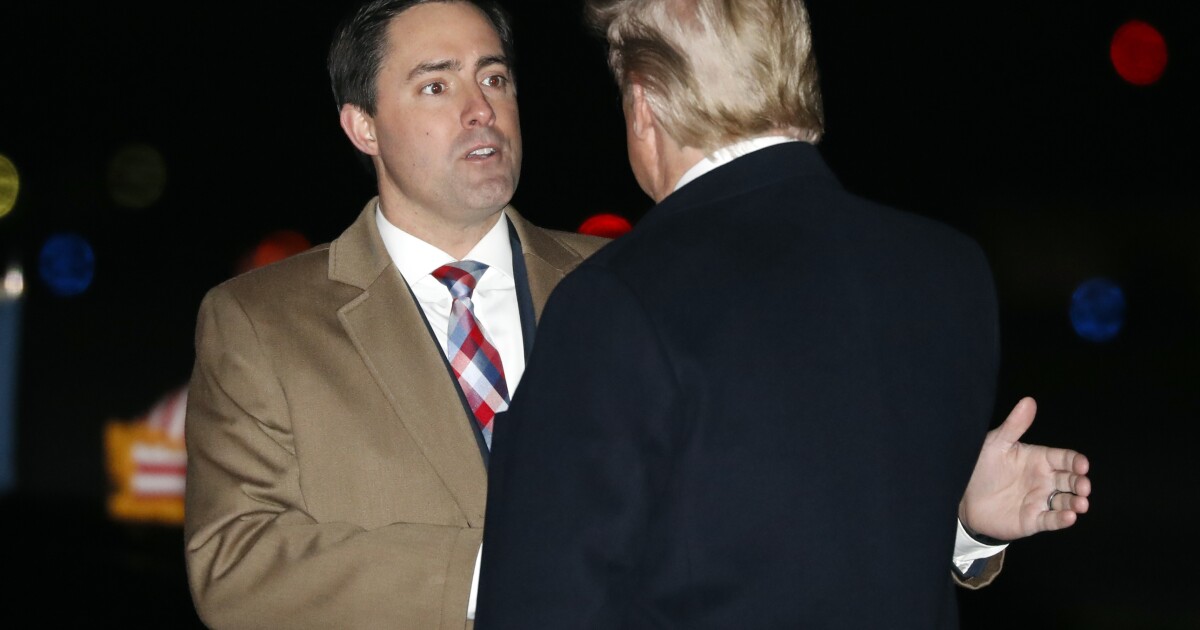
Frank LaRose Faces Criticism for Sharing Ohio Voter Data with Trump Administration
Ohio Secretary of State Frank LaRose surrendered private voter data on 8 million residents to the Trump Department of Justice in February 2026. Unlike 49 other states, Ohio included driver’s license and Social Security details. This unprecedented transfer raises immediate concerns regarding voter privacy, potential federal overreach, and the security of personal identification information across the Midwest.
The National Divide: Ohio Stands Alone
Most algorithmic news feeds operate on a simple, unspoken premise: attention is the metric. But in the realm of election integrity, data is the currency. When the Trump Administration issued requests for voter lists to all 50 states, the response varied dramatically. Forty-nine states and the District of Columbia received these demands. Most complied partially, submitting only publicly available lists. Some, like Kentucky, refused to respond at all.
Ohio stands as a stark outlier. It remains one of only 12 states that willingly turned over everything requested. This includes sensitive private information on voters that typically remains shielded under state privacy laws. The transfer occurred in February, following an earlier agreement in December where LaRose shared 1,000 randomly selected driver’s license records with the Department of Homeland Security. In return, Ohio gained access to the Systemic Alien Verification for Entitlements (SAVE) system. Critics argue this exchange does not justify the capitulation of 8 million voter records.
The Brennan Center for Justice monitors these federal requests closely. Their findings suggest a concerted campaign to interfere with future elections. This encroachment challenges the constitutional power of states to run their own elections. The implications ripple outward from Columbus to every county clerk’s office in the state.
| State Response Category | Number of States | Data Provided |
|---|---|---|
| Full Compliance (Private Data) | 12 (Including Ohio) | DL, Partial SSN, Voter Reg |
| Partial Compliance (Public Data) | 37 | Name, Address, Party Affiliation |
| No Response / Refusal | 1 (Including Kentucky) | None |
Local infrastructure relies on trust. When citizens register to vote, they provide private personal information to participate in our democracy. They deserve absolute confidence that their data will be protected. State Rep. Allison Russo, a Democratic candidate running to follow LaRose into the secretary of state office, highlighted this breach of trust. She noted that LaRose betrayed and failed the people of Ohio. Her concerns mirror those of constituents across Upper Arlington and beyond.
Legal Ramifications and Privacy Risks
Combining driver’s license numbers with partial Social Security numbers creates a high-value target for identity thieves. This data suite allows bad actors to open credit lines, file fraudulent tax returns, or manipulate voter registration status. The risk extends beyond political maneuvering into tangible financial harm for Ohio families.
Legal experts warn that this precedent weakens state sovereignty.
“When the federal government demands sensitive state-held data without a subpoena or specific legislative mandate, it erodes the barrier between local governance and federal oversight. We are witnessing a normalization of surveillance that citizens did not consent to,”
said a senior attorney with the ACLU of Ohio in a statement released this week. This perspective underscores the tension between federal authority and local privacy statutes.
LaRose’s press secretary did not reply when asked if the secretary of state had queried the Trump administration on their intended use of the information. The silence speaks volumes. State Sen. Bill DeMora, a Columbus Democrat, suggested a simple explanation. He believes LaRose’s cult leader asked him to do it, and he always does what Trump wants him to do. DeMora remains certain that Trump wants to use all of this information against Democrats.
President DJT recently posted on Truth Social regarding the “Radical Left, Highly Incompetent, Democrat Party.” While his claim about the “death of Iran” appears premature given ongoing regional conflicts, his war on political opponents is clear. Frank LaRose acts as a willing soldier in that war. He helps without questions asked. This dynamic shifts the balance of power in Washington and Columbus alike.
Protecting Your Digital Footprint
Residents facing this exposure must take proactive steps. Monitoring credit reports and freezing access to personal financial data becomes essential. For those concerned about voter registration integrity, verifying your status through the Ohio Secretary of State website is the first line of defense. Understanding how your data flows between agencies helps mitigate risk.
Navigation of these penalties requires logistical precision. Developers and citizens alike are consulting top-tier constitutional law attorneys to shield their assets and privacy rights. Legal recourse may depend on future litigation regarding the Fourth Amendment and privacy acts. Having counsel ready ensures you are not reacting after the damage occurs.
Civic organizations play a vital role in holding officials accountable. Groups focused on election transparency often provide resources for voters to understand their rights. Engaging with local voting rights advocacy groups empowers communities to demand better stewardship of their personal information. These organizations track legislative changes and offer guidance on how to opt-out of certain data sharing where possible.
The Road Ahead for Ohio Elections
Long-term impact defines this event. As the 2026 election cycle progresses, the usage of this data remains unknown. Will it target specific demographics? Will it influence districting? The uncertainty creates anxiety among 8 million registered voters. This anxiety drives voters to seek identity theft protection services at higher rates than previous years.
Macro-economic analysis suggests that data breaches of this scale cost states millions in potential liability and security upgrades. Ohio may face future costs to secure remaining databases against further federal requests. Municipal laws might tighten around data handling to prevent recurrence. Regional economies depend on stable governance; instability in election administration shakes consumer confidence.
Transparency remains the antidote to speculation. The Brennan Center for Justice continues to publish trackers on these requests. Citizens should review these documents to understand the scope of federal reach. The Department of Justice holds the data now, but public oversight determines its future use.
Democracy functions on confidence. When private information becomes a bargaining chip for political favor, that confidence fractures. Frank LaRose opened the door. The question now is not whether the data exists, but who holds the key. As we move through 2026, voters must remain vigilant. Securing your digital identity is no longer optional; This proves a civic duty. For those seeking to fortify their personal data against these unprecedented demands, connecting with verified data privacy consultants offers the strongest shield available in our comprehensive global directory.