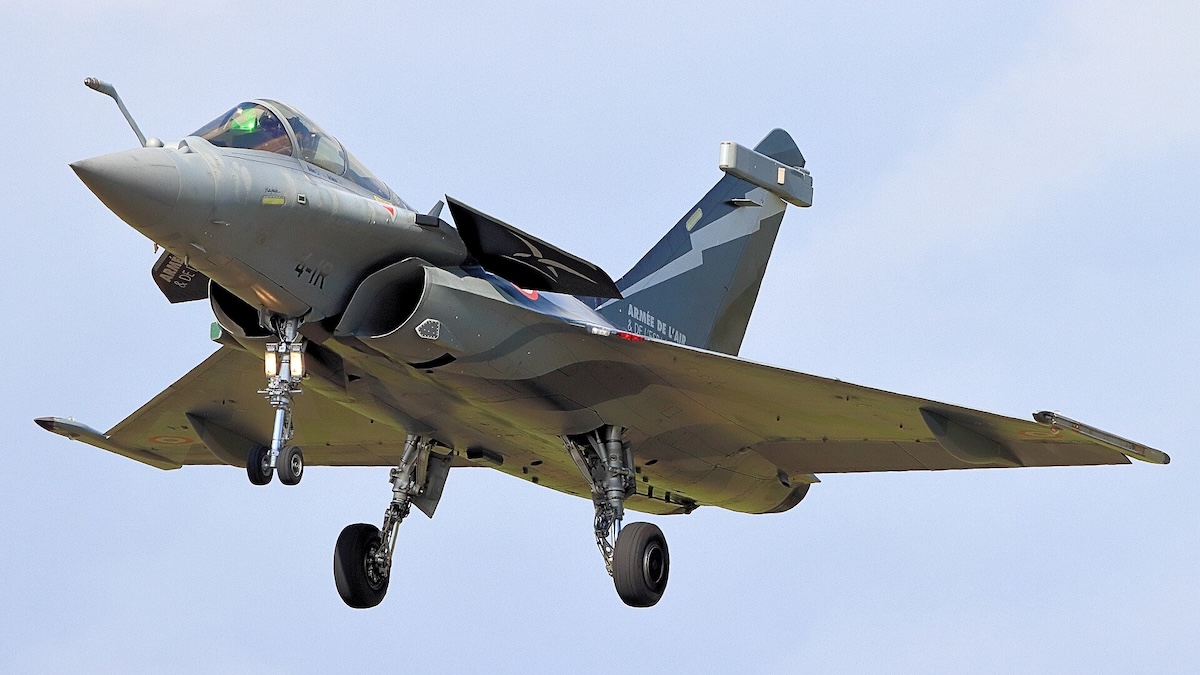
France’s Forward Deterrence: Deploying Nuclear Forces in Europe
President Emmanuel Macron has fundamentally altered European security architecture by introducing “forward deterrence,” a doctrine allowing French Strategic Air Forces to deploy nuclear capabilities across allied European territories. This shift aims to ensure survival through dispersal, signaling a departure from traditional centralized command to a more distributed, continental defense posture.
The logic is simple: survival through dilution. By spreading strategic assets across the European continent, France intends to make it impossible for an adversary to neutralize its second-strike capability in a single, coordinated blow. However, the transition from a theoretical doctrine to a physical presence on foreign soil creates a volatile friction point between national sovereignty and collective security.
This isn’t just a military maneuver; it is a geopolitical earthquake. For decades, the “Force de Frappe” was the crown jewel of French autonomy—a strictly national asset. By offering to disperse these assets, Macron is effectively blurring the line between French sovereignty and NATO-style nuclear sharing, even though France remains outside NATO’s integrated military command.
The End of the Fortress Mentality
Historically, France maintained a “fortress” approach to its nuclear triad. Submarines—the most survivable leg—already “dilute” in the depths of the Atlantic. The air leg, however, remained concentrated. By moving the Strategic Air Forces (Forces Aériennes Stratégiques) into allied territories, France is acknowledging that the speed of modern hypersonic weaponry has rendered centralized airbases obsolete.

This shift introduces a complex layer of legal and diplomatic risk. Any host nation accepting French nuclear assets must navigate a minefield of domestic legislation and public outcry. We are seeing an immediate need for specialized international law firms capable of drafting bilateral status-of-forces agreements (SOFAs) that reconcile French command authority with host-country jurisdiction.
“The move toward forward deterrence is a pragmatic admission that the era of ‘strategic depth’ is over. In a world of precision strikes, the only way to survive is to be everywhere and nowhere at once.” — Dr. Elena Moretti, Senior Fellow at the European Security Institute.
The logistical ripple effects are staggering. Deploying these forces requires not just runways, but hardened infrastructure, secure communications and specialized fuel depots. This creates a sudden, localized boom in high-security construction and aerospace logistics in the receiving regions.
Mapping the Friction: From Paris to the Periphery
While the official announcements remain broad, the likely candidates for these deployments are nations already integrated into the European defense framework, such as Germany, Poland, or Belgium. However, the arrival of nuclear-capable aircraft transforms a civilian airport or a regional military base into a primary target for adversary intelligence and kinetic strikes.
In cities where these assets may land, the local economy will experience the shift. We anticipate a surge in demand for specialized security consultancy firms to protect the perimeter of these “dispersed” sites and the civilian infrastructure surrounding them. The tension between military necessity and municipal zoning laws will likely lead to protracted legal battles over land employ and environmental impact.
To understand the scale of this shift, we must compare the current centralized model with the proposed forward deterrence model:
| Feature | Traditional French Doctrine | Forward Deterrence (2026) |
|---|---|---|
| Asset Concentration | Centralized in French territory | Distributed across EU allies |
| Risk Profile | High-value target clusters | Diluted, unpredictable targets |
| Command Structure | Strictly National (Presidential) | National command / Allied hosting |
| Infrastructure | Fixed strategic airbases | Dynamic, multi-site deployment |
The risk of “mission creep” is high. If French forces are permanently stationed in a partner state, the political pressure to integrate those forces into broader regional defense initiatives becomes irresistible. This is exactly what the U.S. Department of Defense has managed for decades through NATO, but for France, it represents a delicate balancing act between leadership, and independence.
The Hidden Cost of Dispersal
The source material focuses on the “logic” of survival, but it ignores the “friction” of implementation. Forward deterrence requires an unprecedented level of trust. If a host nation undergoes a political shift toward neutrality or anti-nuclear sentiment, France faces the nightmare scenario of its strategic assets being “locked out” or restricted by a host government during a crisis.
the economic impact on local jurisdictions cannot be overstated. The deployment of strategic assets often brings “defense spending” that can distort local real estate markets. Municipalities may find themselves needing urban planning consultants to manage the sudden influx of military personnel and the accompanying infrastructure strain.
“We are not just talking about planes on a tarmac. We are talking about the relocation of the most sensitive technology on earth. The security protocols required will essentially create ‘mini-states’ within our municipal borders.” — Marc Dubois, Former Regional Prefect.
For a deeper dive into the legalities of such deployments, one should reference the United Nations Charter regarding sovereign immunity and the NATO Strategic Concept, which outlines the existing nuclear-sharing frameworks that Macron is now subtly mimicking.
The strategic air force dispersal is a gamble on the “deterrence of the unexpected.” By making the target list unpredictable, France hopes to paralyze the decision-making process of an aggressor. But in doing so, they have turned the European continent into a giant chessboard where every landing strip is a potential flashpoint.
As the map of European security is redrawn, the gap between high-level geopolitical strategy and ground-level reality widens. The “logic of survival” may satisfy the generals in Paris, but for the cities and businesses caught in the wake of this dispersal, the reality is one of increased risk and complex regulatory hurdles. Whether you are a municipality facing a sudden military presence or a corporation navigating the novel security landscape, the need for verified, expert guidance has never been more acute. The World Today News Directory remains the essential resource for connecting with the legal and strategic experts equipped to navigate this new era of forward deterrence.