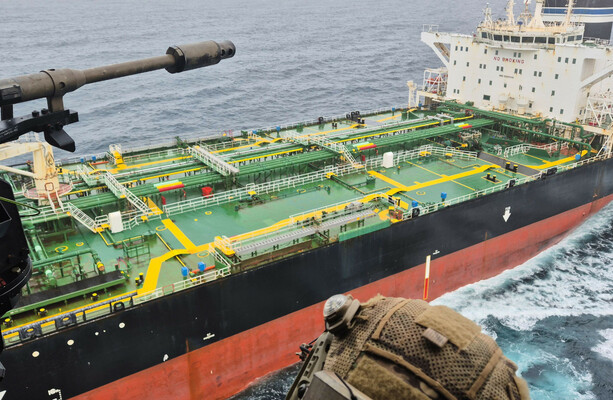
France Seizes Suspected Pirate Vessel Tagor En Route to Africa
French special forces seized control of the Russian-owned oil tanker Tagor in the Atlantic Ocean on June 1, 2026, as it sailed toward African ports, marking a direct escalation in maritime tensions. The operation, confirmed by President Emmanuel Macron via social media, involved helicopter-borne troops from the French Navy and signals a bold challenge to Russia’s shadow fleet operations. Why? The Tagor was suspected of violating EU sanctions on Russian oil exports—a move that could trigger retaliatory economic measures and disrupt global energy markets.
The Shadow Fleet’s Role in Global Energy Markets
Russia’s shadow fleet—comprising tankers reflagged under third-party flags—has become a critical tool for bypassing Western sanctions. Since 2022, these vessels have transported an estimated 1.2 million barrels per day of discounted crude to Asia and Africa, undercutting global prices and starving sanctioned economies of revenue. The Tagor, registered in Panama but linked to Russian oligarchs, was en route to a port in West Africa, where it would have offloaded cargo to a Chinese-owned refinery.
This seizure is not an isolated incident. In 2024, the U.S. Navy intercepted a similar vessel, the Vitaly Korotkov, in the Red Sea, while the UK and Norway have both boarded suspicious tankers under sanctions enforcement protocols. France’s move, however, is the first by a European power to physically seize a vessel in international waters—a legal gray area that could set a precedent for future operations.
“This is a game-changer. If France can demonstrate that they’ve acted within international law, it could embolden other nations to take similar action. But if they’ve overstepped, we could see retaliatory measures that destabilize global trade routes.”
Legal and Economic Fallout: Who Wins and Who Loses?
The Tagor incident forces a reckoning with three critical questions:
- Legal Authority: Did France act within the UN Charter’s right of visit? Maritime law experts argue that boarding a vessel in international waters requires “reasonable suspicion” of piracy or smuggling—not sanctions evasion. France’s justification hinges on whether the Tagor was carrying sanctioned oil, a claim that will now be tested in court.
- Economic Impact: The seizure could disrupt Russia’s shadow fleet operations, forcing vessels to reroute or adopt even more opaque registration strategies. However, China and India—major buyers of Russian oil—may retaliate by diversifying their supply chains away from Western-aligned ports.
- Geopolitical Signaling: This move aligns with France’s push to lead European defense initiatives. Macron has framed it as a defense of EU sanctions integrity, but critics warn it risks provoking Russia into escalating cyberattacks on French infrastructure.
Regional Hotspots: Where the Seizure Creates New Risks
The Atlantic trade routes connecting Europe, West Africa, and the Middle East are now a flashpoint. Key regions face immediate consequences:
- West African Ports (e.g., Lomé, Togo. Cotonou, Benin): These hubs have become critical for Russian oil offloading due to lax enforcement. Local officials are now scrambling to clarify whether they will accept vessels flagged as “sanctions-compliant” post-seizure. International trade attorneys in these cities are advising port authorities to review their IMO compliance protocols to avoid unintended legal exposure.
- French Overseas Territories (e.g., Réunion, Mayotte): As staging grounds for naval operations, these islands may see increased military presence. Local governments are consulting emergency logistics providers to prepare for potential disruptions to shipping lanes, which could spike fuel costs by 15–20% in the short term.
- Panama: The Tagor’s flag of convenience registration raises questions about Panama’s role in facilitating shadow fleet operations. While the country has denied involvement, its Maritime Authority is under pressure to tighten vessel vetting procedures.
The Long Game: How This Changes Maritime Security Forever
This seizure is not just about one tanker. It’s a test of whether the West can enforce sanctions without triggering a broader conflict. Historically, maritime interdiction has been rare—only 12 such operations have occurred since the Iran nuclear deal sanctions in 2015. But the stakes are higher now:
| Scenario | Likely Outcome | Who Benefits? | Who Suffers? |
|---|---|---|---|
| France’s legal case succeeds | Precedent set for future seizures; shadow fleet routes diversify further. | EU, U.S. (sanctions compliance) | Russia (lost revenue), West African ports (reduced trade) |
| Russia retaliates with cyberattacks | French critical infrastructure (energy, transport) targeted; global supply chains disrupted. | Russia (pressure on EU), China (cheaper oil) | European consumers (higher energy costs), French tech firms |
| No clear legal ruling | Shadow fleet continues with heightened secrecy; no deterrent effect. | Russia (business as usual), reflagged tanker owners | Sanctioned economies (continued revenue loss), global markets (price volatility) |
Who You Need Now: The Directory’s Critical Resources
This development creates immediate needs across three sectors:

- Maritime Legal Defense: Shipowners and port operators facing sanctions-related seizures should consult specialized maritime attorneys to navigate UNCLOS and EU sanctions law. Firms like Paris-based Cavendish Marine Law are already fielding inquiries.
- Energy Market Hedging: Companies exposed to Russian oil price swings are turning to commodity risk analysts to model scenarios where shadow fleet disruptions cause supply shocks. London and Singapore-based firms are leading in this space.
- Port Security Upgrades: West African ports may need to invest in real-time vessel monitoring systems to comply with new EU scrutiny. Dutch firm PortSec specializes in retrofitting surveillance tech to high-risk terminals.
The Kicker: A Warning from the High Seas
President Macron’s gamble has sent shockwaves through global trade. The question now isn’t whether this seizure will work—it’s whether it will spark a chain reaction. If other nations follow suit, the Atlantic could become a new battleground. But if the legal backlash is severe, we may see a de facto partition of the oceans: one set of rules for sanctioned states, another for the rest.
One thing is certain: the professionals who thrive in this new era will be those who can predict the next move—and those who can protect their clients from it. Whether you’re a shipowner, a port authority, or a trader, the time to act is now. Find the verified experts who can help you navigate the storm.