
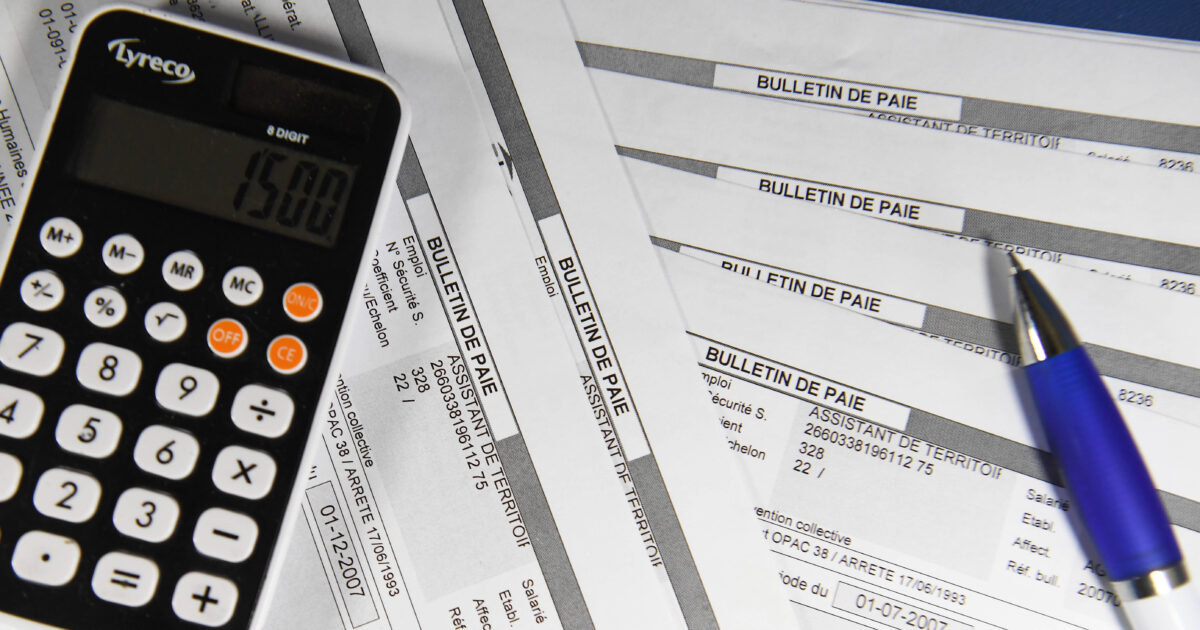
The French minimum wage (SMIC) is now at the center of a structural shift involving wage‑price dynamics. The immediate implication is a modest tightening of household purchasing power that could reverberate thru consumption trends and fiscal balances.
The Strategic Context
Since the early 2000s, France has relied on an indexation mechanism that ties the SMIC to inflation and average wages, a design intended to preserve living standards amid demographic aging and a relatively rigid labor market.Over the past decade, the country has faced a convergence of three structural forces: (1) modest but persistent inflationary pressure across the eurozone, (2) a slowdown in real wage growth due to productivity constraints, and (3) political expectations for social cohesion in a context of rising inequality. The latest 1.18% increase continues a pattern of incremental adjustments that aim to keep the SMIC marginally ahead of price changes while avoiding abrupt shocks to employer cost structures.
Core Analysis: Incentives & Constraints
Source Signals: The decree to raise the SMIC by 1.18% will be discussed in the Council of Ministers.The increase is calculated from inflation (0.9%) and basic hourly wages, resulting in a gross hourly rate of €12.02 and a monthly rate of €1,823.03. The minister notes a cumulative 17% rise since 2021, outpacing the 15% rise in inflation and wages.
WTN Interpretation: The timing aligns wiht the government’s need to demonstrate responsiveness to cost‑of‑living concerns ahead of the annual budget cycle, leveraging the indexation formula as a low‑political‑cost tool. By keeping the SMIC slightly above inflation, policymakers aim to sustain consumer demand, which underpins domestic growth in a mature economy. however, the modest magnitude reflects constraints: fiscal prudence amid EU budgetary rules, pressure from business groups wary of labor cost escalation, and the risk of wage‑price spirals if inflation accelerates. The incremental approach also signals an intent to avoid destabilizing the already tight French labor market, where high employment protection can amplify the impact of wage hikes on hiring decisions.
WTN Strategic Insight
“In mature economies, modest SMIC adjustments serve as a calibrated lever to balance social stability with fiscal discipline, especially when broader inflation remains subdued.”
Future Outlook: scenario Paths & Key Indicators
Baseline Path: If eurozone inflation remains near current levels and wage growth stays modest,the SMIC increase will translate into a slight rise in disposable income for low‑pay earners,supporting household consumption without triggering notable employer cost concerns. Fiscal impact stays within projected budget margins, and the policy reinforces the government’s narrative of social equity.
Risk Path: If inflation accelerates beyond expectations or if a sudden surge in energy prices occurs, the indexation formula could produce larger SMIC adjustments in subsequent periods, intensifying labor cost pressures. This could prompt businesses to curb hiring or shift to automation, and may force the government to confront higher social spending or negotiate wage restraint measures.
- Indicator 1: Eurozone Harmonised Inflation Rate (HICP) releases over the next three months – upward trends would increase pressure for larger SMIC adjustments.
- Indicator 2: French government’s quarterly fiscal balance report – a widening deficit could constrain future wage indexation adaptability.
