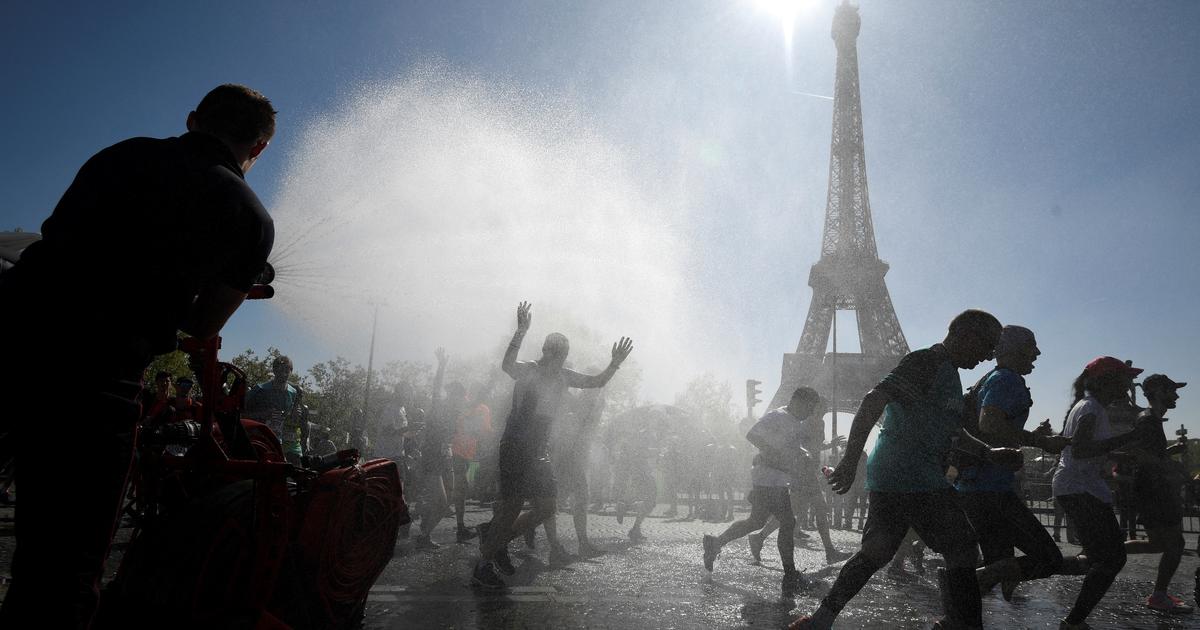
France Heatwave Spreads to 53 Departments with Orange Alert from Southwest to Northeast
As of June 19, 2026, Météo France has issued orange heatwave alerts for 53 departments across France, warning of a prolonged, severe weather event mirroring the record-breaking August 2003 heatwave. The surge in temperatures, stretching from the Southwest to the Northeast, places significant strain on public health infrastructure, energy grids, and regional agricultural sectors.
The Meteorological Precedent of 2003
The comparison to the 2003 heatwave is not merely rhetorical; it is rooted in atmospheric modeling that suggests a high-pressure system—often referred to as a “heat dome”—will remain stationary over Western Europe for an extended duration. According to Météo France, the persistence of these high temperatures overnight prevents the natural cooling cycles necessary to mitigate long-term physiological stress on the population.
Historical data from the Santé Publique France indicates that the 2003 event resulted in over 15,000 excess deaths in France alone. Officials are now emphasizing that the intensity of this current wave, combined with its duration, creates a cumulative risk that exceeds short-term heat spikes.
“The threat is not just the peak temperature reached at 4:00 PM, but the lack of recovery time during the night. We are monitoring the thermal inertia of urban centers, which retain heat far longer than rural areas, posing a severe risk to the elderly and vulnerable,” stated a senior climatologist tracking the regional atmospheric shift.
Urban Infrastructure and Public Health Risks
Heatwaves in mid-June present unique challenges, as many administrative buildings, schools, and private residences in France lack air conditioning systems designed for prolonged extreme heat. This creates an immediate need for specialized climate control solutions.

Municipalities are activating emergency protocols, including the opening of “cool rooms” and the deployment of welfare checks for citizens living in assisted living or home-care environments. For homeowners and business operators, the stress on electrical systems is significant, often leading to failures in aging HVAC infrastructure. Ensuring that ventilation systems are serviced by certified HVAC technicians is a critical defensive measure against interior temperature spikes.
| Metric | 2003 Event | 2026 Current Projection |
|---|---|---|
| Alert Status | Red (Post-facto) | Orange (Proactive) |
| Geographic Reach | National | 53 Departments (Active) |
| Primary Concern | Lack of Preparation | Infrastructure Persistence |
Legal and Economic Implications
The economic impact of a heatwave of this magnitude is expansive. Labor laws in France mandate specific protections for workers exposed to extreme heat, and employers failing to provide adequate water or cooling breaks may face significant liability. Legal experts are currently advising firms on how to adjust operational hours to ensure compliance with national labor safety standards.
Business owners are increasingly turning to specialized labor law firms to navigate these mandates, as the definition of “dangerous working conditions” is subject to strict interpretation by regional labor inspectors. Furthermore, the agricultural sector faces a potential crisis; water restriction orders are being issued in several departments to preserve reserves, leading farmers to consult with water management specialists to mitigate crop loss.
The Resilience Gap
The current situation highlights a growing divide between modern building codes and the reality of rising average temperatures. While new construction is subject to strict thermal regulations, the vast majority of the existing housing stock remains poorly insulated against heat gain.

As the heatwave settles over the country, the primary focus for local authorities remains the mitigation of grid instability. High demand for cooling creates a risk of localized brownouts. Residents are being encouraged to minimize non-essential energy use during peak hours, yet for those with medical equipment or sensitive infrastructure, the reliance on backup power solutions is becoming a necessity rather than an option.
The challenge of 2026 is not merely to survive the week, but to adapt the physical and legal architecture of the nation to a new climate reality. For those managing residential or commercial properties, the priority must shift from reactive cooling to long-term passive heat mitigation. Whether through structural upgrades or the securing of professional support for emergency logistics, the ability to manage this heatwave is a test of organizational and personal readiness. As the mercury continues to climb, the necessity of professional, vetted intervention—whether from disaster response experts or infrastructure consultants—remains the most reliable path to safeguarding both people and assets.