
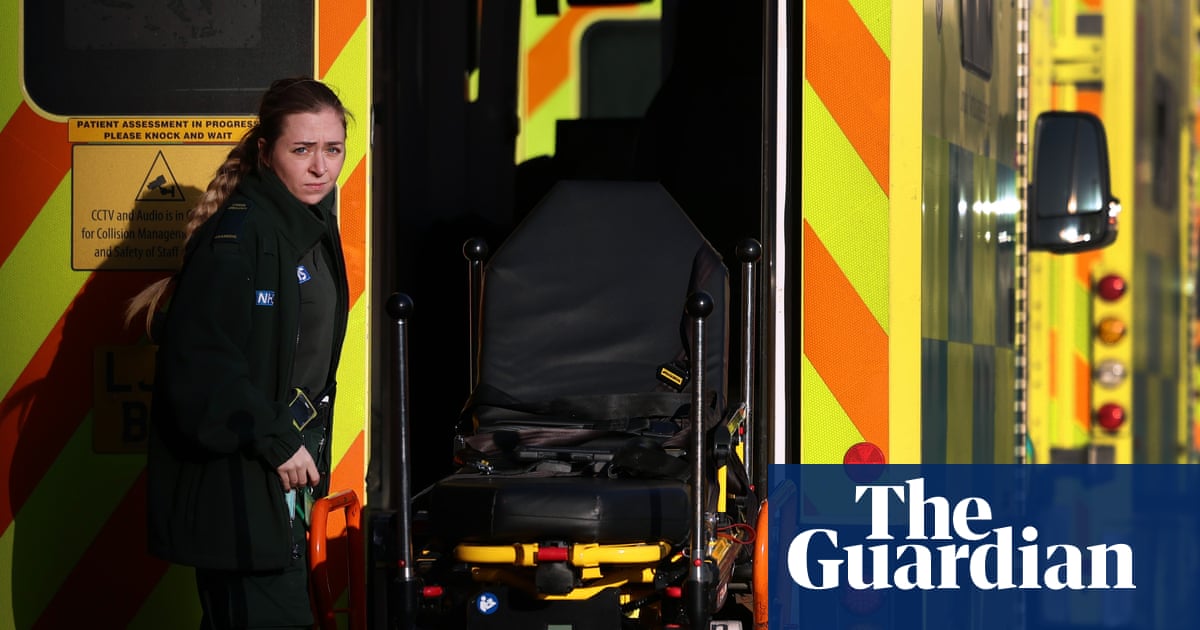
NHS Trusts Declare Critical Incidents Amidst Winter Virus Surge
Four National Health Service (NHS) hospital trusts in England – three in Surrey and one in Kent – have declared critical incidents due too a meaningful surge in patients presenting to A&E departments. This escalation,the highest alert level within the NHS,signals that these hospitals are struggling to deliver services safely and are taking immediate steps to manage capacity.The primary drivers behind this crisis are a sharp increase in cases of influenza, norovirus, and other respiratory viruses, compounded by rising staff sickness and the impact of cold weather on vulnerable patients.
Understanding Critical Incidents in the NHS
A critical incident isn’t simply a matter of being busy; it’s a formal declaration made when an NHS trust faces severe pressures that compromise its ability to provide essential services. NHS England provides guidance on when and how to declare such incidents.This allows trust leaders to implement pre-planned strategies to prioritize care, reallocate resources, and seek external support. These strategies can include postponing non-urgent appointments, redirecting patients to alternative care pathways, and requesting assistance from neighboring trusts.
The Situation in Surrey
NHS surrey Heartlands confirmed that Royal Surrey NHS foundation Trust, Epsom and St Helier University Hospitals NHS Trust, and Surrey and Sussex Healthcare NHS Trust are all operating under critical incident status. According to a statement, the situation is worsened by a confluence of factors: increased influenza and norovirus cases, a rise in staff absences due to illness, and the effects of recent cold weather on frail patients requiring hospital admission. Dr. Charlotte Canniff, Joint Chief Medical Officer of NHS Surrey Heartlands, emphasized that essential services remain open for those needing urgent medical attention, despite the challenges.
east Kent Hospitals Under Pressure
Queen Elizabeth the Queen Mother Hospital (QEQM) in East kent has also declared a critical incident. The trust reported exceptionally high demand, driven by a continuous influx of admissions and a large number of patients suffering from winter illnesses and respiratory viruses.This has led to full bed capacity and limited ability to accept further acute care patients. Sarah Hayes, from East Kent Hospitals, acknowledged the immense pressure on staff and thanked them, patients, and the public for their support.
Why is This Happening? A Deeper Look
The current situation is a complex interplay of several factors. While winter viruses are an annual occurrence, their impact has been amplified this year. Several contributing factors are at play:
- Reduced Immunity: Following periods of reduced social mixing during the COVID-19 pandemic, population immunity to common respiratory viruses like influenza and RSV (Respiratory Syncytial Virus) is lower than usual. This means more people are susceptible to infection.
- Staffing Shortages: The NHS has been grappling with significant staffing shortages for years, exacerbated by burnout and the ongoing effects of the pandemic. Illness among staff further compounds this problem.
- Delayed Care: Backlogs in care resulting from the pandemic mean that many patients are presenting with more complex health needs, requiring longer hospital stays.
- Aging Population: The UK has an aging population, who are more vulnerable to severe illness from respiratory viruses and require more intensive care.
What Does This Mean for Patients?
When a critical incident is declared, patients may experience:
- Longer A&E Wait Times: Due to the high volume of patients and limited capacity, waiting times in A&E departments are likely to be considerably extended.
- Postponement of Non-Urgent Appointments: Hospitals may need to postpone non-urgent operations and appointments to free up resources for emergency care.
- Diversions to Other Hospitals: Ambulances may be diverted to alternative hospitals if the affected hospital is unable to accept new patients.
The NHS is urging the public to use the appropriate services for their needs. For life-threatening emergencies, call 999.For urgent but non-life-threatening conditions, call 111 or visit 111.nhs.uk for advice. Self-care is also encouraged for minor illnesses.
Looking Ahead
The current pressures on the NHS are a stark reminder of the challenges facing the healthcare system. Addressing these challenges will require sustained investment in staffing, infrastructure, and preventative care. Furthermore, public health initiatives to promote vaccination against influenza and other respiratory viruses are crucial in mitigating the impact of future winter surges. The situation is being closely monitored, and the NHS is working to ensure that patients receive the best possible care under difficult circumstances.
Key Takeaways
- Four NHS trusts have declared critical incidents due to a surge in winter illnesses.
- The primary drivers are influenza, norovirus, respiratory viruses, staff sickness, and cold weather.
- Critical incidents allow trusts to implement emergency protocols to manage capacity.
- Patients may experience longer wait times and postponed appointments.
- The public is urged to use the appropriate healthcare services (999 for emergencies, 111 for urgent care).
