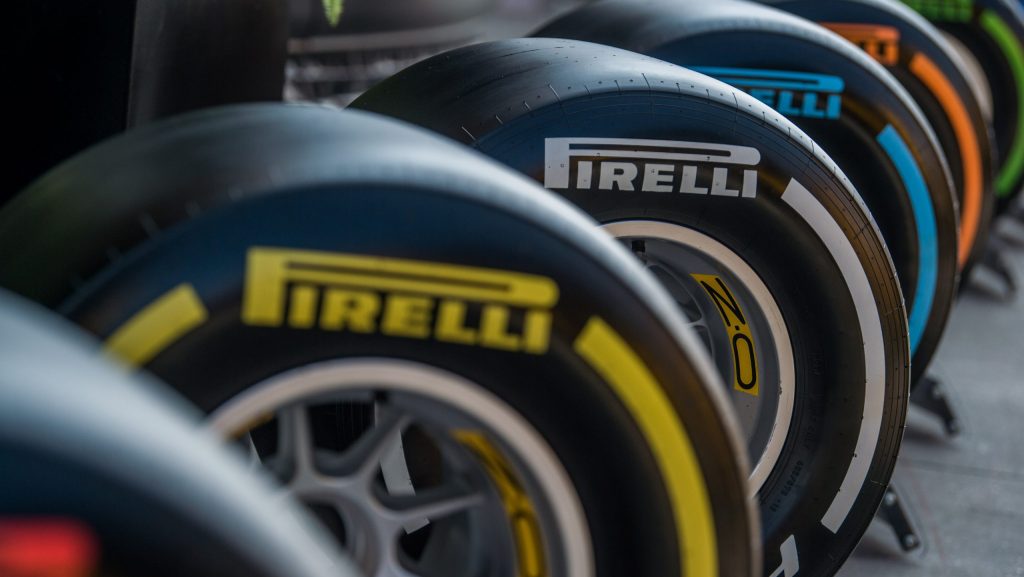
Formula 1 Extends Pirelli Tyre Contract Until 2028
Formula 1 has officially extended its global tyre supply agreement with Pirelli through the 2028 season. The FIA triggered an existing option clause in the current contract, ensuring technical continuity for the sport. This decision maintains Pirelli as the exclusive rubber supplier, a role the manufacturer has held since 2011.
Strategic Stability and Technical Continuity
The decision to exercise the 2028 option, confirmed by the FIA and Formula One management, provides a predictable runway for teams navigating complex aerodynamic regulations. According to the FIA official records, the extension adds one year to the existing 2025–2027 agreement. This continuity is vital for technical directors who rely on consistent thermal degradation data and structural integrity metrics to refine car performance, especially as the sport approaches significant regulatory shifts.

FIA President Mohammed Ben Sulayem stated that the extension secures a “consistently high standard of performance, innovation and safety” for the championship. For the teams, this minimizes the need for radical chassis redesigns centered on tyre-car interaction, allowing engineering departments to focus on marginal gains in downforce efficiency and power unit optimization.
Economic Implications for Host Cities and Infrastructure
The stability of the tyre supply chain has a direct “halo effect” on the regions hosting Grand Prix events. When the FIA confirms a multi-year technical partner, it provides the long-term scheduling certainty required for Formula 1 race promoters to secure regional government funding and hospitality contracts. A stable calendar allows local event managers to optimize logistical pipelines, from high-end catering to specialized event security.
For businesses operating within the periphery of these high-octane environments, the demand for professional services is immense. Organizations like Regional Logistics and Hospitality Vendors often scale their operations specifically to match the multi-year cycle of F1 race weekends. Just as teams rely on Pirelli for data-driven performance, local event organizers must partner with vetted Contract Legal Consultants to navigate the complex liability waivers and venue-use agreements required to operate in high-density sporting zones.
The Competitive Tender Landscape
While the current agreement is locked through 2028, the path forward remains governed by a strict competitive tender process. According to the Sport Industry Group, Pirelli’s position is not permanent; the FIA is legally required to open a formal bidding window for any subsequent cycles. This process forces manufacturers to present rigorous technical proposals, which are then subject to commercial evaluation by Formula One Group.
Internal industry analysis suggests that rival manufacturers continue to monitor the space. The barrier to entry remains high, requiring significant investment in R&D, specialized manufacturing facilities, and the logistics capacity to deliver thousands of tyres to disparate global locations under intense time constraints. Any successful future bidder will need to prove they can match Pirelli’s current integration with the FIA’s safety protocols.
Operational Impact on Performance
For the average fan or amateur racer, the professional rigor applied to tyre management is instructive. Professional teams utilize sophisticated telemetry to monitor tyre pressure and temperature in real-time, adjusting driving styles to combat thermal degradation. While the pros have massive data-science departments to handle this, high-performance club racers or those managing local Youth Athletic Programs often face similar challenges regarding equipment maintenance and safety.
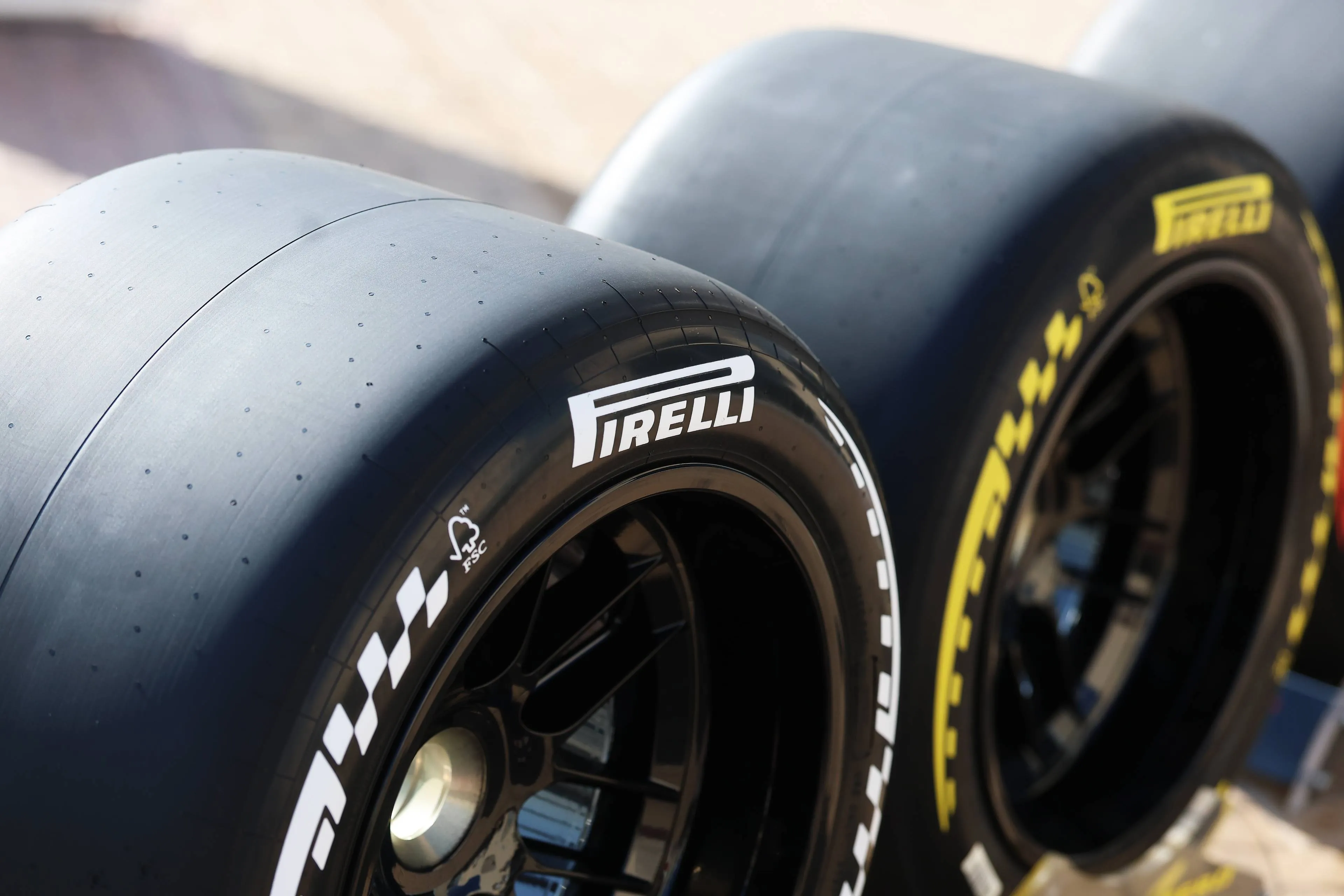
Managing high-performance equipment requires a proactive approach to injury prevention and mechanical reliability. Just as a Formula 1 team employs dedicated medical staff to monitor driver fatigue during the grueling 24-race calendar, amateur athletes and organizations must prioritize access to Vetted Sports Medicine Specialists to manage the physical toll of competitive sports. Long-term success in any athletic field, whether in the paddock or on a local track, relies on the same fundamental pillars: reliable equipment, expert support, and rigorous adherence to safety standards.
| Period | Status | Regulatory Framework |
|---|---|---|
| 2011–2024 | Completed | Legacy Technical Regulations |
| 2025–2027 | Active | Current Technical/Sporting Regs |
| 2028 | Extended | Option Exercised by FIA |
Looking ahead, the focus shifts to how the 2028 extension influences the next round of tender negotiations. With a known expiration date, manufacturers have a clear window to develop proprietary rubber compounds that meet the evolving demands of lighter, more efficient car designs. The sport’s ability to maintain a consistent technical partner remains a cornerstone of its current growth trajectory.
Disclaimer: The insights provided in this article are for informational and entertainment purposes only and do not constitute medical advice or sports betting recommendations.