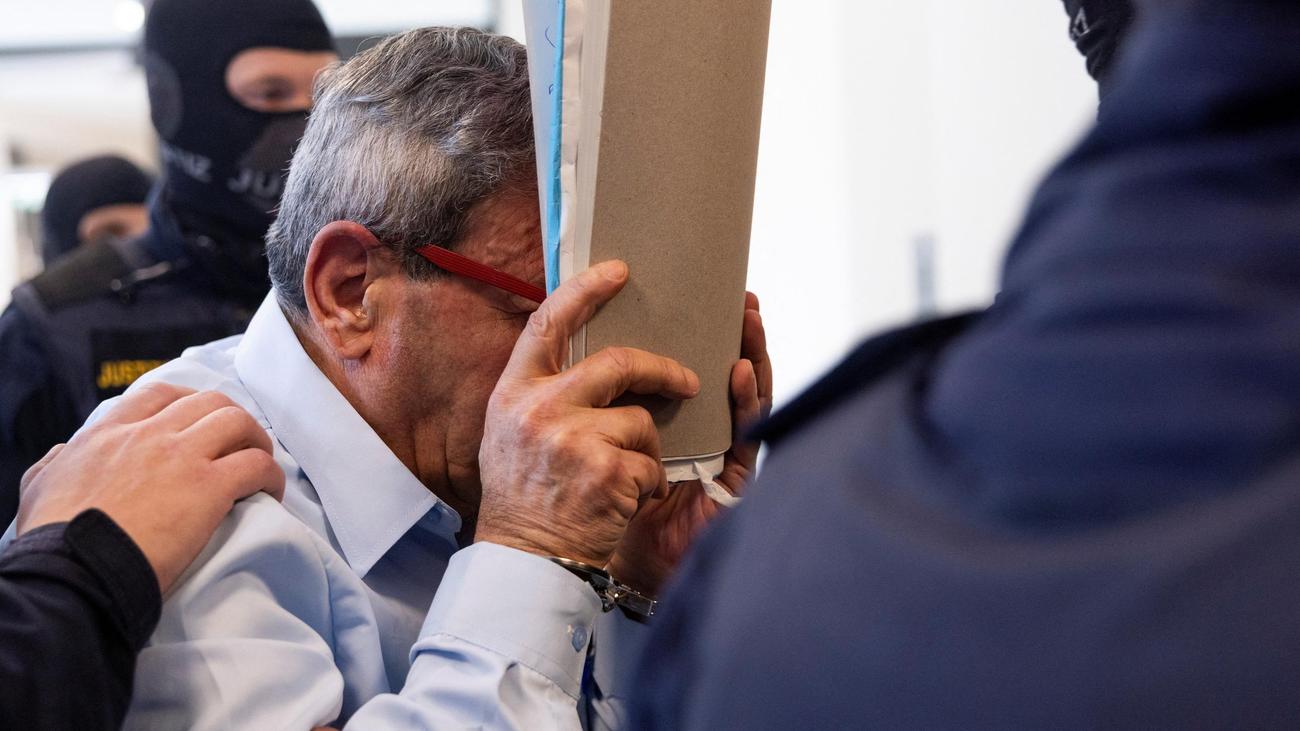
Former Syrian General Faces Torture Trial in Vienna
A former high-ranking Syrian military official is currently on trial in Vienna, Austria, facing charges of crimes against humanity, including torture. The case represents a significant milestone in the application of universal jurisdiction, as European courts increasingly prosecute foreign officials for atrocities committed beyond their borders during the Syrian civil war.
The proceedings in Vienna are not merely a localized legal event; they are a tectonic shift in international accountability. For years, the Syrian conflict has been defined by a sense of impunity that transcends borders. By bringing a former general to the dock, the Austrian judiciary is signaling that the European Union will no longer serve as a quiet sanctuary for those accused of orchestrating systematic state violence.
The defendant, whose identity has been obscured by legal protections, stands accused of overseeing brutal interrogations and physical abuse during his tenure in the Syrian military hierarchy. The prosecution’s case relies on a harrowing collection of witness testimonies—survivors who fled the regime and are now finding a forum for justice in the heart of Europe. The trial highlights the chilling intersection of geopolitical instability and the long reach of international human rights law.
The Evolution of Universal Jurisdiction
Universal jurisdiction allows national courts to prosecute the most serious international crimes, regardless of where they were committed or the nationality of the perpetrators. This is no longer a theoretical exercise but a primary tool of modern diplomacy and justice. As noted by legal experts, the precedent being set in Vienna echoes the landmark trials in Koblenz, Germany, where former Syrian intelligence officers were sentenced for similar crimes.
The trial in Vienna is a manifestation of the ‘long arm’ of international justice. When domestic systems in the country of origin collapse or become weaponized by the state, the international community’s reliance on third-party host nations becomes the only viable pathway for victims to seek redress.
This development underscores the necessity for victims and their families to have access to specialized legal counsel. Navigating international criminal law, refugee status, and the complexities of transnational litigation requires a specific caliber of expertise. Those seeking to understand their rights in the face of systemic persecution or looking to support victims often require guidance from verified human rights legal advocates who specialize in international jurisdictions.
Infrastructure of Impunity vs. The Rule of Law
The logistics of the trial are as complex as the legal theory behind it. Bringing a case of this magnitude to trial requires the coordination of international intelligence, forensic evidence recovery, and the protection of witnesses who remain at risk of retaliation. The Austrian state has had to navigate significant security protocols, reflecting the high-stakes nature of hosting such a polarizing trial.
The following table outlines the key pillars of the prosecution’s strategy compared to the standard challenges faced in such cases:
| Challenge | Strategic Approach |
|---|---|
| Evidence Preservation | Utilizing digital archives and survivor testimony networks. |
| Witness Safety | Implementing protected testimony and secure relocation services. |
| Jurisdictional Hurdles | Applying the principle of Universal Jurisdiction under the Rome Statute framework. |
| Diplomatic Pressure | Maintaining judicial independence from foreign policy interests. |
For organizations and NGOs operating in this space, the trial serves as a reminder that legal documentation is the bedrock of future accountability. The process of gathering evidence from conflict zones is fraught with danger, necessitating the support of specialized risk management and investigative firms that can operate in high-threat environments while maintaining the integrity of evidence for future court use.
The Long-Term Impact on European Policy
The presence of high-level suspects on European soil creates a complex policy dilemma for local municipalities and national governments. As European nations balance the humanitarian duty to provide asylum with the security risks posed by potential war criminals, the pressure on local law enforcement and intelligence agencies to vet incoming populations increases exponentially.
The UN Refugee Agency has long emphasized that host countries must balance the rights of genuine refugees with the imperative to exclude those responsible for grave human rights violations. This requires a robust vetting process that relies on deep-dive background investigations. When institutional gaps exist, businesses and government bodies often turn to professional background screening and forensic intelligence services to ensure compliance with international security standards.
We are witnessing a transition from a reactive posture—where war criminals were largely ignored unless they arrived in the custody of international tribunals—to a proactive, jurisdiction-based enforcement. This shift will likely influence how future refugee policies are drafted, with an increased emphasis on forensic vetting and human rights compliance monitoring.
The Kicker: Accountability in an Age of Displacement
The trial in Vienna is more than a legal proceeding; it is a clinical dissection of a regime’s internal machinery. As the testimony continues, the world is reminded that the distance between a torture chamber in Damascus and a courtroom in Vienna is not measured in miles, but in the enduring, stubborn persistence of those who refuse to let their suffering be erased by history.
For the legal community, for the victims, and for the global observers, this case serves as a stark warning: the sanctuary of borders is shrinking for those who trade in human misery. Justice, though often delayed by the slow grind of bureaucracy and the complexities of international law, remains the ultimate check on absolute power. Ensuring that such justice is carried out effectively requires the absolute best in professional resources. Whether you are a legal entity, a policy researcher, or a victim advocacy group, the path to accountability is paved by those who possess the specialized knowledge to navigate it. To find the experts and organizations best equipped to handle complex human rights and international justice cases, consult the World Today News Directory.