Former Justices and Civil Society Weigh In on STF Institutional Crisis
The intervention arrives on the eve of a pivotal plenary session to decide whether to open a formal investigation into Justice Alexandre de Moraes regarding links to Banco Master controller Daniel Vorcaro.
The institutional friction centers on the boundary between individual accountability and collective court defense. The retired jurist emphasized that the supreme tribunal’s authority stems directly from the constitution and democratic fidelity, meaning personal suspicions cannot be blanketed away by corporate institutional defense.
The Stakes of the Plenary Session
The plenary session scheduled for September 15, 2026, focuses strictly on whether to authorize the progression of investigative material gathered by the Federal Police. As detailed in the coverage, the court will not evaluate guilt or render an immediate punishment during this vote. Instead, the proceedings determine if the legal mechanisms of accountability can move forward without obstruction.
Civil society organizations and former magistrates have mobilized around the court ahead of the vote. Migalhas and O Globo reported the release of public letters supporting Justice Edson Fachin and calling for institutional transparency. Meanwhile, logistical hurdles marked the lead-up, with Diário do Poder noting that former ministers Nery da Silveira and Ellen Gracie would be unable to attend the session in person.
Horácio Lafer Piva warned in Estadão that entering a new governmental cycle with unresolved judicial clouds is deeply destructive to the nation’s democratic institutions.
Institutional Autonomy Versus Individual Immunity
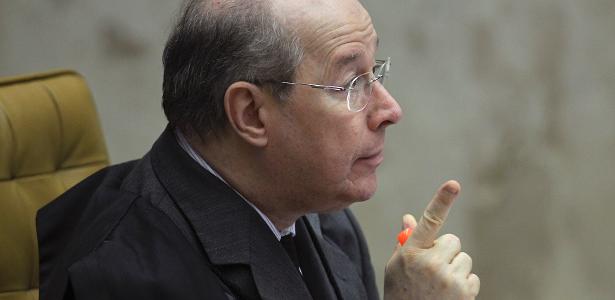
Celso de Mello’s manifesto highlights a dual danger facing modern judiciaries. First, casting blanket suspicions over an entire supreme court undermines public trust in the rule of law. Second, using institutional prestige as a shield for individual protection destroys public faith in judicial neutrality. The former minister asserted that silence or corporate stonewalling only deepens the crisis it attempts to conceal.

Safeguarding the judiciary requires adherence to due process, the presumption of innocence, and an uncompromising refusal to conflate personal defense with the preservation of the republic. As the Supreme Federal Court convenes to decide the trajectory of the inquiries, the overarching message from veteran jurists remains clear: the institution belongs to the nation, and no member sits above the fundamental duty of public accountability.